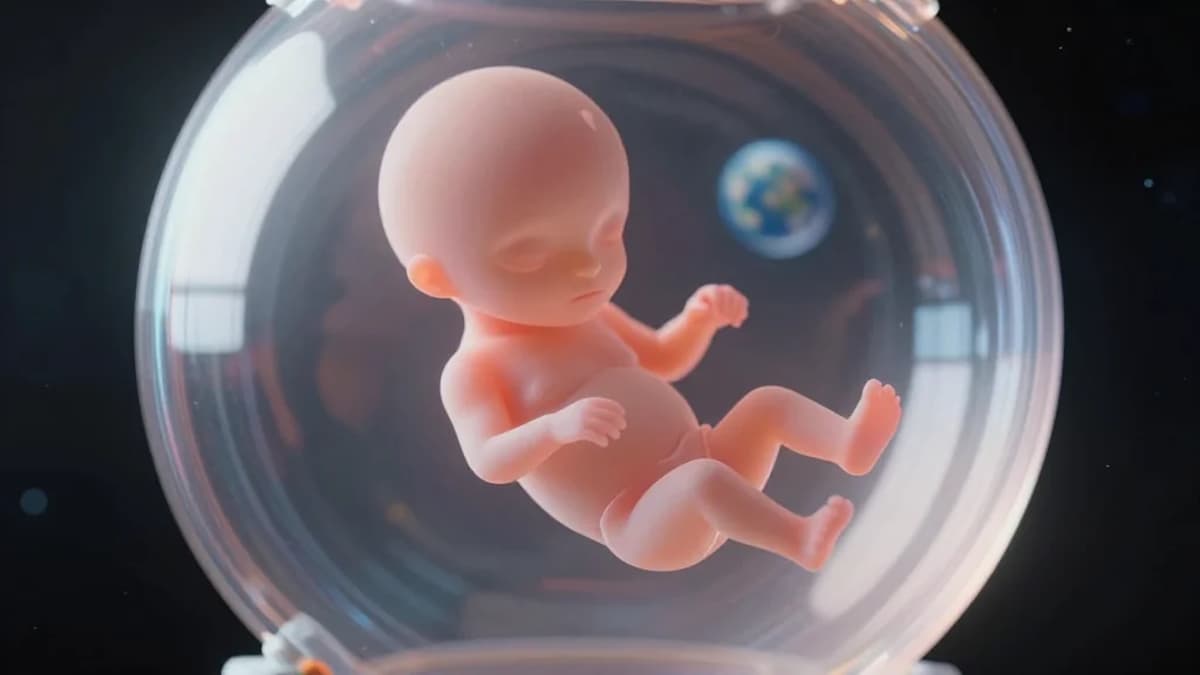
Reproduction in Space, an Environment Hostile to Human Biology
•February 4, 2026
0
Companies Mentioned

International IVF Initiative Inc
Why It Matters
Without clear guidelines, the growing commercial space sector risks compromising astronaut fertility and exposing crews to unmitigated health hazards, while also leaving ethical and liability questions unresolved.
Key Takeaways
- •Space radiation threatens both male and female fertility
- •No industry standards for reproductive health in space
- •Assisted reproductive tech could operate on long-duration missions
- •Ethical and policy gaps risk unregulated space pregnancies
- •Longer missions lack data on human reproductive outcomes
Pulse Analysis
The rapid commercialization of low‑Earth orbit habitats and plans for lunar bases are shifting space from a short‑term research platform to a permanent workplace. As crews spend months, even years, away from Earth, the physiological stresses of microgravity, altered circadian rhythms, and chronic exposure to cosmic radiation become critical variables for reproductive health. While early shuttle data suggest comparable pregnancy outcomes for female astronauts, those missions were brief; the lack of longitudinal studies on gametogenesis under space conditions leaves a dangerous knowledge gap that could affect both male and female fertility.
Radiation poses the most immediate threat, disrupting menstrual cycles in animal models and raising cancer risks, yet its cumulative impact on sperm quality remains largely unquantified. Microgravity alters fluid distribution and cellular signaling, potentially impairing embryo implantation and early development. Combined with limited medical infrastructure, these factors demand robust diagnostic and preventive protocols. Researchers are calling for systematic monitoring of hormonal markers, sperm parameters, and DNA integrity during and after missions, data that could inform countermeasures such as shielding enhancements or pharmacologic protectants.
Concurrently, advances in assisted reproductive technologies—automated IVF, cryopreservation, and portable embryo culture—offer a pathway to sustain human presence beyond Earth while mitigating reproductive risks. However, deploying these tools raises profound bioethical questions about consent, genetic screening, and liability for offspring conceived off‑planet. International bodies and commercial operators must collaborate now to draft enforceable standards, ensuring that reproductive health is integrated into mission planning rather than treated as a speculative afterthought. Proactive governance will protect astronaut welfare, preserve mission integrity, and set a responsible precedent for humanity’s next evolutionary step.
Reproduction in space, an environment hostile to human biology
0
Comments
Want to join the conversation?
Loading comments...