Rocket Engine Startup Impulse Raises $500 Million to Hire People, Not AI
Why It Matters
The infusion of half‑billion dollars positions Impulse Space to scale production for defense‑grade spacecraft, tightening competition in the burgeoning in‑space logistics market. It also highlights the talent‑driven nature of aerospace innovation, where AI has yet to replace hands‑on engineering.
Key Takeaways
- •Impulse Space secured $500 million Series D funding.
- •Funding targets hiring up to 200 engineers and staff.
- •New capital supports development of Mira and Helios vehicles.
- •CEO emphasizes limited role of AI in hardware design now.
- •Expansion includes Colorado office to tap broader aerospace talent.
Pulse Analysis
The $500 million Series D that Impulse Space closed reflects a broader surge of private capital into space and defense technologies. With the U.S. government allocating unprecedented budgets to national security and the upcoming SpaceX IPO generating market excitement, investors are eager to back firms that can deliver rapid, maneuverable spacecraft for the Space Force. Impulse’s backers, including 137 Ventures, BANNER VC, and Founders Fund, view the company’s in‑space mobility focus as a strategic differentiator that could unlock new revenue streams from satellite deployment and orbital servicing.
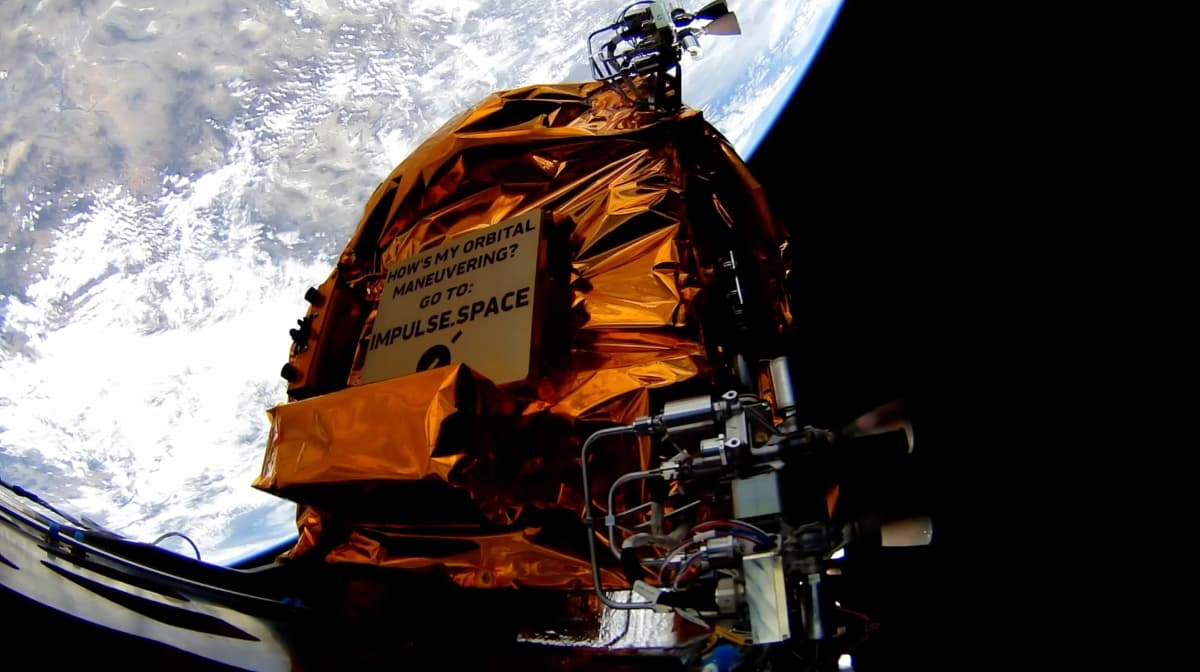
Impulse’s product roadmap centers on Mira, a highly agile platform designed for short‑duration missions, and Helios, a high‑orbit delivery vehicle. Both aim to address the growing demand for flexible, on‑demand satellite placement, a niche traditionally served by large, costly launch providers. By offering reusable, maneuverable craft, Impulse could reduce launch costs and increase responsiveness for defense customers. However, recent flight anomalies, such as Mira’s navigation‑induced propellant loss, underscore the technical challenges of perfecting autonomous guidance and propulsion in the harsh space environment.
The company’s decision to allocate the bulk of its new funds to hiring—targeting up to 200 engineers across Colorado, Texas, and other hubs—signals a recognition that human expertise remains critical in aerospace hardware development. While software teams experiment with AI coding assistants, Romo notes that deep‑learning models lack the specialized data needed for tasks like turbo‑pump seal design. This talent‑first approach not only mitigates current AI limitations but also positions Impulse to attract top engineers seeking alternatives to legacy aerospace giants, potentially reshaping the industry’s talent landscape.
Rocket engine startup Impulse raises $500 million to hire people, not AI
Comments
Want to join the conversation?
Loading comments...