Companies Mentioned

NASA

SpaceX
Why It Matters
Roman’s on‑time, on‑budget launch demonstrates NASA’s renewed ability to deliver flagship missions efficiently, restoring confidence after past delays. Its early data will reshape cosmology and exoplanet research, influencing the broader astrophysics market.
Key Takeaways
- •Launch slated for September 28 on Falcon Heavy
- •Mission stays under $4.3 billion budget
- •Ahead of original May 2027 commitment date
- •Final testing begins February, shipping June
- •NASA cites Roman as flagship schedule success
Pulse Analysis
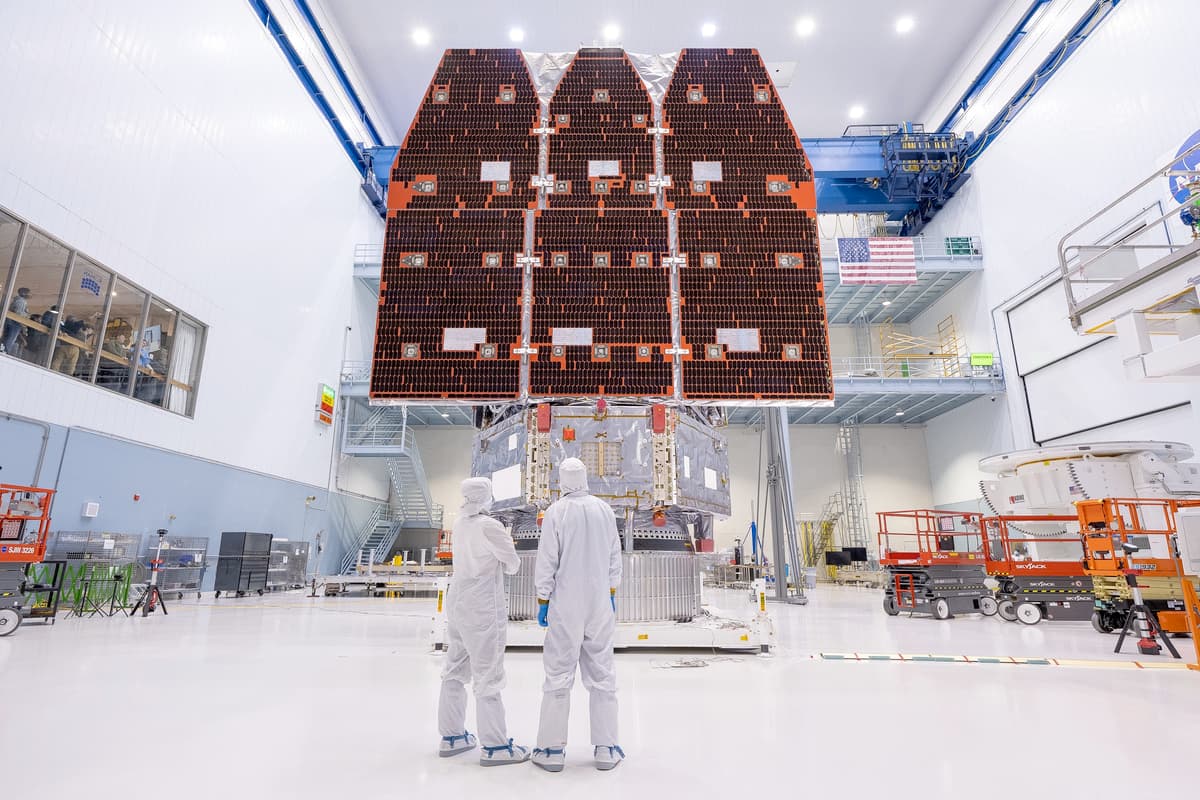
The Nancy Grace Roman Space Telescope represents a pivotal shift in NASA’s flagship strategy, showcasing that large‑scale science missions can adhere to both schedule and budget constraints. By leveraging lessons learned from the James Webb program—particularly in risk management and integrated testing—Roman has avoided the cost overruns and delays that once plagued flagship projects. This disciplined approach not only preserves taxpayer confidence but also frees resources for future missions, reinforcing the agency’s competitive edge in deep‑space exploration.
Roman’s scientific payload, featuring a wide‑field infrared survey instrument, will generate petabytes of data, enabling unprecedented studies of dark energy, exoplanet demographics, and the early universe. The telescope’s rapid commissioning timeline—approximately 90 days post‑launch—means the research community will access high‑resolution, large‑area sky maps sooner than anticipated. This data influx is expected to drive new collaborations, stimulate advanced analytics, and accelerate discoveries that could redefine cosmological models and planetary formation theories.
Beyond its immediate scientific returns, Roman’s successful timeline sends a strong market signal to commercial launch providers and aerospace partners. The partnership with SpaceX’s Falcon Heavy underscores the growing reliance on private launch capabilities for government missions, fostering a more resilient and cost‑effective launch ecosystem. As NASA continues to prioritize on‑time delivery, Roman sets a benchmark for future flagships, influencing budgeting practices, stakeholder expectations, and the overall trajectory of U.S. space leadership.
Roman Space Telescope on track for September launch
0
Comments
Want to join the conversation?
Loading comments...