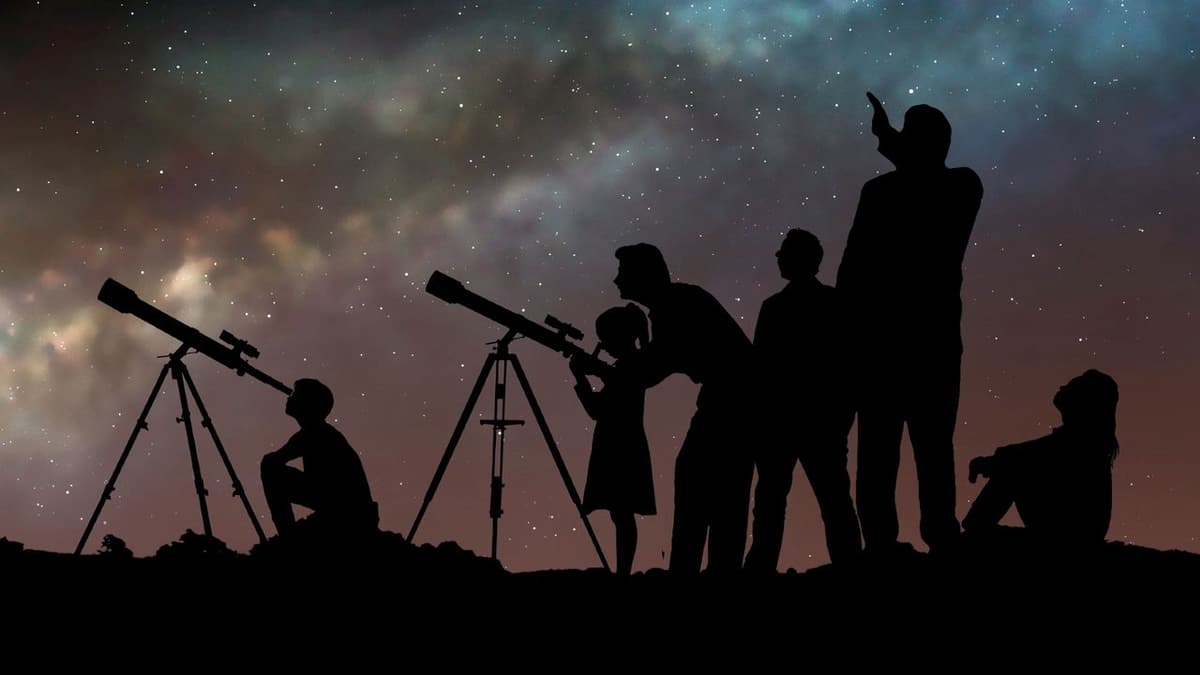
Rural Areas Have Darker Skies but Fewer Resources for Students Interested in Astronomy – Telescopes in Schools Can Help
•January 25, 2026
0
Companies Mentioned


Why It Matters
Providing telescopes and lesson plans directly addresses the resource disparity that hampers rural STEM engagement, fostering a pipeline of future scientists from under‑served areas.
Key Takeaways
- •Rural schools receive free telescopes via Smithsonian STARS program.
- •Dark skies boost student wonder, but resources remain limited.
- •Rural districts spend $500 less per student than urban peers.
- •Hands‑on astronomy improves STEM identity and learning outcomes.
- •National events like Globe at Night complement school programs.
Pulse Analysis
Across the United States, light‑polluted urban centers obscure the Milky Way for the majority of residents, while rural locales retain pristine, star‑filled horizons. This natural advantage translates into heightened curiosity among students who can actually see constellations, nebulae, and planetary details without the glare of city lights. However, the same regions often grapple with limited broadband, lower per‑pupil funding, and scarce access to museums or field trips, creating a paradox where the environment is ideal but the educational infrastructure is not.
The Smithsonian’s Scientists Taking Astronomy to Rural Schools (STARS) program tackles that paradox by shipping telescopes and ready‑made lesson plans to classrooms at no cost. The kits enable teachers to guide students through real‑world observations of the Moon’s craters, Saturn’s rings, and distant galaxies, turning abstract textbook concepts into tangible experiences. Early evaluations show that such hands‑on activities improve content retention and strengthen students’ identification with STEM careers, especially when paired with a national community of practice that supports teachers through shared resources and mentorship.
Beyond individual classrooms, the program signals a shift toward equitable STEM outreach. By leveraging the inherent dark‑sky advantage of rural districts, STARS helps close the funding gap that leaves these schools $500 per student behind their urban peers. Coupled with nationwide events like Globe at Night and local astronomy clubs, the initiative creates a layered ecosystem of engagement. As more rural students experience authentic astronomy, the pipeline to future scientists, engineers, and data analysts widens, promising a more diverse and resilient workforce for the nation’s scientific enterprise.
Rural areas have darker skies but fewer resources for students interested in astronomy – telescopes in schools can help
0
Comments
Want to join the conversation?
Loading comments...