Russia Appears Set to Finally Address Long-Term, Serious Space Station Cracks
Companies Mentioned
Why It Matters
Decommissioning the PrK module eliminates a critical safety hazard and forces a new logistics workflow, testing U.S.–Russia cooperation on the ISS. It also underscores the need for long‑term structural upgrades or commercial alternatives as the station ages.
Key Takeaways
- •PrK tunnel leaks rose to roughly 16 cracks since 2019
- •NASA used Crew Dragon as a safe‑haven during repair dispute
- •Roscosmos will stop pressurizing and using the PrK module
- •ISS cargo transfers must shift to alternate docking ports
Pulse Analysis
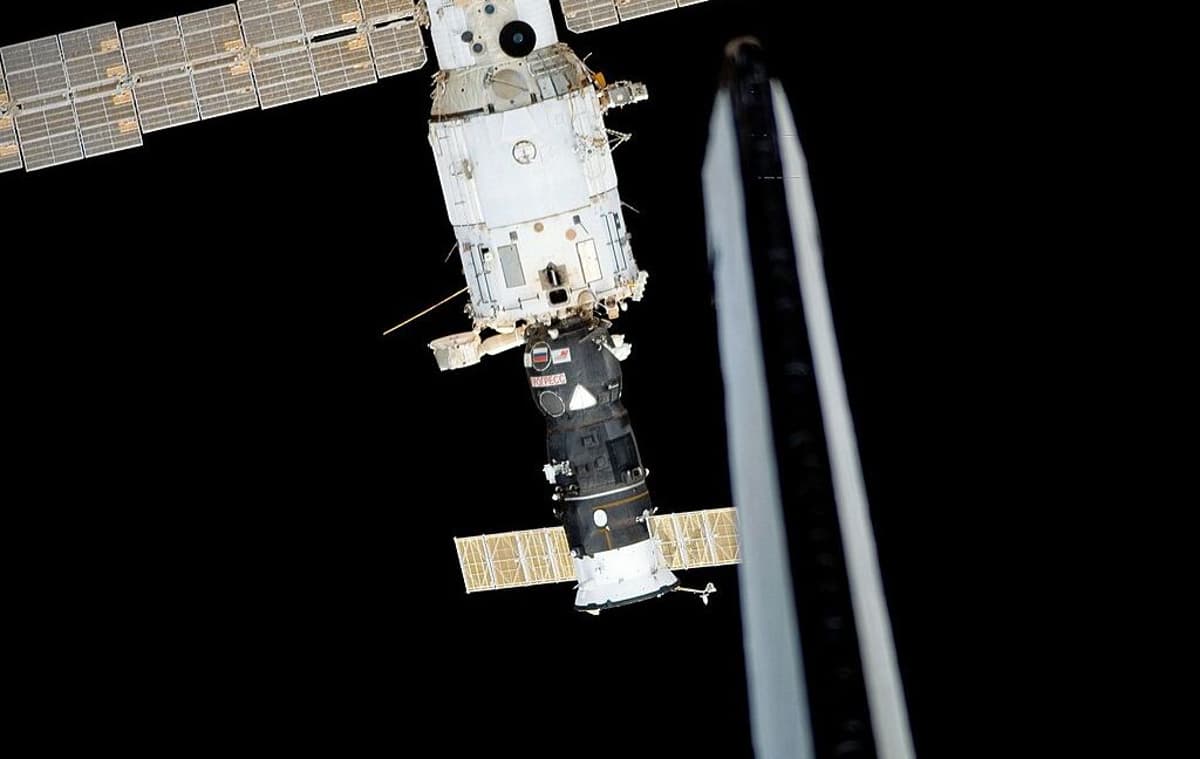
The International Space Station’s structural health has become a headline issue as the Russian‑built PrK module, a narrow transfer tunnel linking Zvezda to a cargo docking port, shows progressive corrosion. Since its first crack in 2019, the module has required ad‑hoc sealants and periodic inspections, yet leak rates have surged, prompting concerns that a sudden depressurization could jeopardize crew safety and mission continuity. This backdrop highlights the broader challenge of maintaining a multi‑decade orbital laboratory originally designed for a 15‑year lifespan.
In early June, the situation escalated when Roscosmos announced a plan to drill and saw away a load‑bearing bracket to stop new leaks. NASA, lacking detailed technical data and fearing an uncontrolled failure, ordered the Crew‑12 crew into SpaceX’s Crew Dragon Freedom as a precautionary safe haven. The move signaled a rare public standoff between the two space powers and forced Roscosmos to pause its repair strategy. Subsequent negotiations led to the decision to decommission the PrK module rather than risk a structural failure.
The decommissioning marks a pivotal shift in ISS operations. While Progress cargo ships can still dock at the port, crew will no longer pressurize the tunnel, requiring re‑routing of supplies through other Russian or commercial docking ports. This change reduces immediate safety risks but adds logistical complexity, prompting NASA to explore longer‑term solutions such as module replacement or commercial habitat extensions. The episode also serves as a cautionary tale about aging infrastructure in low‑Earth orbit and the importance of transparent, joint engineering assessments for future international missions.
Russia appears set to finally address long-term, serious space station cracks
Comments
Want to join the conversation?
Loading comments...