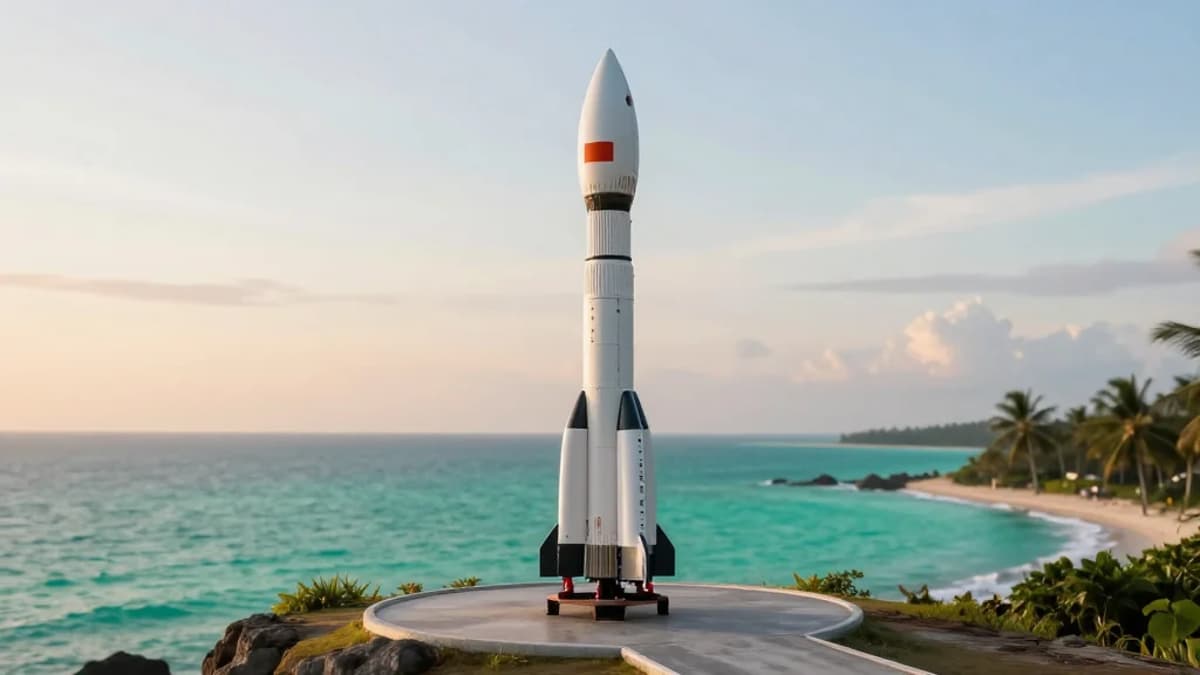
Russia in Discussions with Malaysian Province About Potential Spaceport
•January 31, 2026
0


Why It Matters
The partnership could reshape Southeast Asia’s launch landscape, boosting local economies and deepening Russia’s foothold in a market traditionally dominated by the United States and China.
Key Takeaways
- •Russia eyes Sabah for Southeast Asian launches
- •Potential 2,000 high‑income jobs from spaceport
- •Malaysia also courting China, Ukraine for space projects
- •Western partnerships remain limited in Malaysian space ambitions
- •Strategic location offers low‑earth and sun‑synchronous orbits
Pulse Analysis
Russia’s Glavcosmos is positioning Sabah as the premier launch site in Southeast Asia, leveraging the state’s coastal geography and clear drop zones for rocket stages. The technical assessment highlights the region’s suitability for both low‑earth and sun‑synchronous orbits, which are critical for Earth observation and communications satellites. By promising more than 2,000 high‑skill jobs, the project aligns with Malaysia’s broader economic diversification goals, offering a catalyst for ancillary industries such as aerospace manufacturing, logistics, and high‑tech services.
The negotiations also underscore a nuanced geopolitical dance. Sabah’s earlier discussions with Ukraine fell through, and the state’s current openness to Russian involvement suggests a strategic pivot away from Western aerospace partners. Meanwhile, the neighboring state of Pahang is courting China for its own spaceport, illustrating Malaysia’s willingness to balance relationships among major space powers. This approach reflects a broader trend in the region where emerging economies seek technology transfers and investment without the political strings often attached to Western collaborations.
If realized, the Sabah spaceport could accelerate Southeast Asia’s entry into the competitive commercial launch market, challenging the dominance of established sites in French Guiana, New Zealand, and India. However, the venture faces hurdles, including regulatory approvals, environmental concerns, and the need for robust supply chains. Successful execution would not only boost Malaysia’s GDP but also position it as a critical node in the global satellite ecosystem, attracting further international interest and fostering a new era of regional space innovation.
Russia in discussions with Malaysian province about potential spaceport
0
Comments
Want to join the conversation?
Loading comments...