Safety Panel Says NASA Should Have Taken Starliner Incident More Seriously
•December 22, 2025
0


Why It Matters
Prompt mishap declarations tighten safety oversight, protect crew, and preserve confidence in commercial crew programs.
Key Takeaways
- •Starliner thrusters overheated, causing loss of control
- •NASA did not declare a high‑visibility close call
- •Panel urges unambiguous mishap declaration criteria
- •Crew returned on SpaceX Dragon after nine‑month stay
- •Future Starliner missions limited to cargo only
Pulse Analysis
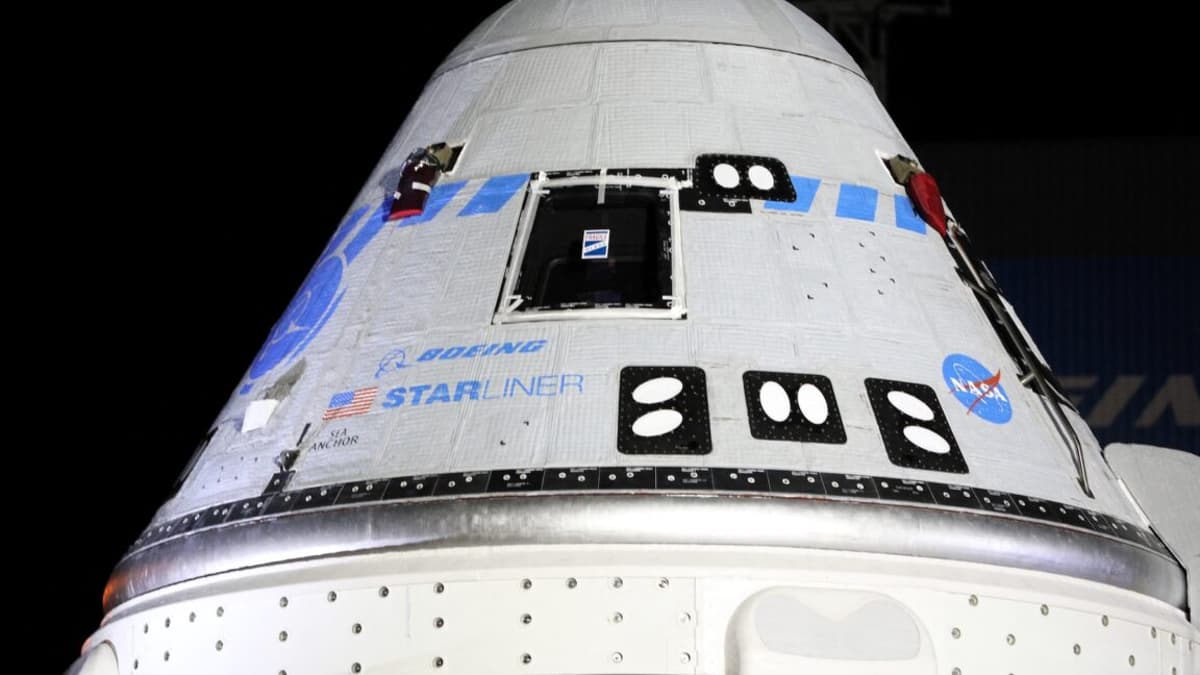
Boeing’s CST‑100 Starliner finally carried astronauts Butch Wilmore and Suni Williams to the International Space Station in June 2024, ending a decade‑long development saga marked by aborted test flights and budget overruns. The 27‑hour ascent was plagued by overheating thrusters and persistent helium leaks, at one point stripping the commander of precise attitude control during the docking approach. Engineers managed to recover enough thrust to complete the rendezvous, but the anomalies forced the crew to remain aboard the ISS for nine months until a safe return vehicle could be secured.
NASA’s Aerospace Safety Advisory Panel (ASAP) concluded that the agency’s failure to formally label the event a “high‑visibility close call” or in‑flight mishap created a gray zone for risk ownership and decision‑making authority. Without an official declaration, the internal investigation process was delayed, and conflicting messages from NASA and Boeing management sowed uncertainty across the workforce. The panel recommends revising procedural language to require immediate, unambiguous declarations for any incident that threatens crew or hardware, thereby triggering independent investigations and clearer accountability.
The panel’s recommendations arrive as NASA prepares the next Starliner flight, now limited to cargo, while commercial crew partners such as SpaceX continue to dominate crewed launches. Strengthening mishap‑declaration protocols could restore confidence in Boeing’s crewed capsule and set a higher safety benchmark for the emerging commercial space sector. Industry observers expect that clearer guidelines will not only protect astronauts but also reduce program delays and cost overruns, reinforcing NASA’s role as a safety overseer in an increasingly privatized low‑Earth‑orbit market.
Safety panel says NASA should have taken Starliner incident more seriously
0
Comments
Want to join the conversation?
Loading comments...