SatVu Raises £30M to Accelerate Its Constellation
Companies Mentioned

Why It Matters
The capital infusion enables SatVu to quickly rebuild and expand its satellite fleet, positioning it to capture growing market demand for thermal imagery and secure a strategic foothold in defense and climate monitoring sectors.
Key Takeaways
- •SatVu secured £30M equity funding to expand HotSat constellation.
- •Total equity financing now reaches £60M across multiple investors.
- •HotSat-2 slated for SpaceX Transporter-16 launch by March 2026.
- •Thermal imaging demand rising in defense, economics, climate sectors.
- •New capital funds long-lead components, aiming for cash break-even.
Pulse Analysis
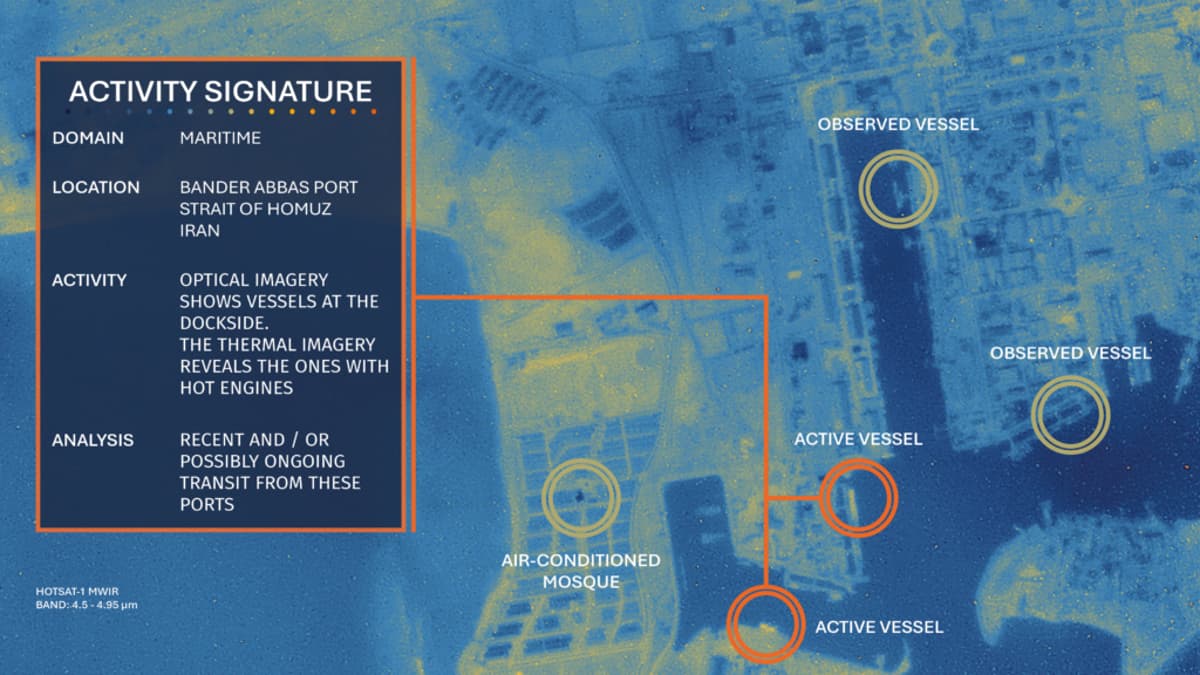
Thermal‑infrared satellite imaging is emerging as a critical data source for governments and enterprises seeking real‑time insight into ground‑level activity. Unlike traditional optical or radar sensors, high‑resolution thermal payloads can detect heat signatures through clouds and at night, making them invaluable for border surveillance, infrastructure monitoring, and climate change assessments. SatVu’s HotSat platform, with a 3.5‑metre ground‑sample distance, fills a niche where customers first flag anomalies using optical or SAR data and then task a thermal sensor for detailed follow‑up, a workflow known as "tip‑and‑cue" that is gaining traction across multiple verticals.
The £30 million raise reflects a broader confidence in space‑based thermal services, highlighted by participation from the NATO Innovation Fund and the British Business Bank. These public‑sector investors signal strategic interest in ensuring allied capabilities have reliable, high‑resolution heat‑mapping assets. Existing backers such as Lockheed Martin and Molten Ventures also underscore the commercial viability of SatVu’s technology. The capital will be allocated to long‑lead component procurement, satellite integration, and the scheduled 2026 launches, reducing reliance on future financing rounds and accelerating revenue generation.
Looking ahead, SatVu’s ability to achieve cash‑break‑even with just two or three satellites could reshape the economics of niche Earth‑observation constellations. By leveraging a lean cost structure and targeting premium customers in defense, economic intelligence, and climate monitoring, the company is poised to capture a growing share of a market projected to exceed $5 billion by 2030. Successful deployment of HotSat‑2 and HotSat‑3 will not only validate the technology after HotSat‑1’s failure but also cement SatVu’s position as a go‑to provider for high‑resolution thermal data, potentially prompting further strategic partnerships and follow‑on funding.
SatVu Raises £30M to Accelerate its Constellation


Comments
Want to join the conversation?
Loading comments...