Scaling Its Orbital Data Centre: SpaceX’s Lunar Manufacturing and Mass Driver Plan
Companies Mentioned
Why It Matters
By moving heavy manufacturing off Earth, SpaceX could slash launch costs and enable a terawatt‑scale space‑based computing platform, reshaping AI services and data processing markets.
Key Takeaways
- •AI-1 satellites deliver 120 kW compute, 1 Tbps link, 3 ms latency
- •Moon manufacturing will produce solar arrays and radiators, reducing launch mass
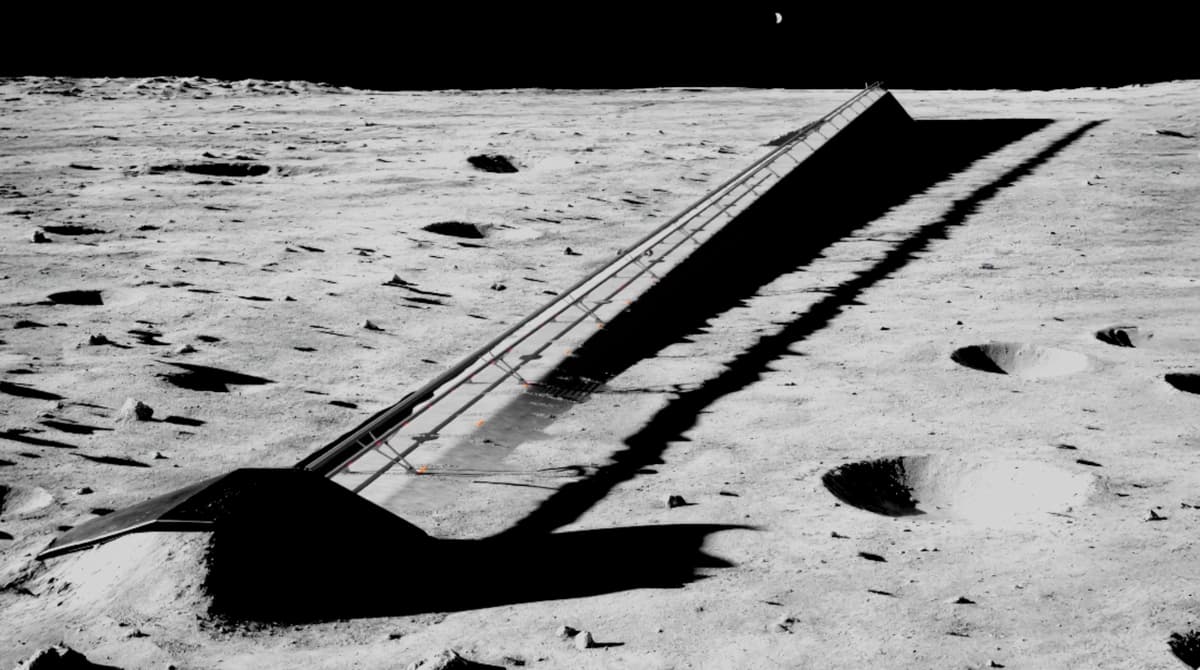
- •Lunar mass driver will accelerate satellites without chemical rockets
- •SpaceX targets 1 GW orbital compute by end of next year
- •Tenfold annual scaling aims for terawatt-level space computing
Pulse Analysis
SpaceX’s upcoming IPO has put a spotlight on how the company plans to sustain a multi‑billion‑dollar valuation. Beyond selling launch services, Elon Musk’s team is betting on an off‑world supply chain that moves the heaviest satellite components from Earth to the Moon. By exploiting the Moon’s one‑sixth gravity and lack of atmosphere, SpaceX can fabricate large solar panels and radiators on‑site, sidestepping the prohibitive cost of lifting millions of tonnes through Earth’s deep gravity well. This lunar‑first approach is intended to unlock a new scale of orbital infrastructure that traditional rockets cannot economically achieve.
The first hardware in this ecosystem is the AI‑1 computing satellite, a 600‑800 km LEO platform that packs 120 kilowatts of continuous processing power and a one‑terabit laser‑link, delivering roughly three‑millisecond round‑trip latency. Its design replaces complex phased‑array antennas with a 70‑metre wing of solar cells and double‑sided radiators, simplifying structure while maximizing power generation. Such performance makes the node suitable for AI inference, real‑time analytics, and high‑frequency trading applications that demand ultra‑low latency, positioning the constellation as a space‑based extension of terrestrial data centres.
If SpaceX can deliver the promised one‑gigawatt orbital compute capacity by late 2027 and then grow it tenfold each year, the company would create a terawatt‑scale computing platform that could serve everything from climate‑model simulations to autonomous vehicle fleets. The lunar mass driver—an electromagnetic railgun‑like launcher—offers a propellant‑free method to fling satellites into deep space, potentially reducing launch costs by orders of magnitude. However, success hinges on mastering regolith extraction, precision manufacturing in a vacuum, and reliable mass‑driver operations, challenges that could reshape the commercial space manufacturing landscape.
Scaling its orbital data centre: SpaceX’s lunar manufacturing and mass driver plan
Comments
Want to join the conversation?
Loading comments...