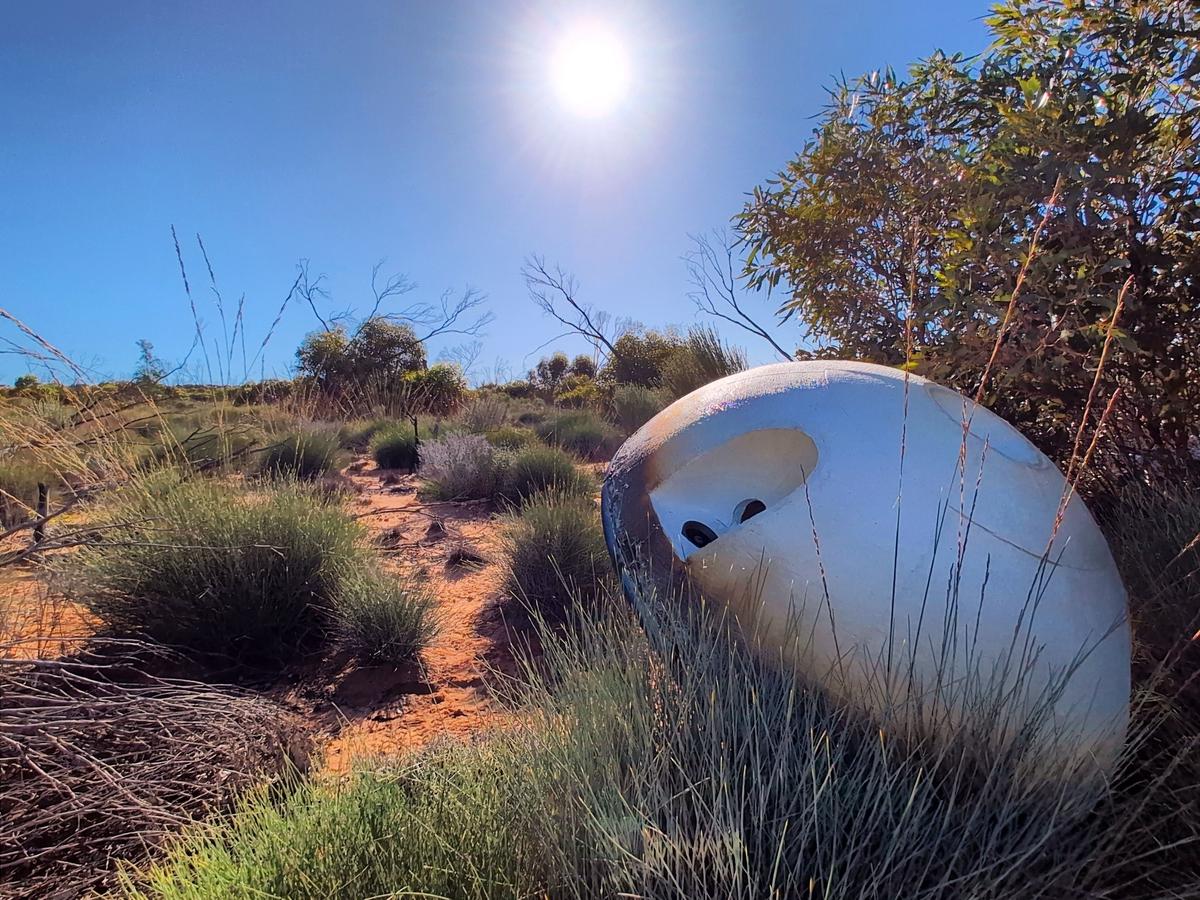
Sixth Varda Mission Successfully Returns
Companies Mentioned
Why It Matters
The mission proves commercial spacecraft can deliver rapid, affordable hypersonic test data, accelerating defense development, while the pharma partnership could open a new market for space‑manufactured drugs.
Key Takeaways
- •W‑6 mission demonstrated autonomous star‑based navigation during reentry.
- •Temperature sensors gathered data to validate hypersonic heat‑shield models.
- •NASA tiles tested new production techniques on Varda’s capsule.
- •United Therapeutics partnership aims for first microgravity drug flight in 2027.
- •Varda’s “delta‑v arbitrage” offers low‑cost launch for defense and pharma.
Pulse Analysis
Varda’s sixth re‑entry, dubbed W‑6, underscores how commercial launch providers are reshaping hypersonic testing. By leveraging a SpaceX Falcon 9 rideshare, Varda delivered a capsule that autonomously navigated using star‑tracking and collected high‑fidelity temperature data during atmospheric entry. The Air Force Research Laboratory’s Prometheus funding highlights a growing reliance on low‑cost, repeatable platforms to accelerate weapons‑grade hypersonic research, cutting development cycles that traditionally required dedicated missile tests.
Beyond defense, Varda is positioning its reusable spacecraft as a dual‑use asset for pharmaceutical R&D. The newly announced collaboration with United Therapeutics aims to test drug formulation in microgravity, with a target flight in 2027 and potential commercial drug launches between 2030 and 2035. This strategy reflects a broader industry trend of treating space as a manufacturing environment, where microgravity can improve protein crystallization and novel compound stability. Varda’s “delta‑v arbitrage” model—buying cheap velocity from Falcon 9 and selling it to customers accustomed to bespoke launches—creates a cost‑effective bridge between space logistics and biotech innovation.
If Varda’s pharma ambitions succeed, it could catalyze a nascent market worth billions, prompting other space‑flight companies to diversify beyond satellite deployment. However, challenges remain, including regulatory pathways for space‑derived drugs and scaling microgravity production to commercial volumes. Varda’s ability to demonstrate reliable, frequent returns while meeting stringent defense and scientific requirements will be a key indicator of whether the space‑manufacturing ecosystem can transition from experimental to mainstream. The next few years will reveal if the company can truly “revolutionize” pharma or settle as a niche hypersonics service provider.
Sixth Varda mission successfully returns
Comments
Want to join the conversation?
Loading comments...