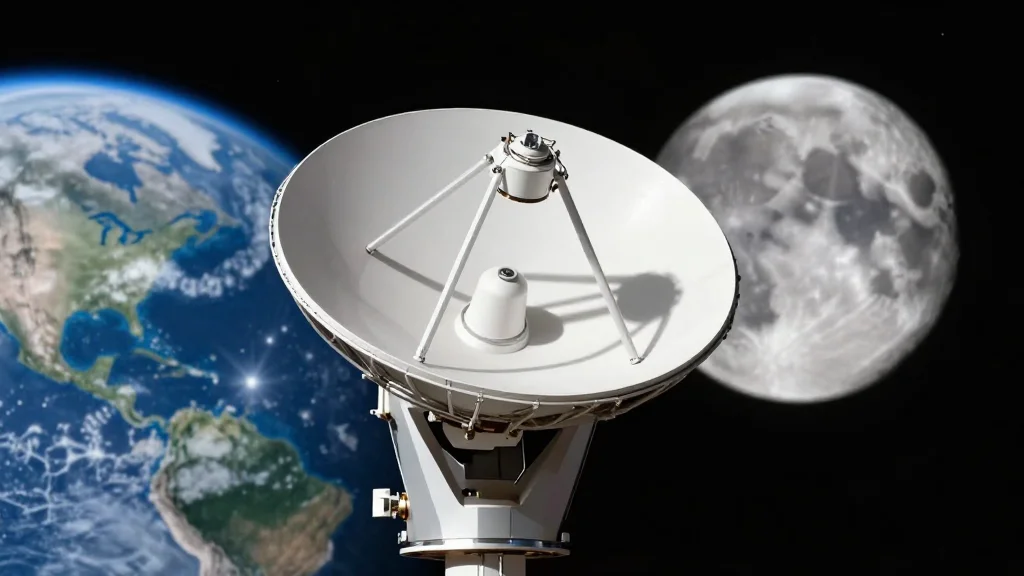
South Korea Gears Up for Lunar‑Orbit Communications with New Industry Meeting

Companies Mentioned


Why It Matters
Developing Earth‑Moon communication and navigation infrastructure is a prerequisite for any sustained lunar presence, whether scientific, commercial, or geopolitical. By coordinating domestic firms now, South Korea can reduce its dependence on foreign technology, capture a share of the emerging lunar services market, and strengthen its bargaining position in international lunar partnerships such as Artemis Accords. The initiative also signals a broader shift in the SpaceTech ecosystem, where national agencies are moving from pure launch services to end‑to‑end mission support, including data relay and navigation. Success could inspire similar coordinated efforts in other emerging space nations, accelerating the overall maturation of a global lunar communications network.
Key Takeaways
- •May 20: KAA held a lunar‑orbit communication satellite industry meeting at its Sacheon headquarters.
- •Seven domestic satellite and communications companies participated, all with optical‑communication or lunar‑exploration tech.
- •KAA aims to develop Earth‑Moon communication and navigation capabilities as core infrastructure for sustainable lunar exploration.
- •The agency will create support measures, funding pathways, and test‑bed access to accelerate technology readiness.
- •Next milestone: firms to submit detailed project proposals by end‑June 2026 for potential inclusion in the 2026 fiscal budget.
Pulse Analysis
South Korea’s coordinated push into lunar‑orbit communications reflects a strategic pivot from traditional launch‑service models toward a full‑stack space services approach. Historically, the nation has excelled in satellite manufacturing and launch vehicle development, but it has lagged in providing the ancillary services that will become the lifeblood of lunar operations. By convening industry stakeholders early, KAA is attempting to close that gap before the market consolidates around a few dominant providers.
The timing is critical. NASA’s Artemis program is slated to deliver the first crewed lunar outpost by the mid‑2020s, and China’s lunar research station is expected to follow shortly thereafter. Both programs will require a robust communications relay architecture, especially for far‑side operations where direct Earth contact is impossible. Korean firms that can demonstrate reliable, high‑throughput optical links could secure contracts not only with domestic agencies but also with international partners seeking redundancy and diversity in their communication pathways.
However, the initiative faces challenges. Funding allocation in the 2026 budget will compete with other national priorities, and the technology readiness of optical‑communication payloads still lags behind RF‑based systems in terms of space‑qualification. Moreover, the global market is crowded with established players like Lockheed Martin, Airbus, and emerging private firms such as SpaceX’s Starlink‑derived lunar relay concepts. Korea’s success will hinge on its ability to deliver cost‑effective, high‑performance solutions that can integrate seamlessly with multinational lunar infrastructure standards. If KAA can navigate these hurdles, the country could emerge as a pivotal node in the lunar communications web, reshaping the competitive dynamics of SpaceTech for the next decade.
South Korea Gears Up for Lunar‑Orbit Communications with New Industry Meeting
Comments
Want to join the conversation?
Loading comments...