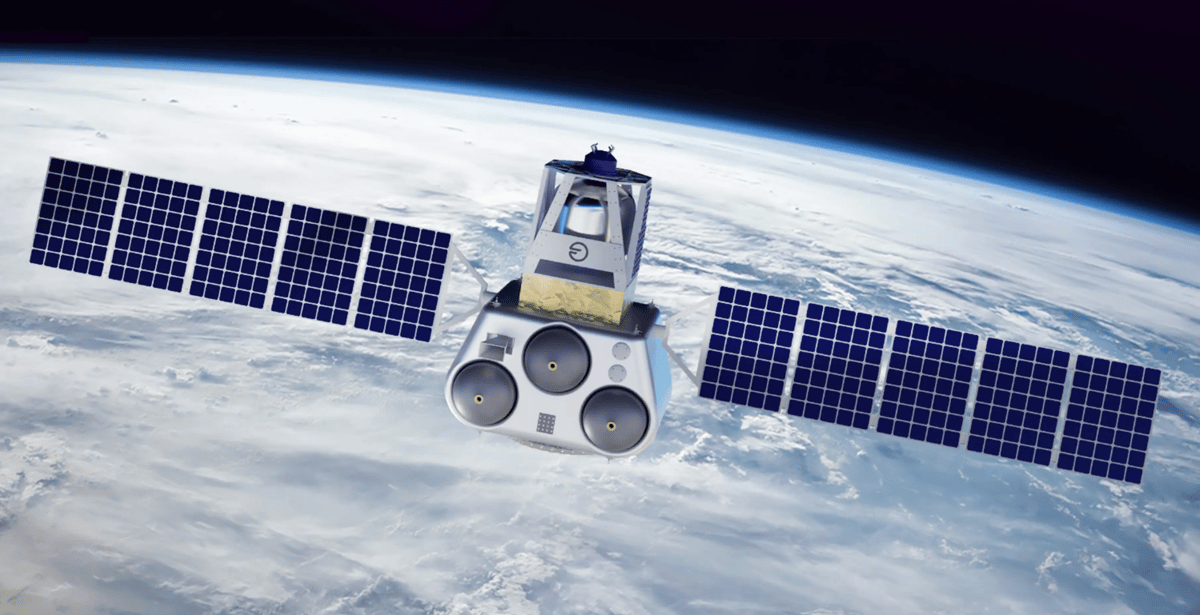
Space Force Eyes 2027 Demonstrations of In-Space Refueling and Satellite Servicing
Why It Matters
Successful in‑space refueling and docking could extend satellite lifespans, reduce launch costs, and give the U.S. a strategic edge in orbital maneuver warfare. The demonstrations also test whether a commercial market for orbital logistics can emerge, shaping future procurement and industry investment.
Key Takeaways
- •Space Force will launch two 2027 demos: refueling and docking
- •Astroscale’s 300‑kg Provisioner will refuel two Tetra‑5 satellites
- •Starfish Space’s Otter will dock with an unprepared satellite for “augmented maneuver.”
- •Contracts total over $150 million, split between government and private capital
- •New $20 million SpaceWERX challenge aims to grow orbital logistics suppliers
Pulse Analysis
The Space Force’s push toward orbital logistics reflects a strategic shift from static satellite constellations to a more fluid, survivable space architecture. By treating satellites like aircraft—refuelable, repositionable, and repairable—the service aims to mitigate the growing threat of anti‑satellite weapons and debris. This mindset aligns with broader defense initiatives that prioritize resilience and rapid response in the increasingly contested geostationary belt.
The upcoming USSF‑23 demonstrations bring together a nascent ecosystem of private innovators. Astroscale’s Provisioner, a 300‑kg vehicle equipped with a refillable hydrazine tank, will conduct the first government‑funded in‑space refuel of two Tetra‑5 test satellites, while Orbit Fab’s depot supplies the fuel on a reusable platform. Simultaneously, Starfish Space’s Otter will autonomously dock with a non‑servicable satellite, proving the concept of “augmented maneuver” that could extend mission life without on‑board propulsion. Together, these trials test end‑to‑end logistics chains and provide data to assess commercial viability.
If the demos succeed, they could unlock a new market for satellite operators seeking life‑extension services, while giving the Department of Defense a ready‑made capability to reposition assets on demand. The $20 million SpaceWERX Orbital Logistics Challenge further widens the supplier base, encouraging small businesses to develop propellant, spare‑part, and repair solutions. As commercial players like Northrop Grumman’s MRV gear up for operational deployment, the Space Force’s experiments may set the standards for future contracts, shaping the economics and regulatory framework of orbital servicing for years to come.
Space Force eyes 2027 demonstrations of in-space refueling and satellite servicing
Comments
Want to join the conversation?
Loading comments...