Space Force Moves to Standardize Satellites with ‘Handle 2.0’ Contract
•January 7, 2026
0
Companies Mentioned


Why It Matters
Standardizing the bus‑payload connection accelerates fielding of responsive space capabilities, giving the U.S. military a faster, more flexible way to counter emerging orbital threats. The contract also signals growing commercial involvement in defense‑grade satellite engineering.
Key Takeaways
- •Handle 2.0 standardizes satellite bus‑payload connections
- •Contract worth $3.3 million awarded to Falcon ExoDynamics
- •Supports TacRS goal of rapid, responsive space missions
- •Victus Salo mission slated for late 2026 launch
- •Modular interface reduces redesign time, cuts months off cycles
Pulse Analysis
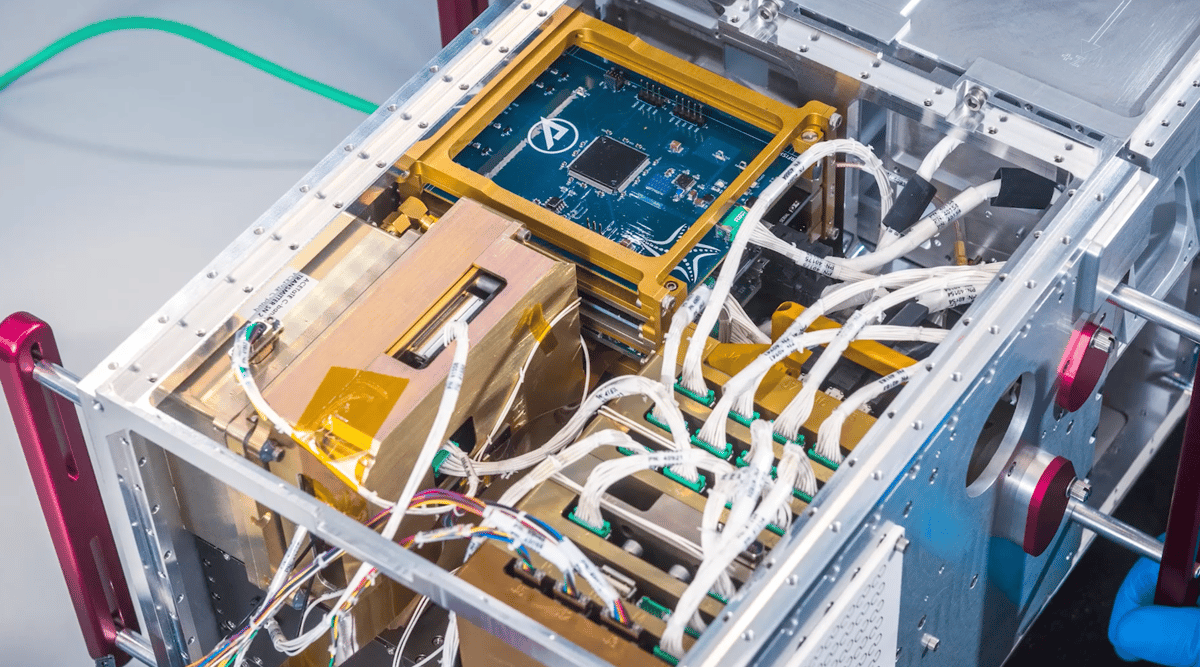
The push for a modular satellite interface reflects a broader shift in defense acquisition toward open‑system architectures. Handle, originally conceived by The Aerospace Corporation, proved its concept on the Slingshot 1 flight, demonstrating that a single power‑and‑data connector can accommodate diverse payloads. By moving the prototype into a commercial‑grade standard, the Space Force is leveraging private‑sector engineering efficiencies while retaining strict security controls, a model that could reshape how future military satellites are procured and upgraded.
At the heart of the Tactically Responsive Space (TacRS) program is the need to launch and operate spacecraft on demand. Traditional satellite programs can take years, leaving the force vulnerable to fast‑evolving counter‑space threats. Handle 2.0 promises to decouple the spacecraft bus from its mission payload, allowing pre‑built bus platforms to be stocked and quickly outfitted with sensors or weapons as situations arise. This modularity not only compresses development timelines but also reduces lifecycle costs by limiting custom redesigns for each new mission.
The upcoming Victus Salo demonstration will be the first operational test of Handle 2.0, integrating a MIT Lincoln Laboratory payload on an Impulse Space orbital maneuver vehicle launched via a SpaceX rideshare. Success will validate rapid‑deployment concepts and could spur broader adoption across allied space programs. As commercial launch services become more routine, a standardized interface like Handle 2.0 positions the U.S. to field adaptable, resilient space capabilities while fostering a competitive market for satellite components, ultimately strengthening national space security.
Space Force moves to standardize satellites with ‘Handle 2.0’ contract
0
Comments
Want to join the conversation?
Loading comments...