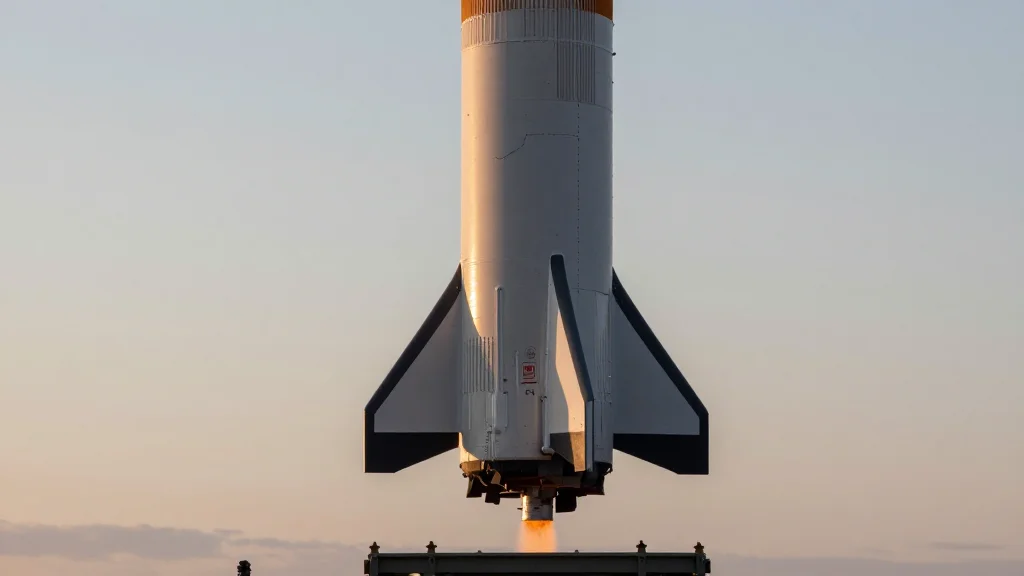
Space Pioneer’s Tianlong 3 Fails on Debut, Underscoring Risks for China’s New Launch Firms

Companies Mentioned
Why It Matters
The Tianlong 3 failure illustrates the volatility inherent in the nascent Chinese commercial launch market, where private firms are attempting to match the reusability milestones set by established players in the United States and Europe. A successful reusable launch vehicle could dramatically lower launch costs and open new opportunities for satellite constellations, but setbacks like this delay those economic benefits and may shift investor capital toward more proven state‑backed projects. Furthermore, the lack of advance safety notices signals a possible shift in how Chinese authorities manage launch communications, raising concerns for aviation safety and international observers. How regulators respond could set precedents for transparency and risk mitigation in future private launches across the region.
Key Takeaways
- •Space Pioneer’s Tianlong 3 failed to achieve orbit on its first flight in early April 2026.
- •The medium‑class rocket features a reusable first‑stage booster, but landing was postponed.
- •Chinese officials did not issue pre‑launch safety notices, an unusual move for the sector.
- •The failure occurs amid a surge of new reusable launch vehicles from both private and state‑run Chinese firms.
- •Space Pioneer has not announced a new launch date, leaving the timeline for recovery uncertain.
Pulse Analysis
China’s launch landscape is entering a phase where private firms are no longer peripheral but central to the country’s orbital ambitions. The Tianlong 3 setback is a reality check that even with government backing, the engineering challenges of reusability remain formidable. Historically, the United States saw a similar pattern with early SpaceX failures before achieving a breakthrough; however, the Chinese market differs in its regulatory environment and the presence of powerful state enterprises that can absorb setbacks more readily.
Investors will now weigh the risk of backing a firm that has yet to demonstrate an orbital insertion against the potential upside of a lower‑cost, reusable launch service. If Space Pioneer can quickly iterate and return to flight, it could carve out a niche for medium‑class payloads, especially for the burgeoning Chinese satellite constellation market. Conversely, prolonged delays may push customers toward the more mature Long March family or toward foreign launch providers, slowing the domestic commercial ecosystem’s growth.
Strategically, the incident may prompt Chinese regulators to formalize safety communication protocols for private launches, balancing the desire for rapid commercial development with the need for airspace safety. The next few months will be critical: a successful follow‑up flight could restore confidence and accelerate the competitive dynamics, while another failure could consolidate market share among the state‑run giants, reshaping the trajectory of China’s commercial space ambitions.
Space Pioneer’s Tianlong 3 fails on debut, underscoring risks for China’s new launch firms
Comments
Want to join the conversation?
Loading comments...