Space Station Startup Voyager Technologies Acquires Lunar Lander Startup Astrobotic
Companies Mentioned
Why It Matters
The acquisition consolidates critical lunar‑landing capabilities, giving NASA and commercial partners a more integrated supply chain for Artemis and future Moon base construction. It also signals growing private‑sector momentum toward sustainable lunar operations.
Key Takeaways
- •Voyager acquires Astrobotic to boost lunar lander capabilities
- •Acquisition aligns with NASA Artemis goal of Moon base by 2028
- •Griffin lander slated for Falcon Heavy launch before year‑end
- •Astrobotic’s LunaGrid will supply solar power for lunar habitats
- •Voyager adds dust‑repellent coating to support long‑duration surface ops
Pulse Analysis
Voyager Technologies has long positioned itself as a cornerstone of the emerging low‑Earth‑orbit infrastructure through its Starlab project. By acquiring Astrobotic, Voyager instantly expands its portfolio beyond orbital habitats into the full spectrum of lunar operations—mission planning, communications, propulsion, surface delivery, power generation, and in‑situ resource utilization. This vertical integration mirrors the aerospace industry’s shift toward end‑to‑end service models, where a single contractor can shepherd a payload from launch to a functional lunar outpost, reducing coordination friction and cost overruns.
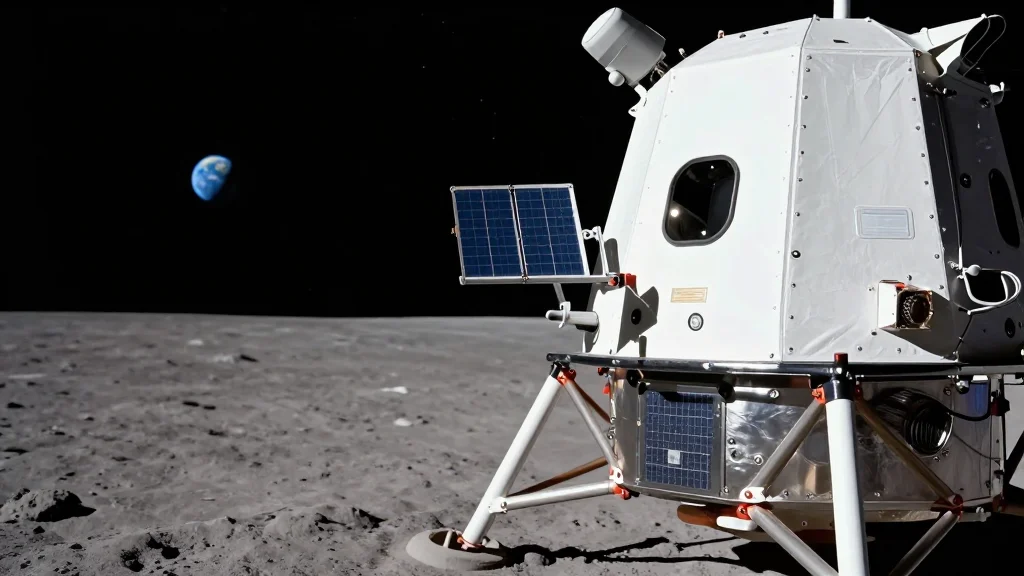
Astrobotic’s portfolio, highlighted by the Peregrine and Griffin landers, brings proven hardware and a growing suite of commercial services to the table. After a 2024 fuel‑leak incident that halted a Peregrine attempt, the company has rebounded, scheduling Griffin’s Falcon Heavy launch before the end of 2026. The lander will touch down near the Moon’s south pole, delivering four NASA experiments and the Astrolab Flip rover, while also testing the LunaGrid solar distribution system designed to power surface habitats. This mission directly supports Artemis’ goal of establishing a sustainable presence by 2028, offering a ready‑made delivery mechanism for scientific payloads and future habitation modules.
The broader lunar economy stands to benefit from this consolidation. Private investors are increasingly viewing the Moon as a viable market for energy, mining, and tourism, and a unified provider reduces entry barriers for downstream developers. Voyager’s dust‑repellent coating and Max Space’s expandable habitats further complement Astrobotic’s surface capabilities, creating a comprehensive toolkit for long‑duration stays. As competition intensifies among firms like Blue Origin, SpaceX, and emerging European players, this acquisition positions Voyager‑Astrobotic as a formidable contender capable of delivering the hardware and services essential for a permanent lunar foothold.
Space station startup Voyager Technologies acquires lunar lander startup Astrobotic
Comments
Want to join the conversation?
Loading comments...