Space Was ‘First Mover’ In Iran Conflict, Top General Says
•March 2, 2026
0
Why It Matters
The successful use of space‑based non‑kinetic effects proves orbital assets are critical force multipliers, reshaping how militaries plan and execute conflicts.
Key Takeaways
- •USSPACECOM employed non‑kinetic attacks on Iranian satellites
- •Cyber and space ops jointly crippled Iran’s communications
- •Early disruption gave US forces operational advantage
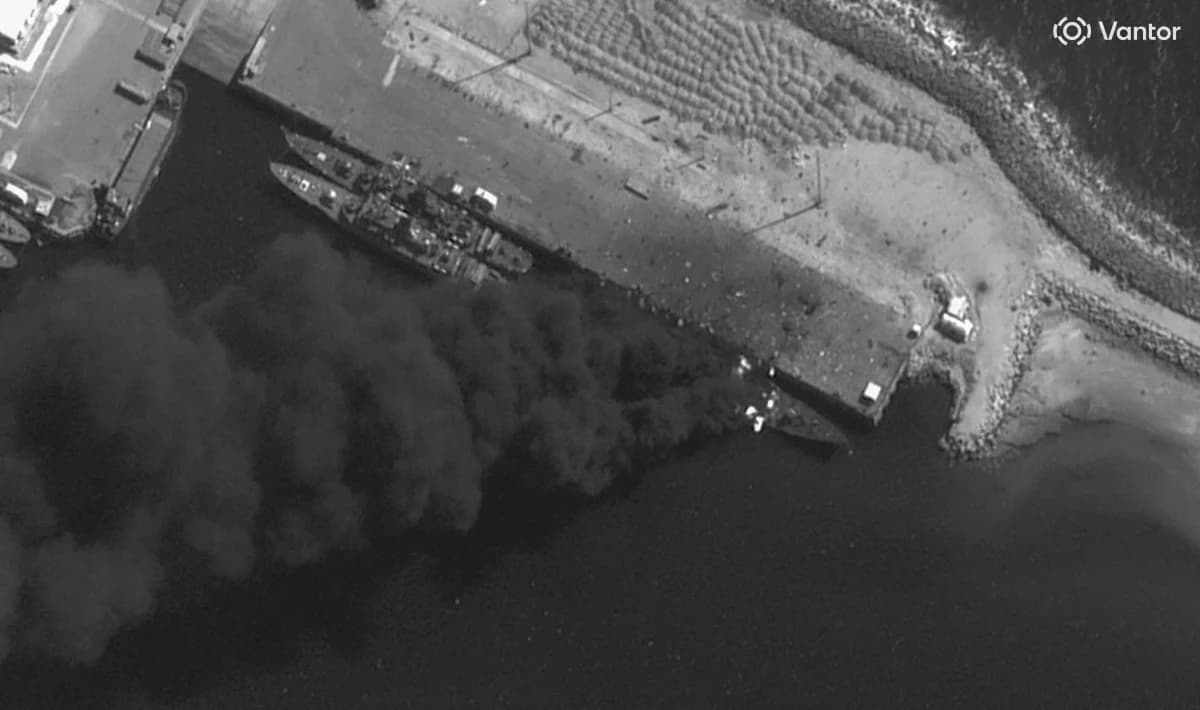
- •Commercial imagery revealed strike impacts in near real‑time
- •Conflict underscores space as indispensable warfighting domain
Pulse Analysis
The Iran‑U.S. confrontation marked the first documented instance where space‑based non‑kinetic capabilities were employed as a decisive opening move. By targeting satellite links and sensor arrays, USSPACECOM effectively blinded Iran’s command structure, illustrating how orbital assets can be weaponized without firing a single projectile. This approach aligns with broader Pentagon doctrines that prioritize information dominance and electromagnetic spectrum control, signaling a shift toward multi‑domain operations where space is a primary battlefield.
Beyond the tactical edge, the episode highlighted the growing symbiosis between military and commercial space sectors. Companies like Vantor and Planet Labs delivered near‑real‑time imagery of strike zones, feeding both intelligence analysts and the public. Such transparency not only enhances situational awareness for decision‑makers but also raises strategic considerations about the vulnerability of commercial constellations in contested environments. As more private constellations proliferate, their role in both supporting and potentially being targeted in future conflicts will become a focal point for policymakers.
Looking ahead, the successful integration of cyber and space operations sets a precedent for future conflicts. Nations will likely invest heavily in resilient satellite architectures, anti‑satellite defenses, and rapid‑response space‑based cyber tools. For defense contractors and satellite operators, this translates into heightened demand for hardened platforms, on‑orbit servicing, and advanced electronic warfare capabilities. The Iran conflict thus serves as a case study that underscores space’s evolution from a support function to a core combat domain, reshaping strategic planning across the defense industry.
Space Was ‘First Mover’ In Iran Conflict, Top General Says
0
Comments
Want to join the conversation?
Loading comments...