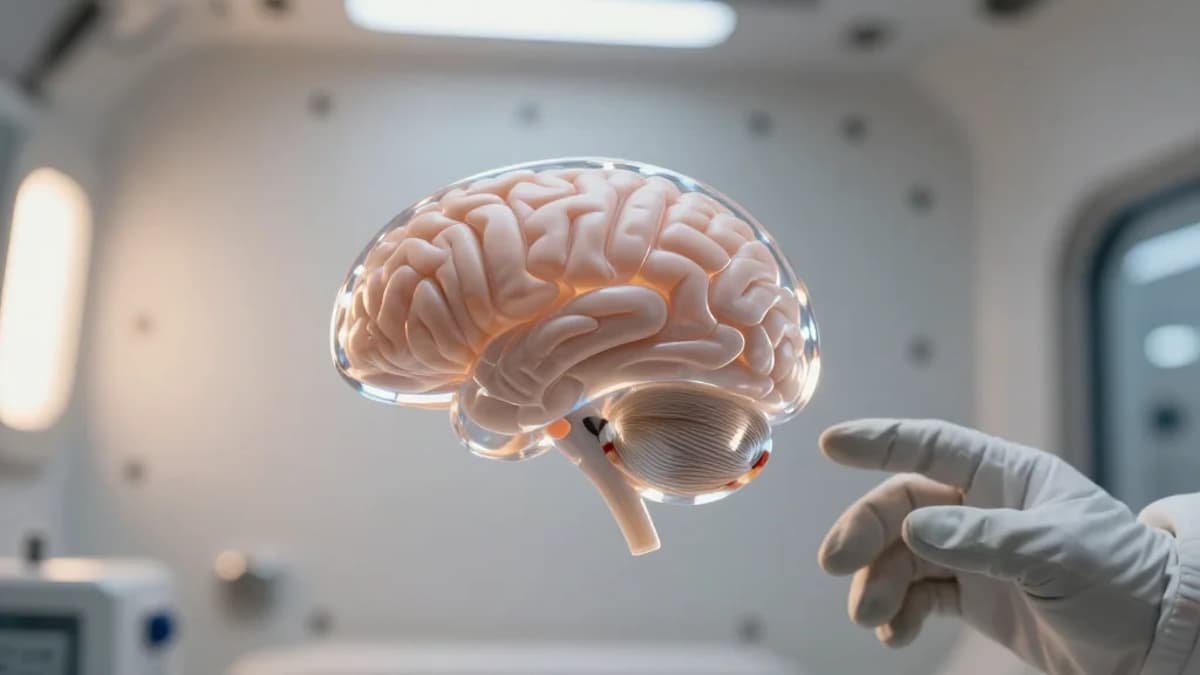
Spaceflight Causes Astronauts' Brains to Shift, Stretch and Compress in Microgravity
•January 13, 2026
0
Why It Matters
Brain deformation in space may impair vision, cognition, and overall health, posing a risk for future long‑duration missions. Understanding these effects is essential for designing effective countermeasures.
Key Takeaways
- •Brain ventricles expand in microgravity
- •Cerebral tissue compresses toward skull base
- •Fluid redistribution shifts brain upward
- •Structural changes may affect vision and cognition
- •Countermeasures needed for long-duration missions
Pulse Analysis
Spaceflight has long been known to erode muscle mass, thin bone density, and redistribute bodily fluids, but the latest PNAS research adds a critical neurological dimension. Using high‑resolution MRI scans taken pre‑ and post‑mission, scientists observed that the brain not only moves upward toward the skull but also stretches and compresses in specific regions. These morphological shifts manifest as enlarged ventricles and altered cortical thickness, suggesting that the brain’s structural integrity is vulnerable to the weightless environment.
The physiological ramifications of brain reshaping are profound. Shifts in intracranial pressure and fluid dynamics can exacerbate the already documented visual‑intracranary syndrome (VIIP), leading to blurred vision or retinal changes. Moreover, compression of white‑matter pathways may impact cognitive processing speed and spatial orientation, essential skills for spacecraft operations. As missions extend beyond low Earth orbit to lunar habitats and Mars voyages, even subtle neurological impairments could jeopardize crew performance and safety.
Addressing these challenges will require a multidisciplinary approach. NASA and commercial partners are exploring artificial gravity habitats, targeted exercise regimens, and pharmacological interventions to mitigate fluid shifts. Ongoing longitudinal studies aim to map the timeline of brain recovery after return to Earth, informing post‑flight rehabilitation protocols. By integrating neuroimaging insights with engineering solutions, the aerospace industry can safeguard astronaut health and ensure mission success in the era of deep‑space exploration.
Spaceflight causes astronauts' brains to shift, stretch and compress in microgravity
0
Comments
Want to join the conversation?
Loading comments...