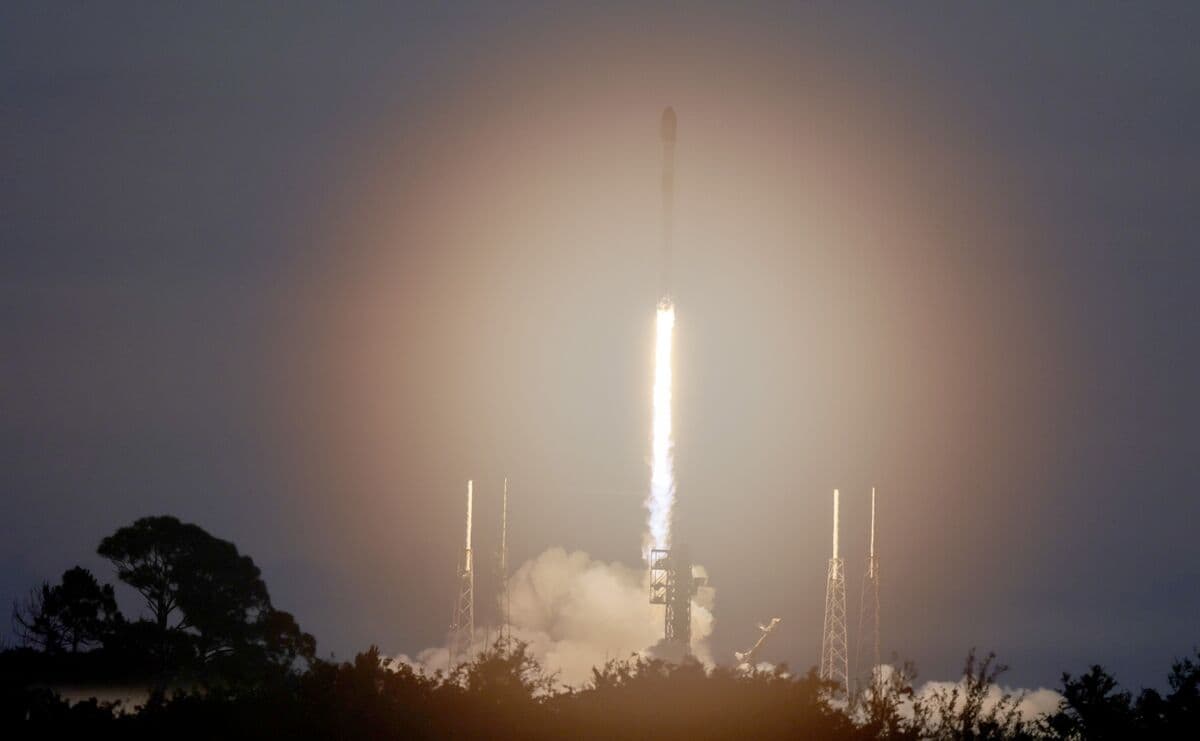
SpaceX Criticizes EU Proposal for Satellite Spectrum Tender
Why It Matters
If the EU adopts the current tender rules, Starlink could lose a foothold in Europe’s mobile‑connected broadband market, limiting revenue growth and competitive positioning against regional satellite players.
Key Takeaways
- •SpaceX warns EU tender could block mobile‑device satellite services
- •EU spectrum rules target 2.4‑2.5 GHz and 3.4‑3.8 GHz bands
- •Starlink’s European expansion hinges on regulatory approval
- •Criticism follows SpaceX’s record‑setting IPO and satellite launches
- •EU conference will shape future satellite market access in Europe
Pulse Analysis
The European Union’s upcoming satellite spectrum tender is more than a bureaucratic exercise; it determines which operators can access the high‑frequency bands essential for low‑latency, mobile‑compatible broadband. By focusing on the 2.4‑2.5 GHz and 3.4‑3.8 GHz ranges, the EU aims to harmonize services across member states, but the draft framework imposes licensing conditions that could favor incumbent terrestrial providers. SpaceX argues that such constraints would prevent its Starlink constellation from delivering seamless connectivity to smartphones and IoT devices, a capability that differentiates it from traditional satellite internet services.
For SpaceX, the stakes are financial and strategic. The company’s recent IPO raised billions, and its growth model relies on expanding into densely populated markets where mobile integration drives subscriber adoption. Europe represents a lucrative segment, with over 500 million mobile users and a regulatory environment that encourages competition. If the EU’s rules limit Starlink’s ability to operate in the designated bands, the firm may face higher entry costs, delayed rollouts, or the need to negotiate separate spectrum deals, eroding the economies of scale that underpin its pricing advantage.
Regulators, meanwhile, must balance spectrum efficiency with market openness. The EU’s tender process seeks to prevent spectrum hoarding and ensure that new entrants meet technical and safety standards. However, overly restrictive criteria could stifle innovation and lock out disruptive players like SpaceX, potentially slowing the rollout of next‑generation connectivity across the continent. Stakeholders will watch the Brussels conference closely, as its outcomes could set a precedent for how satellite broadband integrates with mobile ecosystems worldwide.
SpaceX Criticizes EU Proposal for Satellite Spectrum Tender
Comments
Want to join the conversation?
Loading comments...