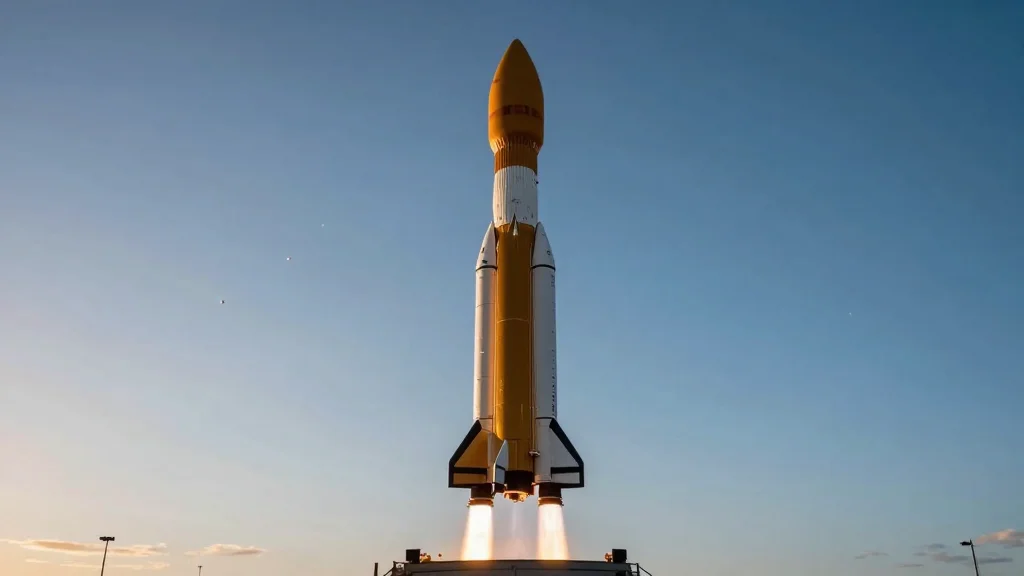
SpaceX Hits 50 Launches in 2026, Adds 25 Starlink Satellites

Companies Mentioned


Why It Matters
SpaceX’s launch tempo directly shapes the economics of global broadband access. By rapidly populating the Starlink constellation, the firm lowers per‑user costs and shortens the time needed to achieve true worldwide coverage, a key driver for digital inclusion initiatives. Moreover, the company’s reusable‑booster model forces the entire launch industry to accelerate cost‑cutting measures, potentially reshaping pricing structures for satellite operators across the board. The concentration of launch activity on a single provider also raises regulatory and safety questions. As the number of active LEO satellites approaches 10,300, space traffic management becomes increasingly complex, and the risk of collisions grows. Policymakers will need to balance the benefits of ubiquitous broadband against the long‑term sustainability of the orbital environment.
Key Takeaways
- •SpaceX’s 50th Falcon 9 launch of 2026 deployed 25 Starlink satellites
- •Booster 1088 completed its 15th flight and landed on a droneship
- •Starlink constellation now totals nearly 10,300 active satellites
- •SpaceX projects ~160 orbital missions in 2026, near its 2025 record of 165
- •Upcoming Falcon Heavy launch delayed by weather, highlighting schedule pressures
Pulse Analysis
SpaceX’s ability to sustain a 50‑launch cadence in a single year is unprecedented and signals a structural shift in the launch services market. The company’s aggressive reuse strategy has driven launch costs down to a point where satellite operators can afford to launch larger constellations, effectively creating a feedback loop: more satellites demand more launches, which in turn fund further reuse improvements. This virtuous cycle has left legacy providers scrambling to cut prices while they still rely on expendable hardware.
However, the dominance is not without risk. Concentrating launch capacity and satellite deployment under one roof makes the industry vulnerable to any operational hiccup at SpaceX—be it a technical failure, regulatory clampdown, or supply‑chain disruption. The delayed Falcon Heavy mission illustrates how weather and scheduling constraints can ripple through a tightly packed manifest. Competitors that can demonstrate comparable reliability and cost efficiency, such as Blue Origin’s New Glenn or Rocket Lab’s upcoming Neutron, could erode SpaceX’s market share if they secure even a modest fraction of the projected 2026 launch demand.
In the longer term, the rapid expansion of the Starlink network will pressure orbital debris mitigation policies and spectrum management. If SpaceX continues to outpace regulatory frameworks, it may face stricter licensing conditions that could increase compliance costs. Conversely, the company’s success could accelerate international cooperation on space traffic management, setting new standards that benefit the entire industry. Stakeholders should watch the outcome of the upcoming Falcon Heavy launch as a bellwether for SpaceX’s ability to balance high launch volume with operational resilience.
SpaceX hits 50 launches in 2026, adds 25 Starlink satellites
Comments
Want to join the conversation?
Loading comments...