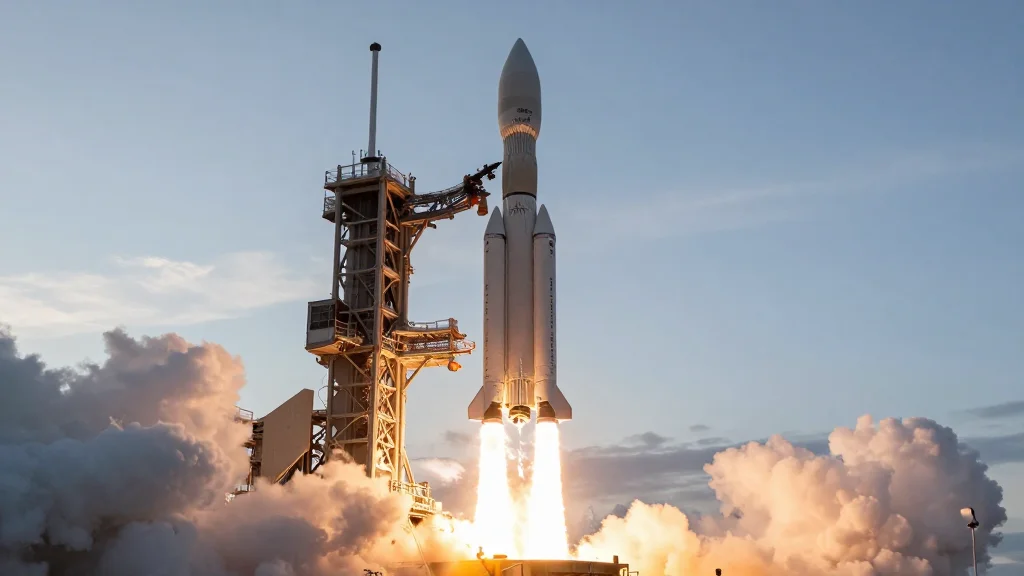
SpaceX Launches 1,000th Starlink Satellite of 2026 on Falcon 9 Rocket From Cape Canaveral
Why It Matters
The milestone highlights SpaceX’s ability to scale satellite broadband quickly while proving the economic viability of reusable launch hardware, reshaping the global connectivity market.
Key Takeaways
- •29 Starlink broadband satellites placed into low‑Earth orbit
- •Mission 10‑24 marks SpaceX’s 37th dedicated Starlink launch this year
- •Booster B1080 completed its 26th flight and landed safely
- •Drone ship ‘Just Read the Instructions’ recorded its 157th landing
- •Total Starlink satellites launched in 2026 now exceed 1,000
Pulse Analysis
SpaceX’s 1,000th Starlink launch of 2026 illustrates a deployment pace few competitors can match. By cramming 29 new broadband nodes into a single Falcon 9 flight, the company not only accelerates its goal of global coverage but also leverages a proven launch cadence that reduces per‑satellite cost. The Starlink 10‑24 mission, the 37th dedicated deployment this year, pushes the constellation past the 1,000‑satellite threshold, a symbolic marker that signals maturity and network resilience for users in remote and underserved regions.
The rapid rollout has direct implications for the satellite‑based internet market, where demand for low‑latency, high‑throughput connectivity is surging among enterprises, maritime operators, and rural households. As SpaceX continues to fill orbital slots, it pressures rivals like OneWeb and Amazon’s Project Kuiper to accelerate their own constellations, potentially compressing pricing and spurring innovation in ground‑segment technology. Moreover, the expanding Starlink footprint draws regulatory attention, especially regarding spectrum allocation and space debris mitigation, compelling industry stakeholders to engage with policymakers on sustainable practices.
Equally notable is the reusable booster performance. B1080’s 26th flight and the 157th landing on the “Just Read the Instructions” drone ship underscore the economic advantage of rapid turn‑around hardware. With 598 total booster recoveries, SpaceX demonstrates a cost structure that rivals traditional launch providers struggle to match. This reliability not only supports the high launch frequency needed for Starlink’s growth but also positions SpaceX as a preferred launch partner for a broader range of commercial and government payloads, reinforcing its dominance in the launch services sector.
SpaceX launches 1,000th Starlink satellite of 2026 on Falcon 9 rocket from Cape Canaveral
Comments
Want to join the conversation?
Loading comments...