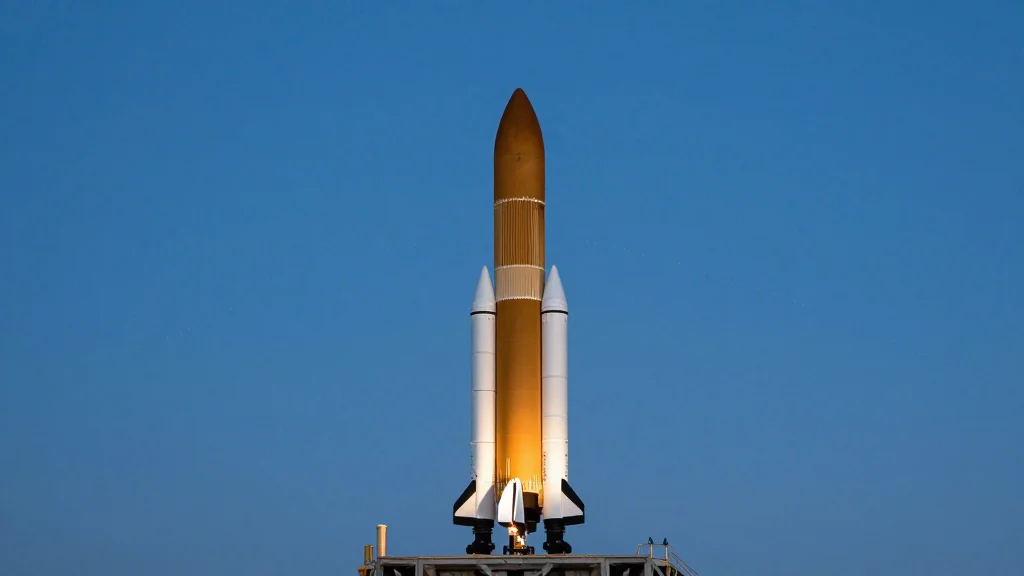
SpaceX Launches 24 Starlink Satellites, Pushing Constellation Toward 9,000 Units

Companies Mentioned
Why It Matters
The launch adds critical capacity to Starlink’s network, bringing high‑speed internet to underserved regions and supporting emergency communications, which can have geopolitical implications—evident in the service’s role in Ukraine and remote African markets. At the same time, the shareholder dispute over EWIT’s SpaceX stake highlights how financial markets are positioning themselves for what could become one of the largest tech IPOs in history, potentially reshaping capital flows into the space sector. If the launch cadence remains robust and the governance battle resolves in favor of existing shareholders, SpaceX will be better positioned to leverage Starlink revenue for its ambitious Starship program and other deep‑space initiatives. Conversely, a disruptive takeover could alter strategic priorities, affecting everything from satellite production to the timing of a public listing.
Key Takeaways
- •Falcon 9 lifted off from Vandenberg at 8:23 p.m. PDT, deploying 24 Starlink satellites
- •Total Starlink fleet now close to 9,000 satellites, expanding coverage over the Americas and Pacific
- •Booster’s fifth flight landed on droneship “Of Course I Still Love You,” continuing a 600‑successful‑landing streak
- •EWIT holds a £165 million (≈$211 million) SpaceX stake; Saba Capital seeks board control ahead of a potential IPO
- •SpaceX’s valuation could reach £1.3 trillion (≈$1.66 trillion) if it lists later this year
Pulse Analysis
SpaceX’s ability to reuse Falcon 9 first stages at scale is the engine behind its rapid Starlink expansion. Each successful landing reduces marginal launch cost, allowing the company to price satellite capacity competitively against terrestrial broadband. The latest Vandenberg mission, with its upgraded laser‑link payloads, signals a shift from merely adding satellites to enhancing network performance—a move that could attract enterprise customers and government contracts, diversifying revenue beyond consumer subscriptions.
The shareholder tussle over EWIT’s stake adds a layer of strategic uncertainty. Saba Capital’s push reflects a broader trend of activist investors targeting high‑growth, pre‑IPO assets where valuation upside is massive. If Saba succeeds, it could pressure SpaceX’s leadership to accelerate the IPO timeline or negotiate a premium sale, potentially injecting fresh capital but also inviting greater regulatory scrutiny. Conversely, a defeat for Saba would preserve the current governance structure, allowing SpaceX to retain tighter control over its long‑term vision, especially the integration of Starlink with Starship missions.
In the macro view, the convergence of operational momentum and financial maneuvering positions SpaceX at a crossroads. Continued launch cadence will cement Starlink’s market share and provide the cash flow needed for ambitious deep‑space projects. Meanwhile, the outcome of the EWIT board battle will signal how much external influence investors will have over SpaceX’s strategic direction as it approaches a historic public offering. Both dynamics will shape the competitive landscape of the SpaceTech sector for years to come.
SpaceX launches 24 Starlink satellites, pushing constellation toward 9,000 units
Comments
Want to join the conversation?
Loading comments...