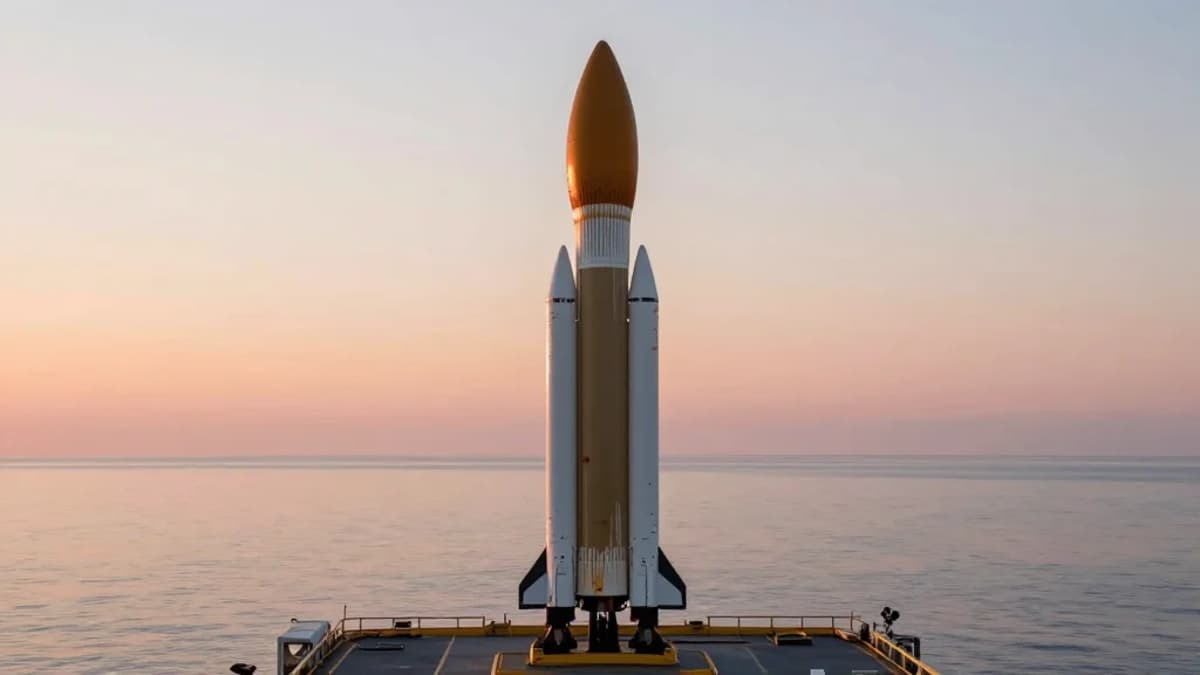
SpaceX Launches 25 More Starlink Satellites
•March 1, 2026
0
Why It Matters
SpaceX’s rapid deployment accelerates global satellite internet coverage while cementing its dominance in the launch market, pressuring rivals and shaping regulatory discussions.
Key Takeaways
- •SpaceX launched 25 Starlink satellites from Vandenberg
- •Falcon 9 first stage completed 20th flight, landed drone ship
- •SpaceX leads 2026 launch race with 26 missions
- •SpaceX's launch count exceeds rest of world combined
- •Japan's Space One delays Kairos launch to March 3
Pulse Analysis
SpaceX’s latest Starlink deployment highlights the company’s aggressive launch cadence, a critical factor in expanding low‑Earth‑orbit broadband services. By inserting 25 new satellites, SpaceX not only boosts network capacity and redundancy but also demonstrates the reliability of its reusable Falcon 9, now on its 20th successful first‑stage recovery. This operational efficiency translates into lower per‑satellite costs, enabling the firm to offer competitive pricing for residential and enterprise customers worldwide.
The 2026 launch landscape is increasingly crowded, yet SpaceX’s 26 missions already dwarf the combined output of traditional aerospace giants. Competitors such as China, Rocket Lab, and Arianespace are scrambling to secure payload slots, while emerging players like Firefly and Japan’s Space One aim to carve niche markets. This concentration of launch activity intensifies demand for range infrastructure, launch‑service pricing, and regulatory approvals, prompting governments to reassess licensing frameworks and spectrum allocations for mega‑constellations.
For the broader telecom ecosystem, the accelerated rollout of Starlink satellites promises to narrow the digital divide, especially in underserved regions lacking fiber connectivity. However, the rapid proliferation of LEO constellations raises concerns about orbital debris, frequency interference, and long‑term sustainability. Stakeholders—including operators, policymakers, and insurers—must balance the economic upside of ubiquitous broadband with the need for robust space traffic management and coordinated international standards.
SpaceX launches 25 more Starlink satellites
0
Comments
Want to join the conversation?
Loading comments...