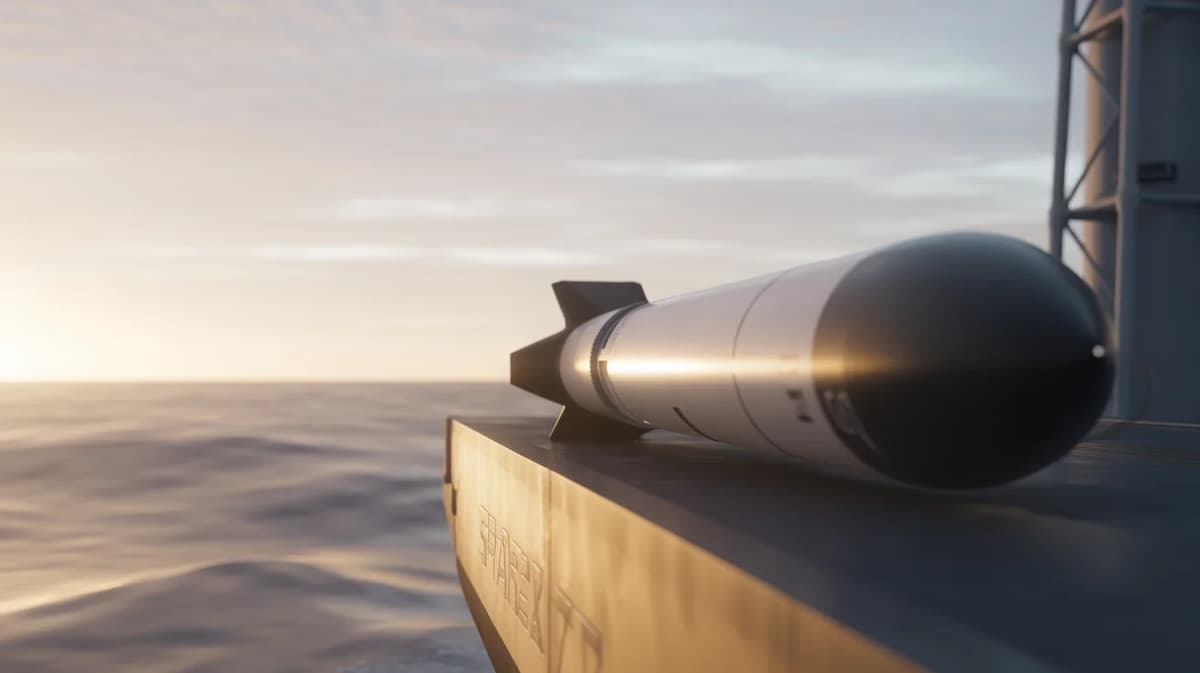
SpaceX Launches 29 More Starlink Satellites, Plus a Review of Its Falcon 9 First Stage Fleet
•January 4, 2026
0
Companies Mentioned


Why It Matters
A larger, reusable booster fleet reduces launch costs and accelerates the rollout of global broadband, strengthening SpaceX’s market dominance. The trend signals heightened launch capacity for both commercial and government customers.
Key Takeaways
- •29 Starlink satellites launched on Falcon 9
- •First stage landed on Atlantic drone ship
- •Active fleet around 25 boosters
- •Added 23 stages since 2022
- •Fleet growth enables high launch cadence
Pulse Analysis
SpaceX’s latest Starlink deployment underscores the company’s aggressive push to expand its satellite‑internet constellation. By lofting 29 new satellites in a single mission, SpaceX not only replenishes orbital slots but also demonstrates the reliability of its launch operations early in 2026. The successful drone‑ship recovery of the first‑stage booster highlights the continued refinement of reusable technology, a cornerstone of the firm’s cost‑saving strategy and a key differentiator in the crowded launch market.
The underlying driver of this launch tempo is the expanding Falcon 9 booster fleet. Since the introduction of the Block 5 variant in 2018, SpaceX has incrementally added new stages each year, reaching an estimated 25 active boosters today. Data shows a net addition of 23 stages since 2022, translating to roughly one new booster for every 20 launches in 2025. This growth is not merely numerical; each fresh booster brings fresh refurbishment cycles, reducing turnaround time and enhancing overall fleet resilience. The Block 5’s design goal of 40 flights per booster further amplifies the cost efficiencies that SpaceX can pass on to customers.
For the broader aerospace sector, SpaceX’s expanding reusable fleet reshapes competitive dynamics. Lower launch prices and rapid cadence attract a wider array of satellite operators, from broadband providers to Earth‑observation firms, pressuring legacy launch providers to accelerate their own reusability programs. Moreover, the robust booster inventory positions SpaceX to meet upcoming demand spikes tied to mega‑constellations and deep‑space missions, reinforcing its role as a pivotal enabler of the next wave of space‑based services. This momentum suggests that SpaceX will continue to set the benchmark for launch economics and operational tempo in the years ahead.
SpaceX launches 29 more Starlink satellites, plus a review of its Falcon 9 first stage fleet
0
Comments
Want to join the conversation?
Loading comments...