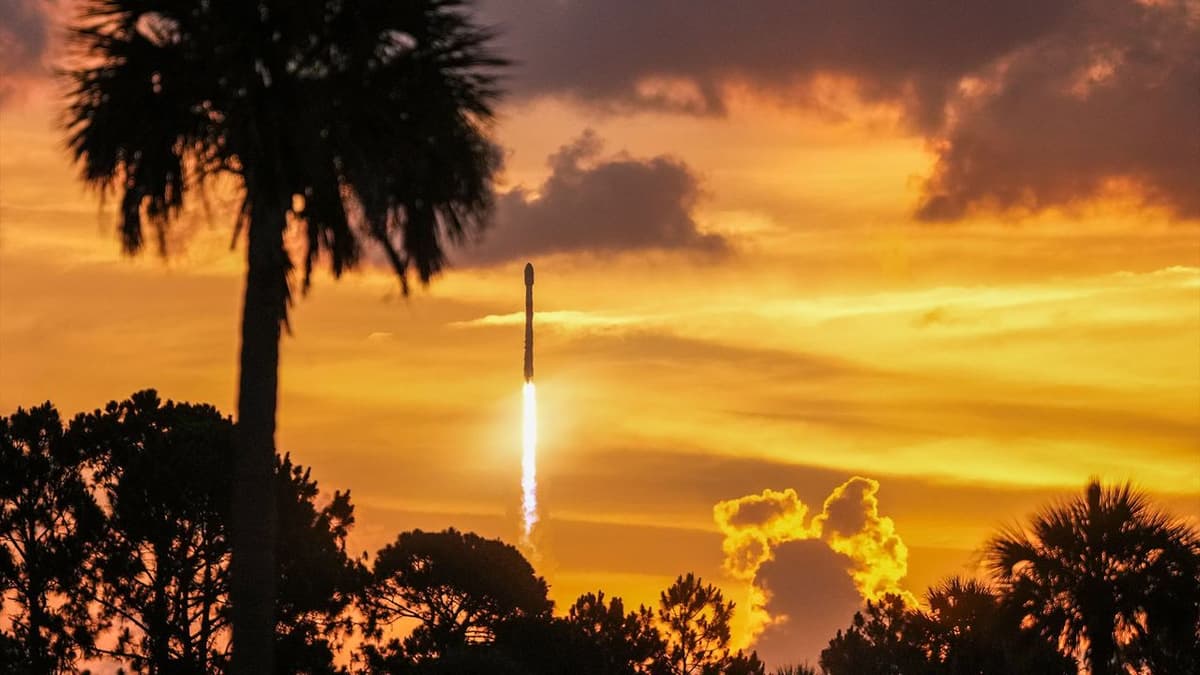
SpaceX Launches Back-to-Back Starlink Missions From Both Coasts 19 Hours Apart (Photos)
Companies Mentioned
Why It Matters
The rapid, bi‑coastal deployment accelerates SpaceX’s goal of global broadband coverage and showcases the operational maturity of reusable launch vehicles, strengthening its competitive edge in the satellite‑internet market.
Key Takeaways
- •53 new Starlink satellites added, total active >10,500
- •Launches occurred from both coasts within 19 hours
- •Boosters B1088 and B1090 achieved 16th and 12th flights respectively
- •Reusable Falcon 9 continues to land on droneships after each mission
Pulse Analysis
SpaceX’s back‑to‑back Starlink launches underscore the company’s aggressive expansion of a broadband network that now exceeds 10,500 active satellites. By filling coverage gaps in underserved regions, the megaconstellation aims to capture a larger slice of the global internet‑access market, directly challenging terrestrial providers and rivals such as OneWeb and Amazon’s Project Kuiper. The added capacity also supports emerging use cases like maritime connectivity, remote‑area IoT, and low‑latency edge computing, reinforcing SpaceX’s position as a critical infrastructure player.
The 19‑hour launch window from opposite coasts highlights SpaceX’s unparalleled cadence and the robustness of its reusable Falcon 9 fleet. Booster B1088’s 16th flight and B1090’s 12th illustrate a maturing refurbishment process that drives launch costs down while maintaining reliability. Rapid turnaround not only maximizes launch pad utilization but also enables the company to respond swiftly to demand spikes or regulatory windows, giving it a logistical advantage over competitors still reliant on expendable rockets or fewer launch sites.
Regulators and investors are watching these deployments closely, as the sheer volume of satellites raises concerns about orbital debris and spectrum allocation. However, SpaceX’s demonstrated ability to recover and reuse first‑stage boosters mitigates environmental impact and aligns with emerging sustainability standards. The continued growth of Starlink positions the firm to dominate future revenue streams from subscription services, enterprise contracts, and government partnerships, while setting a benchmark for high‑frequency, low‑cost satellite launches.
SpaceX launches back-to-back Starlink missions from both coasts 19 hours apart (photos)
Comments
Want to join the conversation?
Loading comments...