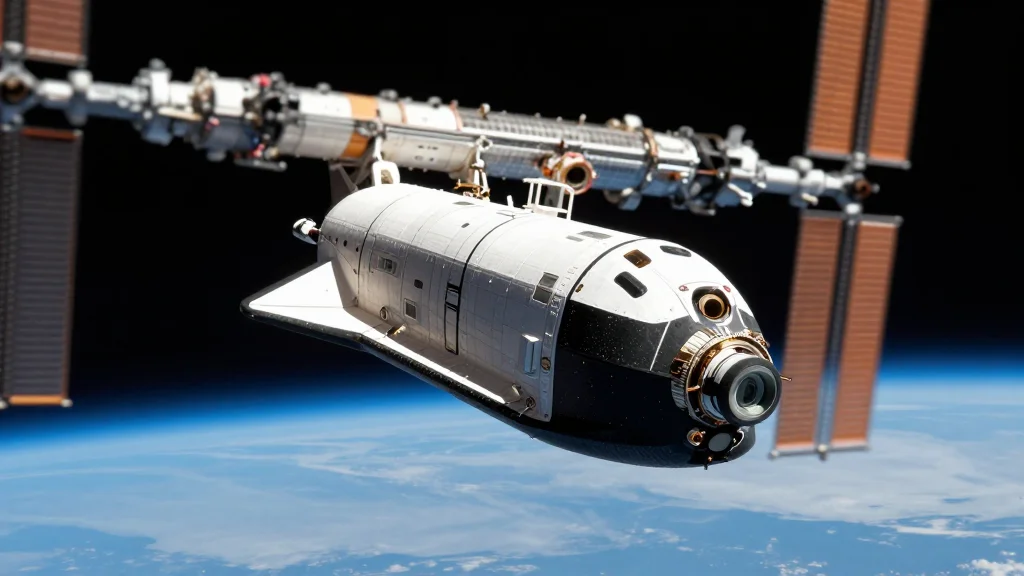
SpaceX Launches CRS‑34 Dragon Cargo Mission, Its 638th Falcon 9 Flight

Companies Mentioned
Why It Matters
The CRS‑34 launch demonstrates how commercial launch providers have become integral to the United States’ low‑Earth‑orbit infrastructure. By delivering critical science hardware and life‑support supplies, SpaceX sustains the ISS’s research output, which feeds directly into technology development for Artemis and future deep‑space missions. The mission also showcases the reliability of reusable launch systems, a factor that could lower the cost of transporting lunar and Martian payloads in the coming decade. Furthermore, the flight highlights the geopolitical balance of ISS logistics. While SpaceX handles the bulk of U.S. cargo deliveries, Roscosmos continues to provide Progress resupply, ensuring redundancy but also underscoring the need for diversified commercial options as the station ages. The continued success of these missions will shape policy decisions about the ISS’s operational lifespan and the transition to next‑generation orbital platforms.
Key Takeaways
- •SpaceX launched CRS‑34 on a Falcon 9 from Cape Canaveral at 6:05 p.m. ET Friday
- •Cargo Dragon carried about 6,500 pounds of supplies, including 1,834 pounds of research equipment
- •Mission marked SpaceX’s 638th Falcon 9 launch and the first Cargo Dragon to make a sixth trip to the ISS
- •First stage booster landed successfully, marking the 611th booster recovery for the company
- •ISS crew will unload the cargo during Expedition 74, supporting ongoing science and upcoming crew rotations
Pulse Analysis
SpaceX’s CRS‑34 flight is more than a routine resupply; it is a data point in the company’s broader strategy to monopolize low‑Earth‑orbit services. By achieving a sixth Dragon trip, SpaceX proves the durability of its cargo vehicle, a factor that will be crucial when NASA contracts for lunar gateway logistics intensify. The reusable Falcon 9’s track record—over 600 successful recoveries—creates a cost advantage that traditional expendable launchers cannot match, pressuring Roscosmos and emerging competitors to accelerate their own reusability programs.
The mission also illustrates how ISS logistics are becoming a proving ground for next‑generation space infrastructure. The research payloads delivered by Dragon feed directly into technology validation for Artemis, such as advanced life‑support systems and radiation monitoring. As NASA shifts funding toward lunar and Martian missions, the ability of commercial partners to reliably move large volumes of hardware at reduced cost will be a decisive factor in contract awards.
Looking forward, the cadence of SpaceX cargo flights—three more before year‑end—suggests the company is positioning itself to handle not only ISS needs but also the emerging demand for lunar gateway resupply. If SpaceX can maintain its launch frequency while keeping per‑kilogram costs low, it will likely become the default logistics provider for NASA’s deep‑space ambitions, reshaping the economics of space exploration for the next decade.
SpaceX launches CRS‑34 Dragon cargo mission, its 638th Falcon 9 flight
Comments
Want to join the conversation?
Loading comments...