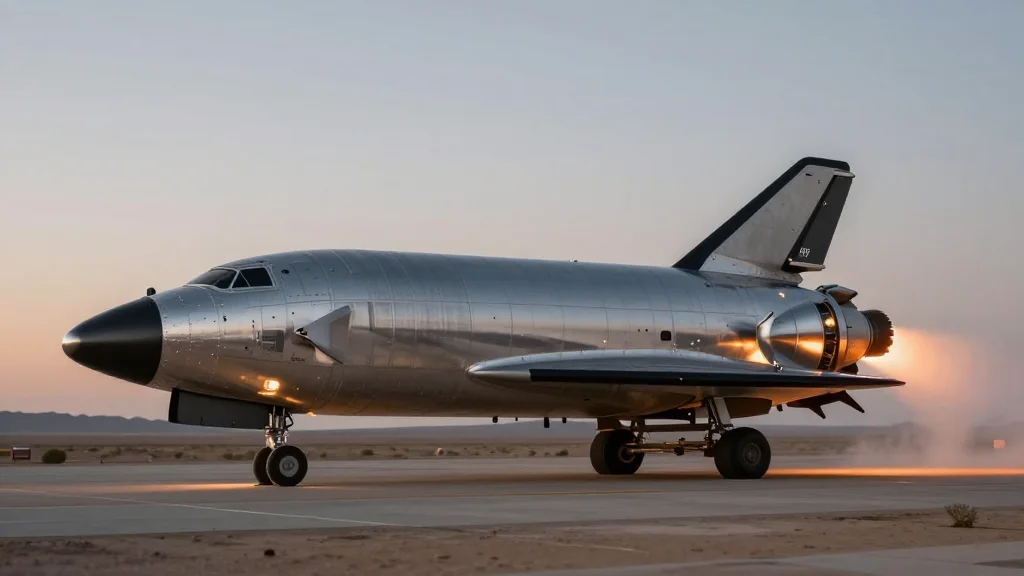
SpaceX Launches Upgraded Starship V3 Mega‑rocket From Texas

Companies Mentioned



Why It Matters
The V3 launch demonstrates SpaceX’s ability to rapidly evolve its flagship launch system, a capability that could reshape the economics of deep‑space exploration. By proving new engine performance and heat‑shield technology, SpaceX moves closer to delivering a fully reusable vehicle capable of ferrying crew and cargo to the Moon and, eventually, Mars. This progress not only strengthens SpaceX’s position in the lucrative government and commercial launch market but also accelerates the timeline for humanity’s return to the lunar surface. Furthermore, the successful test validates Texas’s emerging role as a major aerospace hub, attracting investment and talent to the region. As other companies race to develop comparable heavy‑lift vehicles, SpaceX’s iterative approach may set a new industry standard for rapid prototyping and data‑driven design, influencing how future launch systems are built and certified.
Key Takeaways
- •SpaceX launched the first Starship Version 3 mega‑rocket from Starbase, Texas
- •V3 features three upgraded Raptor 2 engines and a revised heat‑shield tile layout
- •The flight reached ~150 km altitude, performed a controlled re‑entry, and splashed down safely
- •Successful test strengthens SpaceX’s lead in lunar‑transport contracts and commercial launch market
- •Next goal: a full orbital flight later in 2026 to certify the vehicle for crewed lunar missions
Pulse Analysis
SpaceX’s incremental upgrades to Starship illustrate a broader shift in aerospace toward modular, software‑driven development cycles. By treating each test as a data point rather than a binary success/failure, the company reduces risk while accelerating hardware evolution. This approach contrasts with the traditional aerospace model, where new vehicle generations often require years of redesign and certification. The V3 flight shows that a rapid‑iteration mindset can deliver tangible performance gains—such as higher thrust and improved thermal protection—without sacrificing safety.
The competitive landscape is also being reshaped. Blue Origin’s New Glenn and Rocket Lab’s Neutron are both targeting the same market segment of heavy‑lift, reusable launch services. However, SpaceX’s ability to field a new version within months gives it a decisive timing advantage. Investors are likely to reward this agility, as evidenced by the surge in SpaceX‑related equities and the growing pipeline of commercial contracts. The V3 test also signals to NASA that SpaceX remains the most viable partner for Artemis, potentially locking in billions of dollars of future revenue.
Looking ahead, the upcoming orbital test will be a litmus test for the vehicle’s re‑usability claims. If SpaceX can demonstrate a safe, controlled landing after a high‑velocity re‑entry, it will cement the economic case for a fully reusable lunar‑transport system. That would lower launch costs dramatically, opening the door for a new wave of private lunar ventures, from mining to tourism. In short, the V3 launch is not just a technical milestone; it is a strategic inflection point that could accelerate humanity’s return to the Moon and set the stage for the first crewed missions to Mars.
SpaceX launches upgraded Starship V3 mega‑rocket from Texas
Comments
Want to join the conversation?
Loading comments...