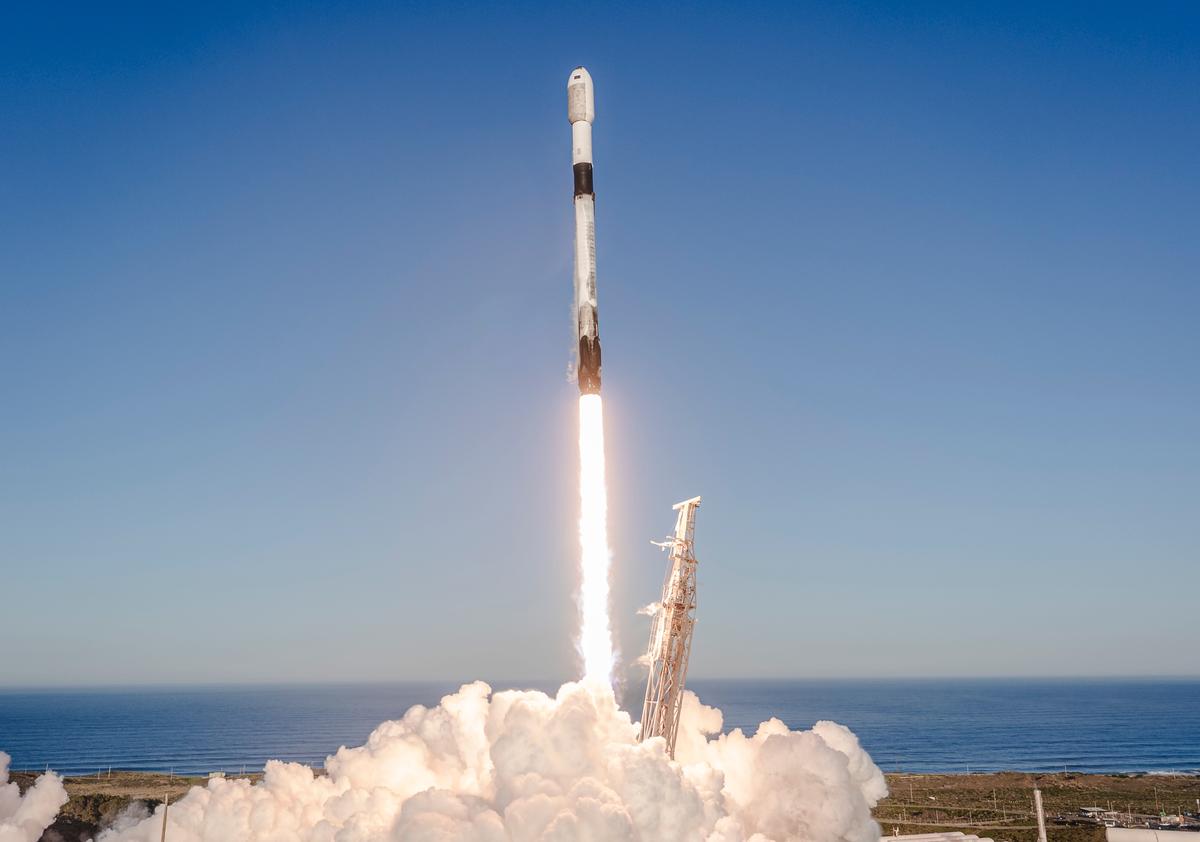
SpaceX Pauses Falcon 9 Launches After Upper Stage Anomaly
•February 3, 2026
0


Why It Matters
The halt underscores reliability challenges in SpaceX’s high‑frequency launch cadence, potentially affecting Starlink deployment and customer confidence. Regulators and partners will monitor the investigation’s outcome for broader industry safety implications.
Key Takeaways
- •SpaceX pauses Falcon 9 after Feb 2 upper‑stage anomaly
- •Issue occurred during final deorbit burn preparation, stage passivated
- •Recent history shows multiple upper‑stage failures prompting brief launch pauses
- •Investigation will determine root cause before resuming flights
- •Low perigee orbit suggests stage will re‑enter soon
Pulse Analysis
SpaceX’s Falcon 9 has become the workhorse of commercial orbital access, supporting everything from satellite constellations to government payloads. The company’s aggressive launch cadence—often multiple flights per month—relies on the reliability of both first and upper stages. Recent anomalies, however, have highlighted a vulnerability in the upper stage’s deorbit sequence, a critical step for mitigating space debris and ensuring safe re‑entry. By pausing operations after the Feb. 2 incident, SpaceX signals a willingness to prioritize safety over schedule, a stance that resonates with regulators and customers alike.
The technical root of the latest issue appears to be an “off‑nominal condition” during the final engine burn that prepares the stage for passivation. Passivation, which vents residual propellants and discharges batteries, is essential to prevent uncontrolled break‑up in orbit. A low perigee of roughly 110 × 241 km suggests the stage will re‑enter the atmosphere within weeks, reducing long‑term debris risk but also underscoring the importance of precise burn timing. Past incidents—a September 2024 deorbit burn deviation and a July 2024 engine restart failure—have prompted short launch suspensions, reinforcing the pattern that upper‑stage reliability remains a focal point for the company’s engineering teams.
From a business perspective, each launch pause can ripple through SpaceX’s revenue streams, especially for the Starlink constellation, which depends on rapid deployment to meet broadband commitments. Delays may also affect contractual obligations with government agencies and commercial partners, prompting tighter oversight from the FAA and international space agencies. As SpaceX works through the investigation, the industry watches for corrective actions that could set new standards for upper‑stage health monitoring, potentially reshaping best practices across the commercial launch sector.
SpaceX pauses Falcon 9 launches after upper stage anomaly
0
Comments
Want to join the conversation?
Loading comments...