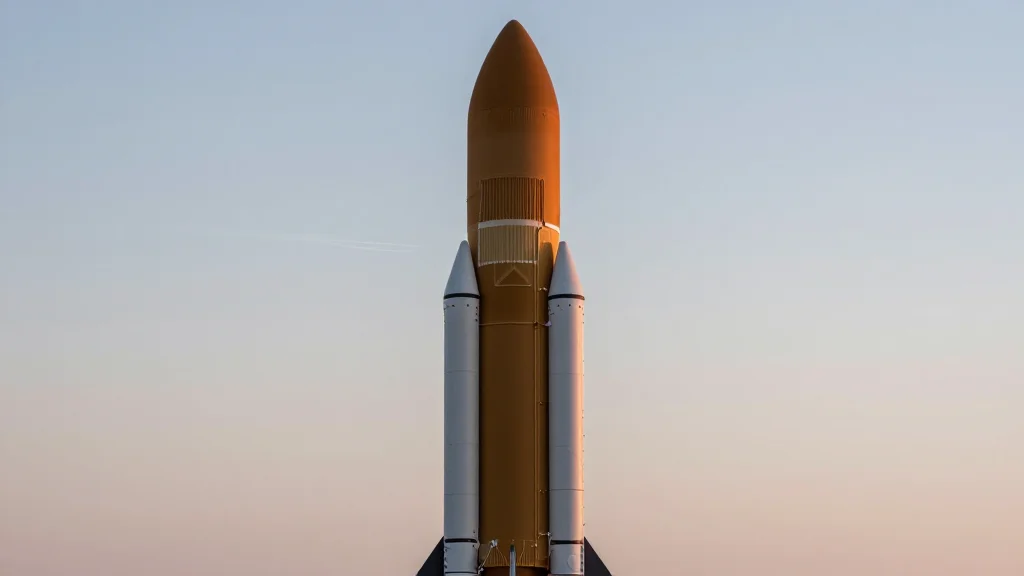
SpaceX Schedules Vandenberg Starlink Launch, Residents Brace for Sonic Booms

Why It Matters
The Vandenberg launch underscores the strategic importance of the West Coast for expanding the Starlink network, bringing high‑speed broadband to a region that has historically lagged behind in fiber deployment. By increasing satellite density over the Pacific, SpaceX can lower latency for users in California, Oregon, Washington and beyond, strengthening its market position against emerging rivals. At the same time, the anticipated sonic booms highlight the growing tension between rapid launch schedules and community quality‑of‑life concerns, prompting regulators and launch operators to balance commercial ambition with local stakeholder engagement. The public outreach effort reflects a broader industry shift toward more transparent launch operations. As launch frequency climbs, especially from Vandenberg, agencies will likely impose stricter noise‑impact assessments and require more robust communication plans. How SpaceX navigates these expectations could set a precedent for future high‑tempo launch sites worldwide.
Key Takeaways
- •SpaceX will launch 25 Starlink satellites from Vandenberg on April 18, 2026, with a four‑hour window starting at 7 a.m. PT.
- •Residents of Santa Barbara, San Luis Obispo and Ventura counties have been warned they will hear a sonic boom.
- •The Falcon 9 booster will attempt a droneship landing on “Of Course I Still Love You” after stage separation.
- •The launch follows two April 14‑15 missions that delivered a total of 54 Starlink satellites, marking Vandenberg’s 25th launch of the year.
- •A public “Mission Update” briefing is scheduled for April 22 in Carpinteria to address community concerns.
Pulse Analysis
SpaceX’s decision to stage a dedicated West Coast Starlink launch reflects a calculated effort to diversify its launch infrastructure and reduce bottlenecks at Florida’s Cape Canaveral. By leveraging Vandenberg’s polar trajectory, the company can insert satellites into orbital planes that improve coverage over the Pacific and the Americas, a move that directly supports its broadband expansion goals. The reuse of a proven Falcon 9 booster not only cuts per‑launch costs but also demonstrates the maturity of SpaceX’s rapid‑turnaround model, which competitors have yet to replicate at scale.
However, the growing cadence of launches from Vandenberg introduces operational friction. Sonic booms, while a known by‑product of supersonic flight, are becoming a more visible public issue as launch frequency rises. The Vandenberg team’s outreach—culminating in a town‑hall‑style briefing—signals an acknowledgment that community goodwill is a finite resource. If residents begin to push back, regulators could impose stricter noise‑abatement requirements or limit launch windows, potentially eroding the cost advantage that SpaceX enjoys.
In the broader market, the incremental 25‑satellite addition nudges Starlink’s total constellation toward the 5,000‑satellite threshold needed for true global coverage with low latency. This incremental growth puts pressure on OneWeb, which is targeting a 3,000‑satellite network, and Amazon’s Project Kuiper, still awaiting its first launch. As the satellite‑internet sector matures, the ability to launch quickly, land boosters reliably and manage community impact will be decisive factors in capturing market share. SpaceX’s Vandenberg operation, therefore, is not just a routine deployment—it is a litmus test for how the company balances aggressive growth with the social license to operate on the West Coast.
SpaceX Schedules Vandenberg Starlink Launch, Residents Brace for Sonic Booms
Comments
Want to join the conversation?
Loading comments...