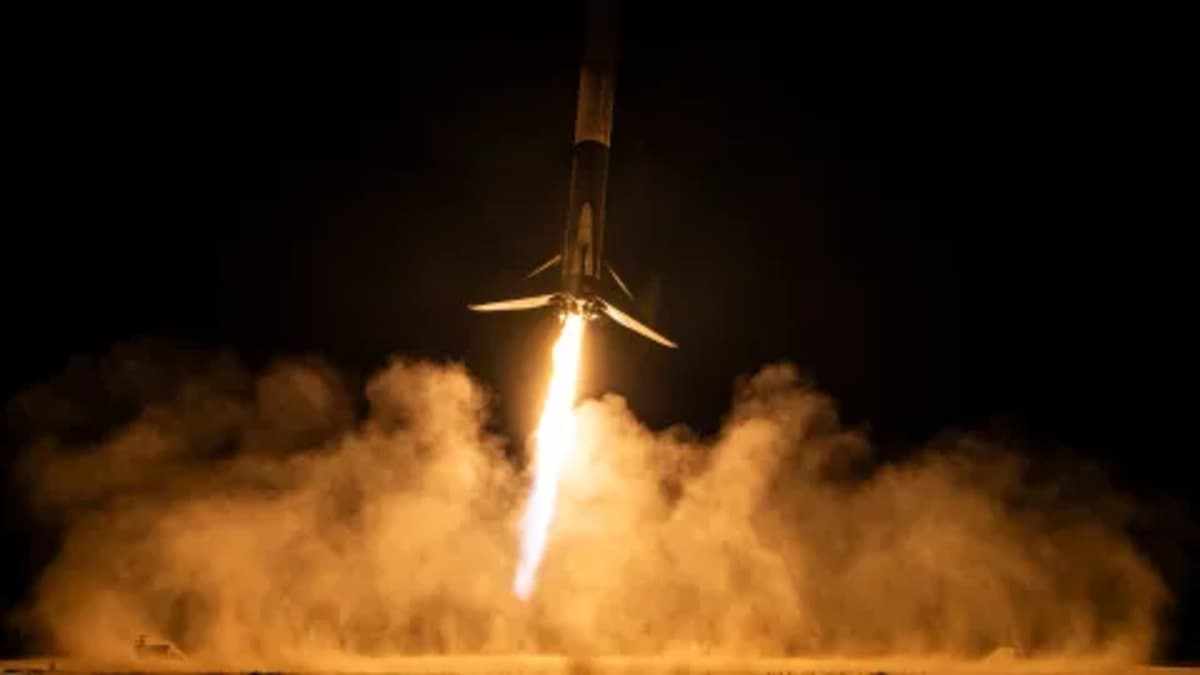
SpaceX Sets A New Reuse Record With The Falcon 9 Rocket
•February 28, 2026
0
Why It Matters
Each additional re‑flight dramatically cuts launch costs, accelerating satellite deployment and pressuring rivals to adopt similar reusable technologies. The expanded Starlink fleet strengthens SpaceX’s market share in global broadband services.
Key Takeaways
- •Falcon 9 booster reached 33 re‑flights, new reuse record.
- •Each reuse saves millions versus building new boosters.
- •Reusability accelerates affordable access for global space race.
- •Dual launch added 53 Starlink satellites, expanding coverage.
- •Competitors monitor SpaceX's upgrades to maintain lead.
Pulse Analysis
The Falcon 9’s 33rd re‑flight marks a pivotal point in the economics of spaceflight. Historically, launch costs were dominated by the expense of building a new first‑stage for each mission, often exceeding $60 million. By repeatedly refurbishing a single booster, SpaceX reduces marginal costs to a fraction of that figure, enabling more frequent launches and lower prices for commercial and governmental customers. This cost efficiency not only fuels the rapid growth of the Starlink broadband constellation but also creates a pricing benchmark that other launch providers must meet to stay competitive.
Reusability is reshaping the strategic landscape of the space industry. Agencies such as NASA and ESA are increasingly favoring launch contracts that incorporate reusable vehicles, recognizing the potential for faster cadence and budget flexibility. Meanwhile, rivals like Blue Origin and Rocket Lab are accelerating their own reusable programs, yet SpaceX’s iterative upgrades—ranging from enhanced landing legs to autonomous navigation—keep it ahead of the curve. The record‑breaking flight demonstrates that operational reliability can coexist with high launch frequency, a combination that is attracting new customers across telecommunications, Earth‑observation, and defense sectors.
Beyond the immediate financial implications, the expanded Starlink deployment has broader geopolitical ramifications. As the constellation nears global coverage, it offers a viable alternative to terrestrial broadband in underserved regions, influencing digital inclusion policies worldwide. Moreover, the demonstrated scalability of reusable rockets may lower barriers for emerging space nations seeking independent launch capabilities. In this environment, SpaceX’s continued innovation not only consolidates its market dominance but also accelerates the overall maturation of the commercial space ecosystem.
SpaceX Sets A New Reuse Record With The Falcon 9 Rocket
0
Comments
Want to join the conversation?
Loading comments...