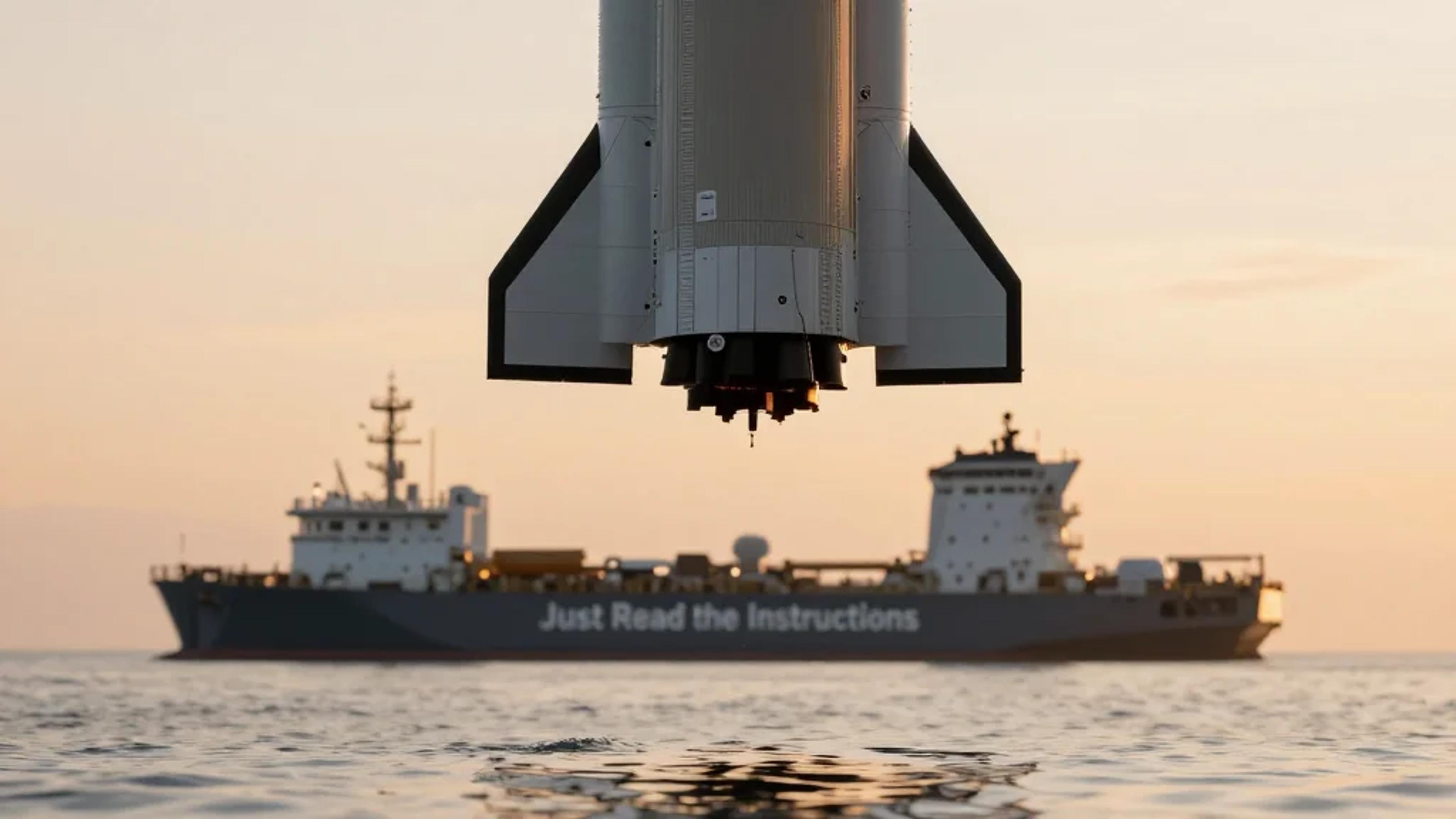
SpaceX Launch to Feature Rare Booster Landing in Bahamas
•February 20, 2026
0
Companies Mentioned
Why It Matters
The rare Bahamas landing showcases SpaceX’s expanding recovery envelope, opening new trajectory options and deepening the Caribbean’s role in commercial aerospace. It also signals resilience after the Starship debris incident, reinforcing confidence in reusable launch systems.
Key Takeaways
- •26th flight for this Falcon 9 booster
- •Landing off Bahamas second ever
- •95% chance of favorable launch weather
- •Boosters enable new orbital trajectories for Starlink
- •Collaboration paused after Starship debris incident
Pulse Analysis
SpaceX’s decision to land a Falcon 9 booster near the Bahamas reflects a strategic shift in recovery operations. By positioning the droneship Just Read the Instructions farther south, the company can capture higher‑energy return trajectories that would otherwise require more fuel for a return to land. This flexibility not only reduces turnaround time for the booster but also expands the orbital envelope for payloads, allowing tighter insertion windows for constellations like Starlink. Analysts view the move as a testbed for future missions that may demand unconventional landing zones to meet aggressive launch cadences.
For the Bahamas, the landing represents more than a spectacular sonic boom; it is an economic catalyst. Deputy Prime Minister Chester Cooper has highlighted the partnership as a gateway for the nation’s 400,000 residents to engage with the aerospace sector, potentially spurring tourism, education, and investment opportunities. The previous 2025 landing generated media attention and modest visitor influx, and the renewed collaboration—despite a temporary pause after a Starship debris incident—signals a commitment to long‑term engagement. Local authorities are preparing contingency plans to mitigate any acoustic impact while leveraging the event to promote the islands as a forward‑looking destination for high‑tech industries.
The broader launch ecosystem benefits from SpaceX’s relentless reuse cadence. With eleven launches on the Space Coast this year, the company’s ability to recover boosters in diverse maritime zones reduces reliance on traditional Atlantic recovery ships and frees up landing slots at Cape Canaveral. This operational elasticity supports NASA’s Artemis II timeline, as the agency conducts a wet dress rehearsal at Launch Pad 39‑B, and underscores the competitive pressure on rivals like United Launch Alliance. As reusable technology matures, the industry can expect more collaborative agreements with coastal nations, reshaping launch logistics and regional economic landscapes.
SpaceX launch to feature rare booster landing in Bahamas
Orlando Sentinel · February 20 2026
It will be business as usual for SpaceX when it tries to send up a rocket from the Space Coast Thursday night, but not so much for when the rocket comes back down.
A Falcon 9 on the Starlink 10‑36 mission with 29 Starlink satellites is aiming for liftoff from Cape Canaveral Space Force Station’s Space Launch Complex 40 at 8:41 p.m. near the end of a four‑hour launch window that runs through 9 p.m.
Space Launch Delta 45’s weather squadron forecasts a better than 95 % chance for good conditions at the launch site.
This will be the 26th flight of the first‑stage booster, which will aim for a recovery landing downrange on the droneship Just Read the Instructions stationed in the Atlantic off the coast of the Bahamas.
It will only be the second booster landing off the island nation, coming one year and one day since the first landing.
“There is the possibility that residents of and visitors to the Bahamas may hear one or more sonic booms during the landing, but what may be experienced will depend on weather and other conditions,” the company posted on its website.
Last year’s landing had the droneship parked in the Exuma Sound north of Exuma, south of Eleuthera and west of Cat Island.
“It puts us at the cutting edge of innovation,” said Chester Cooper, the Bahamas deputy prime minister for tourism, investments and aviation ahead of last year’s landing. “It gives us, a small country of 400,000 people, an opportunity to participate in the aerospace industry.”
SpaceX said at the time that the landing collaboration would allow it to hit new orbital trajectories.
The agreement, though, was paused after debris from a Starship launch from Texas that went awry last March threatened the nation’s islands.
SpaceX normally lands Falcon 9 boosters on its droneships farther north in the open Atlantic or back at Cape Canaveral for land recoveries. The company used its new Landing Zone 40 adjacent to the SLC‑40 launch pad during the Crew‑12 launch last week.
This would be the 11th launch on the Space Coast this year, with SpaceX responsible for all but one of them. United Launch Alliance flew the other with its Vulcan rocket.
The launch comes alongside NASA’s wet dress rehearsal for the Artemis II mission, with teams running through a simulated countdown for the moon mission at Kennedy Space Center’s Launch Pad 39‑B. If the test goes well, NASA could aim for the historic launch as early as March 6.
0
Comments
Want to join the conversation?
Loading comments...