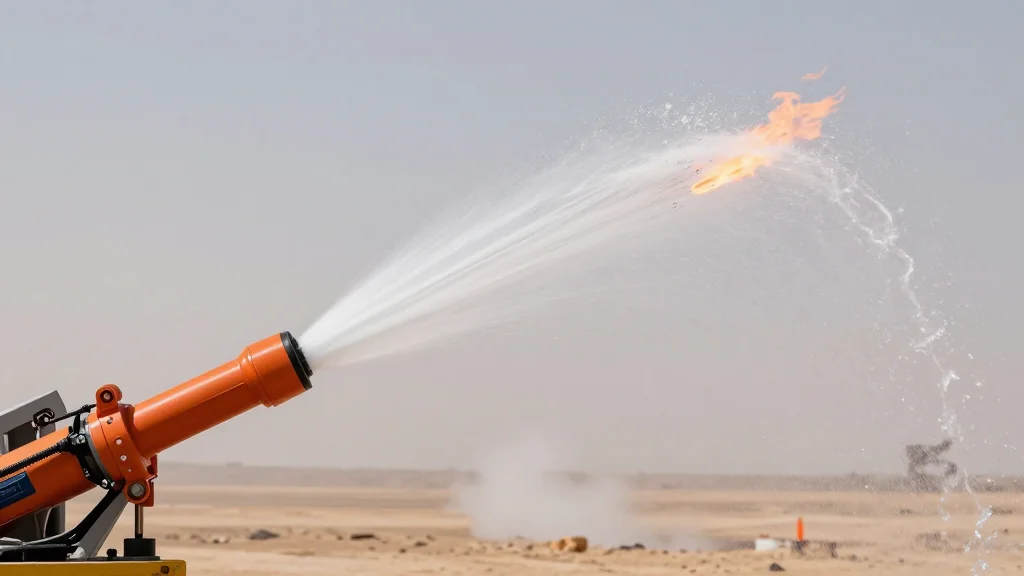
SpaceX Water‑deluge Test Sparks Explosion, Delaying Starship Launch

Why It Matters
The water‑deluge system is a linchpin for Starship’s reusability and launch‑pad longevity. An uncontrolled explosion not only jeopardises the immediate test schedule but also raises questions about the readiness of the infrastructure needed for high‑frequency, heavy‑lift missions. Delays could ripple through NASA’s Artemis program, which counts on Starship for lunar cargo, and could affect SpaceX’s upcoming public stock offering, slated for later this year. Furthermore, the incident highlights the tension between rapid development cycles and community concerns in South Texas. As SpaceX pushes toward a higher launch cadence, ensuring reliable ground‑support systems will be critical to maintaining regulatory approvals and local goodwill.
Key Takeaways
- •Explosion occurred during a water‑deluge test on May 3, 2026 at Starbase, Texas
- •System designed to spray up to 350,000 gallons of water per Starship launch
- •Starship flight test 12, scheduled for May 12, now faces potential delay
- •Incident adds pressure amid lawsuits alleging sonic‑boom damage to nearby homes
- •SpaceX must repair deluge infrastructure before resuming launch‑pad operations
Pulse Analysis
SpaceX’s aggressive development cadence has always walked a tightrope between breakthrough performance and operational risk. The deluge‑system explosion is a textbook example of the ‘fail fast, learn fast’ mantra that has defined the company’s culture, but it also illustrates the diminishing margin for error as the hardware scales up. The Super Heavy booster’s 33 engines generate unprecedented acoustic and thermal loads, making the water‑deluge system not a convenience but a necessity for pad survivability. A malfunction at this stage suggests that the integration of high‑pressure fluid dynamics with the launch‑pad’s structural elements is still a work in progress.
From a market perspective, the incident could modestly dent investor confidence ahead of SpaceX’s anticipated equity offering. While the company’s valuation remains anchored by its satellite and launch services revenue, any perception of systemic safety gaps can influence pricing and demand for new shares. Moreover, the timing is delicate: NASA’s Artemis 4 cargo contract hinges on a reliable Starship, and any postponement could force the agency to seek alternative launch providers, eroding SpaceX’s strategic foothold in lunar logistics.
Looking forward, the key question is how quickly SpaceX can diagnose the failure mode and implement a robust fix. If the company can demonstrate a rapid turnaround and transparent communication, it will reinforce its reputation for engineering resilience. Conversely, prolonged delays or repeated ground‑support failures could embolden regulatory scrutiny and amplify community opposition, potentially slowing the company’s expansion plans in South Texas. The next few weeks will be decisive for both the Starship program’s schedule and SpaceX’s broader commercial trajectory.
SpaceX water‑deluge test sparks explosion, delaying Starship launch
Comments
Want to join the conversation?
Loading comments...