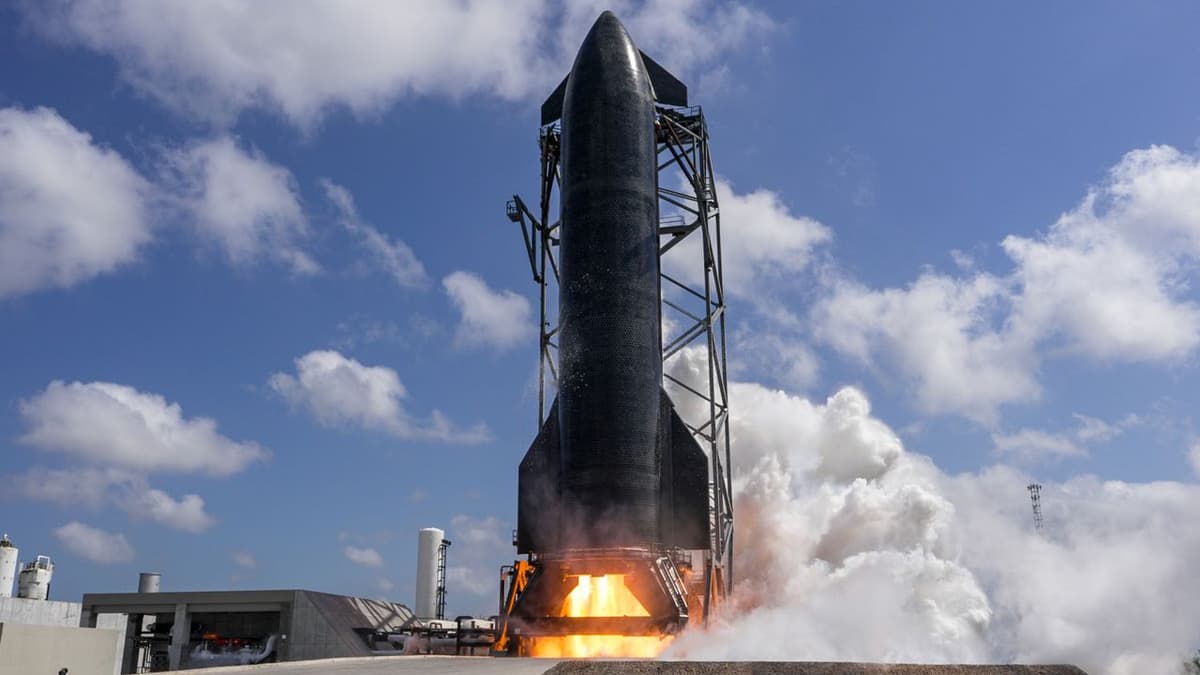
SpaceX's Starship V3 Megarocket Will Do Something Completely New on Flight 12 — Take a Good Look at Itself
Companies Mentioned
Why It Matters
Validating a reusable heat shield is essential for Starship to become the workhorse for Starlink expansion, NASA’s Artemis lunar missions, and future Mars endeavors, reshaping the commercial launch landscape.
Key Takeaways
- •Flight 12 introduces Starship V3 with upgraded heat‑shield tiles.
- •22 dummy Starlink satellites will be released, two act as inspectors.
- •In‑space imaging will assess reusable heat‑shield performance for future missions.
- •Super Heavy will perform autonomous splashdown, no tower catch attempted.
- •Successful heat‑shield validation moves Starship closer to Starlink and Artemis roles.
Pulse Analysis
SpaceX’s upcoming Flight 12 marks a pivotal milestone for the Starship program, introducing the V3 configuration that incorporates a denser array of hexagonal heat‑shield tiles and structural refinements. The V3 upgrades are designed to address the most persistent obstacle the vehicle has faced: tile loss during ascent and re‑entry. By fielding a more robust shield, SpaceX hopes to transition from costly post‑flight inspections to rapid turnaround, a capability that could slash launch costs and increase flight cadence.
The mission’s novel element is the deployment of two inspector satellites among a batch of 22 Starlink mass simulators. These miniature cameras will capture high‑resolution imagery of the heat‑shield surface while the vehicle is still in space, providing engineers with unprecedented data on tile adhesion and thermal performance. This in‑orbit diagnostics approach mirrors practices in aerospace manufacturing, where real‑time monitoring reduces the need for disassembly. Successful imaging would prove that a reusable orbital heat shield—something never achieved before—can be reliably inspected and maintained.
Beyond the technical demonstration, the test has strategic implications for the broader space economy. A validated reusable shield accelerates Starlink’s constellation build‑out, bolstering SpaceX’s broadband revenue stream. It also positions Starship as the primary launch system for NASA’s Artemis lunar lander and future Mars missions, potentially displacing legacy expendable rockets. Investors and policymakers are watching closely, as a proven reusable system could redefine launch pricing, stimulate competition, and expand access to deep‑space capabilities.
SpaceX's Starship V3 megarocket will do something completely new on Flight 12 — take a good look at itself
Comments
Want to join the conversation?
Loading comments...