Why It Matters
Interference threatens the accuracy of weather forecasts that underpin aviation, agriculture and disaster response, while spectrum decisions will shape the growth of global broadband constellations.
Key Takeaways
- •Satellite constellations increasing RFI on weather microwave bands
- •FCC proposes UMFUS bands, risking ATMS data integrity
- •NOAA plans study, protection, innovation, coordination, education
- •Light licensing could reduce interference safeguards for weather satellites
- •Growing demand for 37 GHz and 50 GHz spectrum intensifies conflict
Pulse Analysis
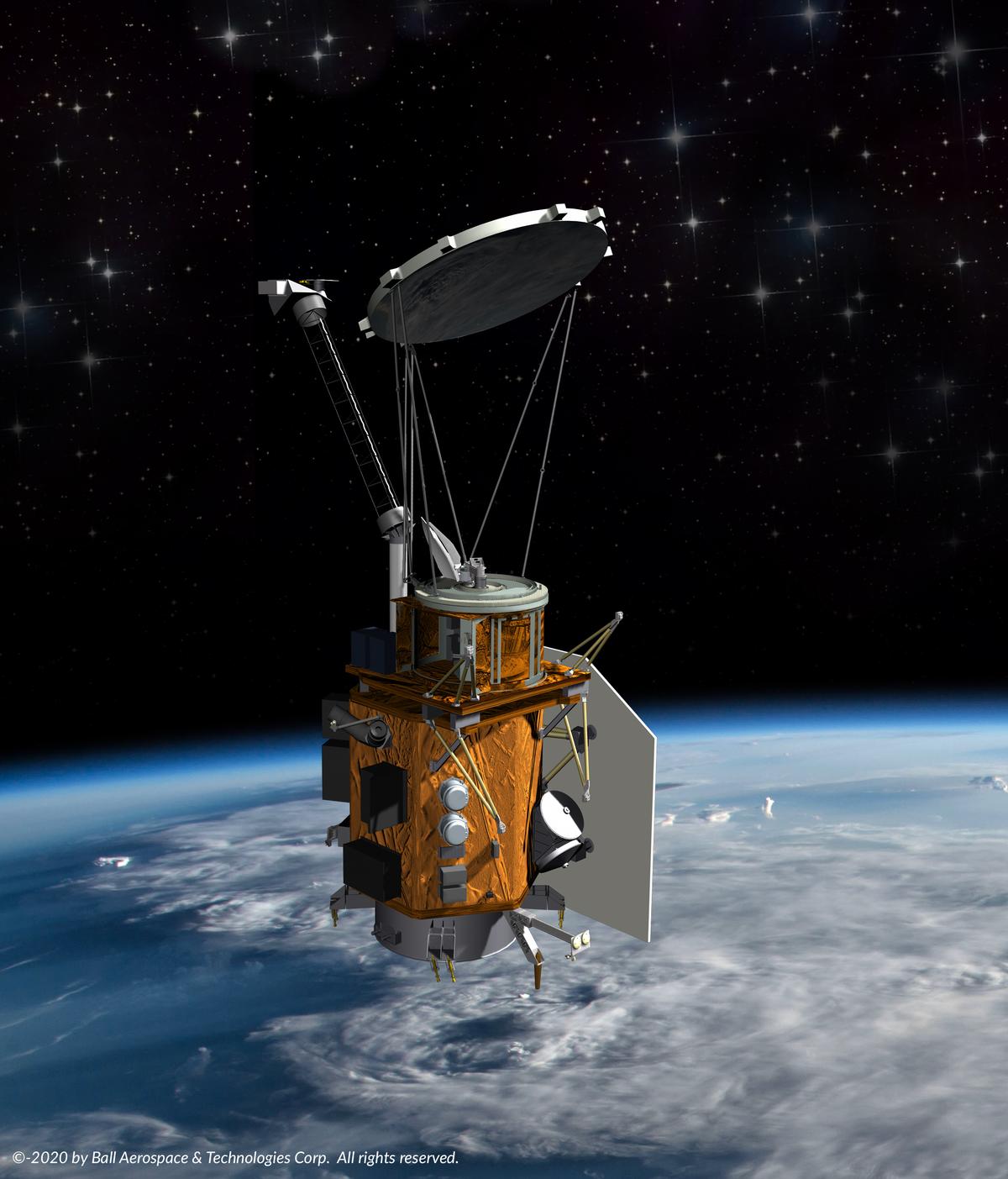
The surge in low‑Earth‑orbit communication constellations has turned spectrum into a high‑stakes battleground. Frequencies once reserved for passive microwave radiometers—critical for measuring atmospheric water vapor and precipitation—are now coveted by broadband providers seeking to expand 5G and future 6G services. As more than 6,000 satellites orbit Earth, the cumulative radio‑frequency noise rises, especially over densely populated regions where commercial traffic is heaviest. This trend forces regulators to balance the economic promise of ubiquitous connectivity against the scientific need for clean, interference‑free measurements.
Regulatory bodies such as the FCC are responding with proposals like the Upper Microwave Flexible Use Service (UMFUS) and a "light licensing" framework designed to accelerate satellite approvals. While these initiatives promise faster market entry and greater spectrum efficiency for telecom operators, they also risk diluting the safeguards that protect weather‑satellite sensors operating near 37 GHz and 50 GHz. Industry groups—including the National Weather Association and the American Geophysical Union—have voiced alarm that compromised ATMS data could degrade forecasts essential to aviation, agriculture, and emergency management, underscoring the high cost of unchecked interference.
NOAA’s multi‑step strategy reflects a pragmatic approach to this dilemma. By combining rigorous interference studies, targeted protection of vulnerable bands, investment in next‑generation resilient sensors, and coordinated outreach with federal agencies and international partners, NOAA aims to preserve the integrity of climate and weather observations. The agency’s emphasis on education seeks to bridge the knowledge gap between meteorologists and telecom engineers, fostering collaborative spectrum management ahead of the 2027 World Radio Conference. Successful implementation will be pivotal in ensuring that the expanding satellite communications ecosystem coexists with the critical infrastructure that safeguards lives and economies worldwide.
Spectrum showdown
0
Comments
Want to join the conversation?
Loading comments...