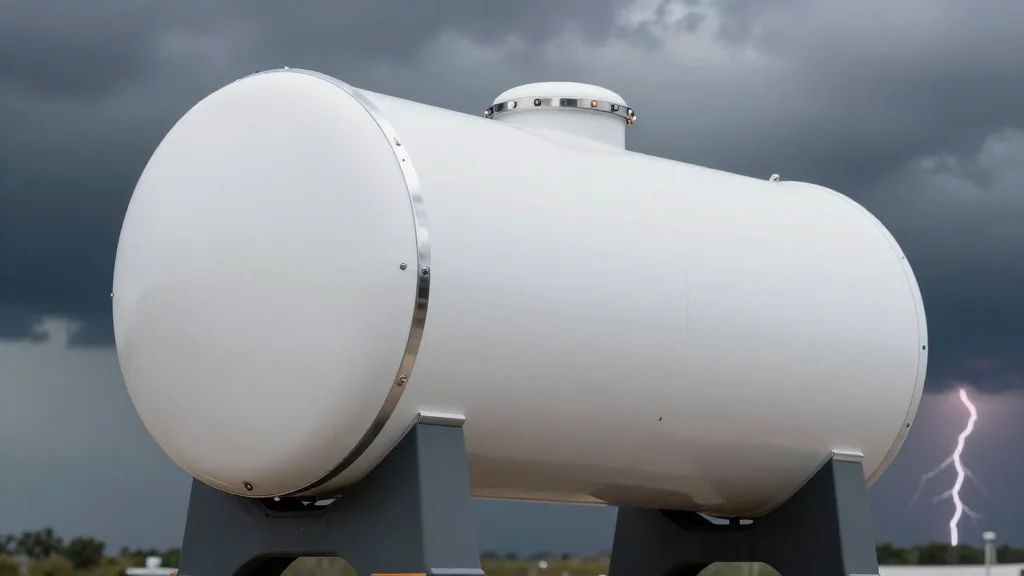
Stoke Space Successfully Completes All Tank Tests for 1st Stage of Its Nova Rocket
Companies Mentioned
Why It Matters
The test validates a fully reusable two‑stage architecture that could dramatically lower launch costs and expand access to orbit, challenging incumbent providers. It also signals that Stoke Space’s substantial funding is translating into tangible technical progress.
Key Takeaways
- •Nova first-stage tanks passed pressure tests beyond design limits
- •Automated pressure control succeeded across varied fill levels
- •Tests withstood hurricane-force winds and lightning storms
- •Full-stage success boosts launch timeline to 2024 year‑end
- •Reusable second-stage nozzle design could cut launch costs dramatically
Pulse Analysis
Stoke Space’s recent tank‑qualification campaign marks a pivotal milestone for its Nova launch system. By pushing both tanks above expected pressure limits and maintaining automated control across a spectrum of fill levels, the company demonstrated a level of structural confidence typically reserved for flight‑ready hardware. Surviving extreme weather—hurricane‑force winds and a severe lightning storm—further proves the integrated resilience of the vehicle’s hardware, software, and ground‑operations stack, reducing the risk profile that has plagued many nascent launch firms.
The Nova’s second‑stage innovation centers on a ring of peripheral nozzles embedded in the heat shield, a departure from the conventional central‑engine design. This configuration enables the stage to re‑enter and maneuver like a capsule, offering true reusability for both stages. If the concept scales, the ability to refurbish and relaunch the upper stage could slash per‑kilogram launch costs, making high‑value payloads such as orbital manufacturing modules more economical. Industry analysts see this as a potential game‑changer, especially for customers seeking frequent, low‑cost access to low Earth orbit.
Financially, Stoke Space’s $1.34 billion war chest provides the runway to iterate rapidly and target a first flight before the end of 2024. The company’s “launch when ready” philosophy, backed by substantial private capital, contrasts with competitors that set aggressive dates to attract investors. As the market watches for a successful debut, a proven reusable two‑stage system could reshape launch pricing dynamics, pressure incumbents to accelerate their own reusability roadmaps, and broaden the customer base beyond traditional satellite operators.
Stoke Space successfully completes all tank tests for 1st stage of its Nova rocket
Comments
Want to join the conversation?
Loading comments...