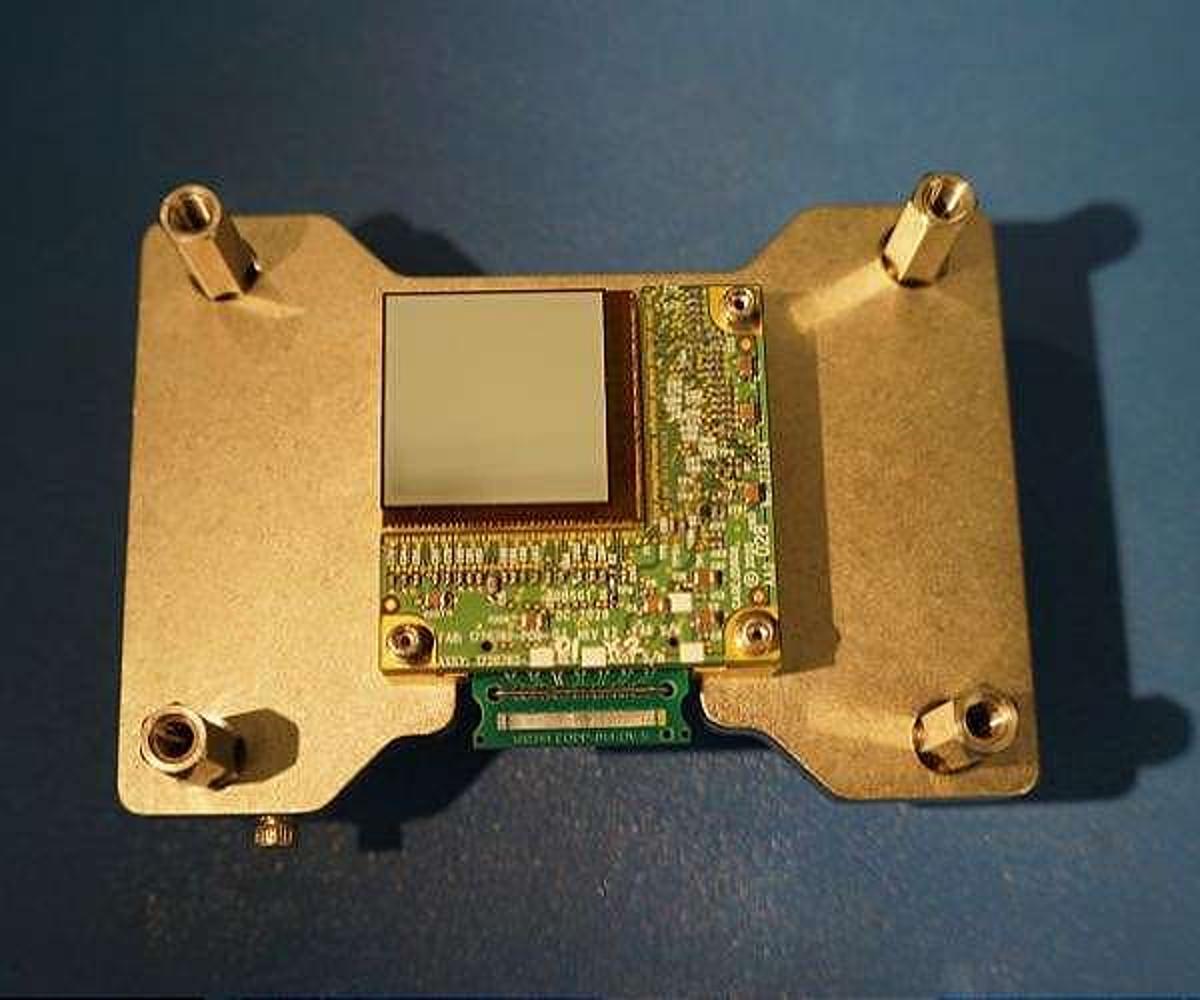
Teledyne Detector Arrays Power NASAs BlackCAT CubeSat X-Ray Mission
•January 22, 2026
0
Companies Mentioned

Why It Matters
The flight proves that advanced silicon imagers can power scientific CubeSats, opening new market opportunities for affordable space‑based X‑ray astronomy and expanding Teledyne’s presence in the commercial space sensor sector.
Key Takeaways
- •Speedster HyViSI arrays enable high‑resolution X‑ray imaging
- •BlackCAT CubeSat launched via SpaceX Twilight rideshare
- •Mission led by Penn State targets transient X‑ray sources
- •Teledyne's sensors prove viable for low‑cost space telescopes
- •Success may spur commercial demand for hybrid silicon imagers
Pulse Analysis
Teledyne Technologies’ Space Imaging division has long been a supplier of high‑performance focal‑plane arrays for scientific and defense applications. The latest offering, the Speedster HyViSI hybrid visible silicon imager, combines a deep‑depletion silicon substrate with on‑chip analog processing, delivering sub‑pixel resolution and rapid readout rates while maintaining low noise. By integrating this detector into a CubeSat‑class payload, Teledyne demonstrates that its silicon‑based technology can meet the stringent power, mass, and thermal constraints of nanosatellite platforms without sacrificing scientific fidelity. The detector’s radiation‑hard architecture also ensures reliable operation throughout the mission’s projected two‑year lifespan.
BlackCAT, short for Black Hole and Transient X‑ray Camera, is a 6U CubeSat built by a team at Pennsylvania State University. Launched on Jan. 11, 2026 aboard SpaceX’s Twilight rideshare, the satellite carries the Speedster HyViSI focal plane to monitor the sky for short‑lived X‑ray bursts, tidal‑disruption events, and black‑hole mergers. Its wide‑field optics and fast detector readout enable near‑real‑time alerts, filling a gap between large observatories and ground‑based monitors and providing valuable data for multi‑messenger astronomy. Data downlink will be scheduled through the NASA Deep Space Network, enabling rapid dissemination to the scientific community.
The successful deployment of Teledyne’s hybrid imager on BlackCAT signals a turning point for low‑cost astrophysics missions. As CubeSat bus designs mature, the ability to host high‑resolution X‑ray detectors expands the scientific return of nanosatellites, encouraging universities and commercial firms to pursue ambitious observation campaigns previously reserved for flagship platforms. For Teledyne, the flight validates its roadmap toward next‑generation silicon imagers, positioning the company to capture growing demand from both government and private space ventures seeking compact, high‑performance sensor solutions. Industry analysts predict that such sensor integration could reduce mission costs by up to 30 percent compared with traditional payloads.
Teledyne detector arrays power NASAs BlackCAT CubeSat X-ray mission
0
Comments
Want to join the conversation?
Loading comments...