Thales Alenia Space to Coordinate EROSS SC On-Orbit Servicing Project
Companies Mentioned
Why It Matters
The project puts Europe at the forefront of space‑robotics, addressing the urgent debris problem while opening a commercial market for satellite servicing and lifespan extension.
Key Takeaways
- •Thales Alenia Space leads €12 M (≈$13 M) EROSS SC contract.
- •Project targets first European robotic satellite rendezvous and refueling demo.
- •Mission will capture defunct satellite and guide controlled re‑entry.
- •Supports EU ISOS goal for sustainable in‑space operations by 2030.
- •Demonstrates technologies for future orbital servicing and debris mitigation.
Pulse Analysis
Europe’s push for sustainable space activity has gained momentum with the European Commission’s In‑Space Operations and Services (ISOS) programme. By 2030, ISOS aims to field a pilot mission that proves the viability of on‑orbit servicing, a capability that could dramatically extend satellite lifespans and reduce the growing risk of orbital debris. The initiative reflects broader policy shifts, as regulators and commercial players alike recognize that active debris removal and satellite refurbishment are essential for preserving the low‑Earth‑orbit environment that underpins global communications, navigation and Earth‑observation services.
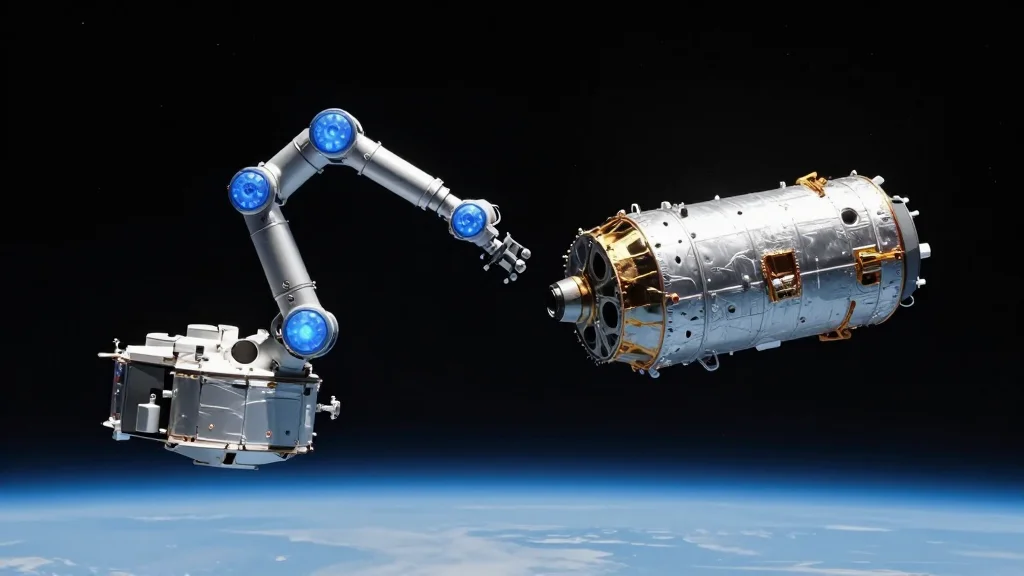
At the heart of this effort is Thales Alenia Space, selected to coordinate the EROSS SC (European Robotic Orbital Support Services – Servicing Component) project. Backed by a €12 million (approximately $13 million) contract, the venture will develop one of two spacecraft designed to execute automated rendezvous, capture, docking, refueling and payload‑exchange operations. The technology demonstration will culminate in a pre‑operational mission that captures an end‑of‑life satellite and guides it through a controlled atmospheric re‑entry, thereby eliminating a potential debris source. The timeline aligns with a 2030 target, giving engineers a clear roadmap for testing and integration within the broader ISOS architecture.
The implications for the aerospace industry are significant. Successful validation of robotic servicing will lower barriers for commercial entities to offer satellite life‑extension services, creating new revenue streams and reducing the need for costly replacement launches. Moreover, the project positions European firms as competitors to U.S. and Asian players in the emerging on‑orbit servicing market. Investors are likely to view the initiative as a catalyst for further funding in space‑robotics, while policymakers may cite it as a model for international collaboration on debris mitigation and sustainable space utilization.
Thales Alenia Space to coordinate EROSS SC On-Orbit Servicing project
Comments
Want to join the conversation?
Loading comments...