
Why It Matters
Orbital data centers could unlock a new, energy‑efficient compute layer that eases terrestrial power bottlenecks and reshapes the economics of AI services, creating a multi‑trillion‑dollar market opportunity.
Key Takeaways
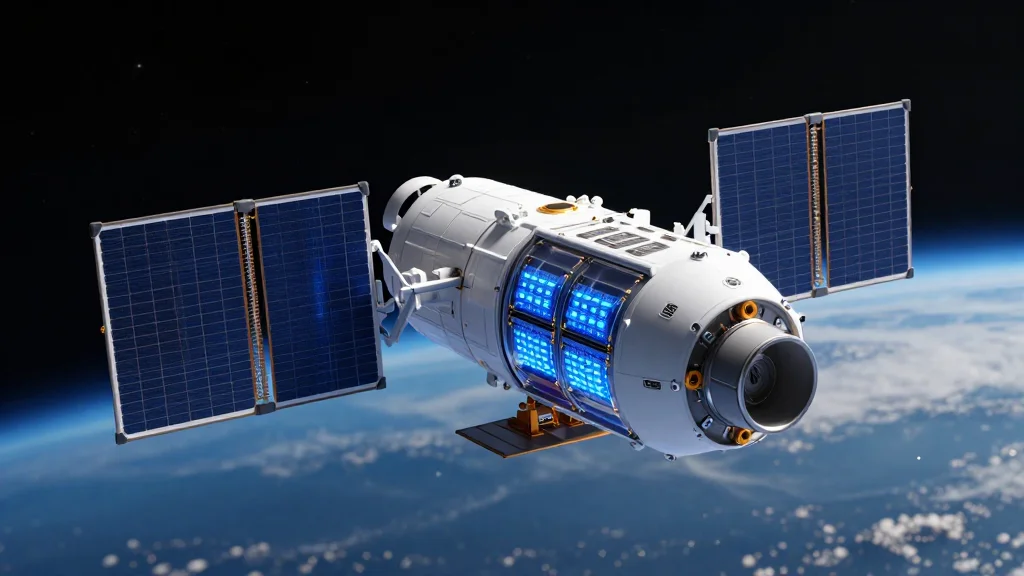
- •Starcloud's 1 kW satellite ran AI inference in orbit.
- •Next-gen 10 kW rack‑scale unit slated for launch within a year.
- •Target launch cost of $500/kg could make space compute cheaper than Earth.
- •Starcloud aims for 88,000 satellites delivering ~20 GW of inference capacity.
Pulse Analysis
The relentless growth of generative AI models is outpacing the ability of traditional data centers to secure new power supplies. In many regions, building large‑scale solar farms or expanding grid capacity faces lengthy permitting processes and land constraints, driving up costs and delaying deployments. By situating compute platforms in dawn‑dusk sun‑synchronous orbits, providers like Starcloud can harvest solar energy that is up to eight times more efficient per square metre than ground‑based panels, eliminating the need for batteries and reducing the capital outlay for cooling and power‑distribution infrastructure.
Technical challenges remain formidable. Radiation exposure forces the use of commercial chips that must be hardened through extensive testing, while heat must be rejected via radiators rather than convection, demanding large surface areas. Economic viability hinges on launch costs; at roughly $500 per kilogram, the per‑megawatt infrastructure expense could drop below $5 million, markedly lower than the $12‑15 million typical for terrestrial sites. Moreover, latency constraints limit applications to inference workloads tolerant of 50‑200 ms round‑trip times, making space‑based compute ideal for chat, search and video generation services rather than ultra‑low‑latency trading.
Looking ahead, Starcloud projects a $1 trillion annual capex market for orbital compute within the next decade, driven by AI’s expanding share of global compute demand. The company’s phased rollout—from a 1‑kW demonstrator to the 200‑kW Starcloud 3 and an eventual megaconstellation—positions it to capture early‑mover advantage and build a proprietary patent portfolio around radiators and modular satellite designs. While giants like SpaceX possess launch muscle, Starcloud’s focus on flexible, bare‑metal infrastructure and direct GPU‑time sales could make it the preferred partner for hyperscalers seeking rapid, scalable access to space‑based AI resources.
The case for data centers in space
Comments
Want to join the conversation?
Loading comments...