The Coming End of ISS, Symbol of an Era of Global Cooperation
•February 5, 2026
0
Companies Mentioned


Why It Matters
The ISS retirement marks a pivotal transition from state‑run to commercial space stations, reshaping funding models and international collaboration in low‑Earth orbit. It also sets the stage for how future treaties will govern emerging lunar and deep‑space activities.
Key Takeaways
- •ISS deorbit scheduled for 2030 via SpaceX vehicle.
- •End of three‑decade multinational cooperation in low Earth orbit.
- •China’s Tiangong will be sole orbital station post‑ISS.
- •Private firms like Axiom and Blue Origin plan commercial stations.
- •International space treaties face test with lunar base ambitions.
Pulse Analysis
The International Space Station has long stood as a tangible reminder that former rivals can unite around shared scientific goals. Conceived in the wake of the Cold War, the partnership between NASA, Roscosmos, ESA, JAXA and CSA turned a geopolitical rivalry into a collaborative laboratory orbiting 400 kilometres above Earth. Over 20,000 experiments and countless crew rotations cemented the ISS as a cultural and technological touchstone, influencing everything from materials science to medical research and inspiring a generation that watched it cross the night sky.
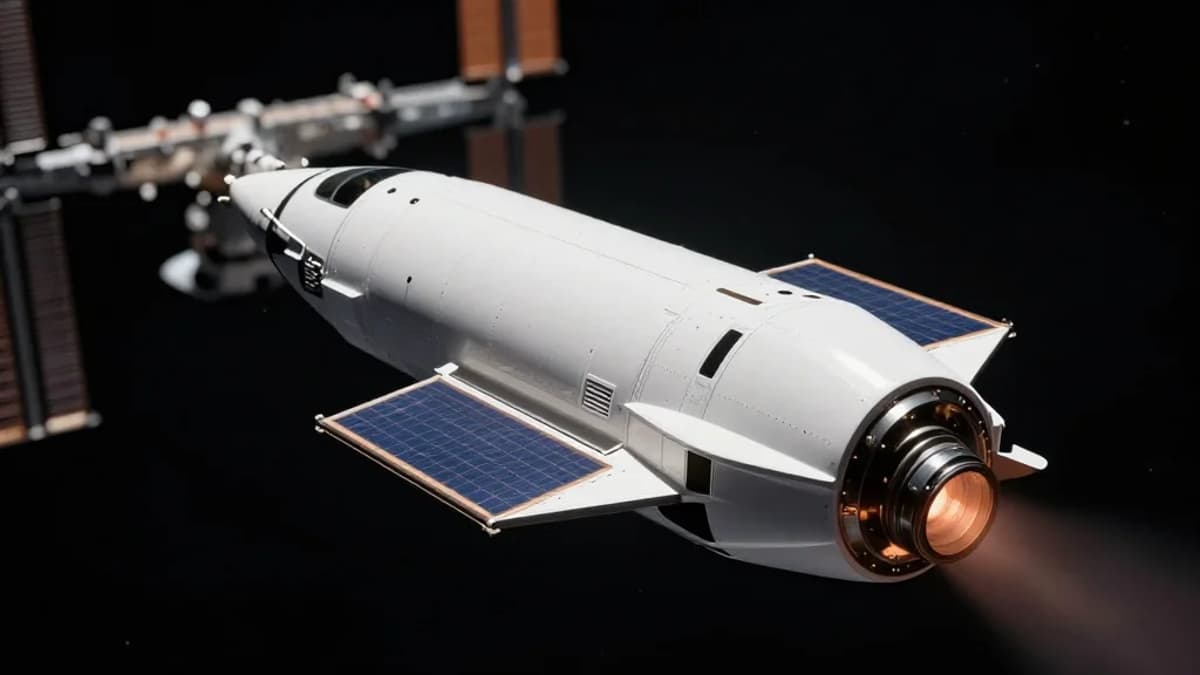
NASA’s recent contract with SpaceX to deliver a controlled de‑orbit vehicle reflects a pragmatic shift toward leveraging commercial expertise for legacy hardware. The chosen propulsion system will lower the station’s orbit and guide it to a remote Pacific impact zone, minimizing risk to populated areas. This approach not only reduces costs but also demonstrates confidence in private‑sector capabilities that were once the exclusive domain of national agencies. Simultaneously, companies like Axiom Space and Blue Origin are racing to launch private habitats, promising faster turnaround times, modular designs, and new revenue streams from tourism, research, and manufacturing.
Looking ahead, the orbital landscape will be reshaped by a blend of government and commercial actors. China’s Tiangong will become the sole state‑run platform, while the United States leans on private stations to maintain a low‑Earth orbit presence. This dual model raises questions about the future of international space law, especially as the U.S. and China pursue lunar bases. Existing treaties may need revision to address ownership, resource extraction, and safety standards in an increasingly crowded and commercialized space environment.
The coming end of ISS, symbol of an era of global cooperation
0
Comments
Want to join the conversation?
Loading comments...