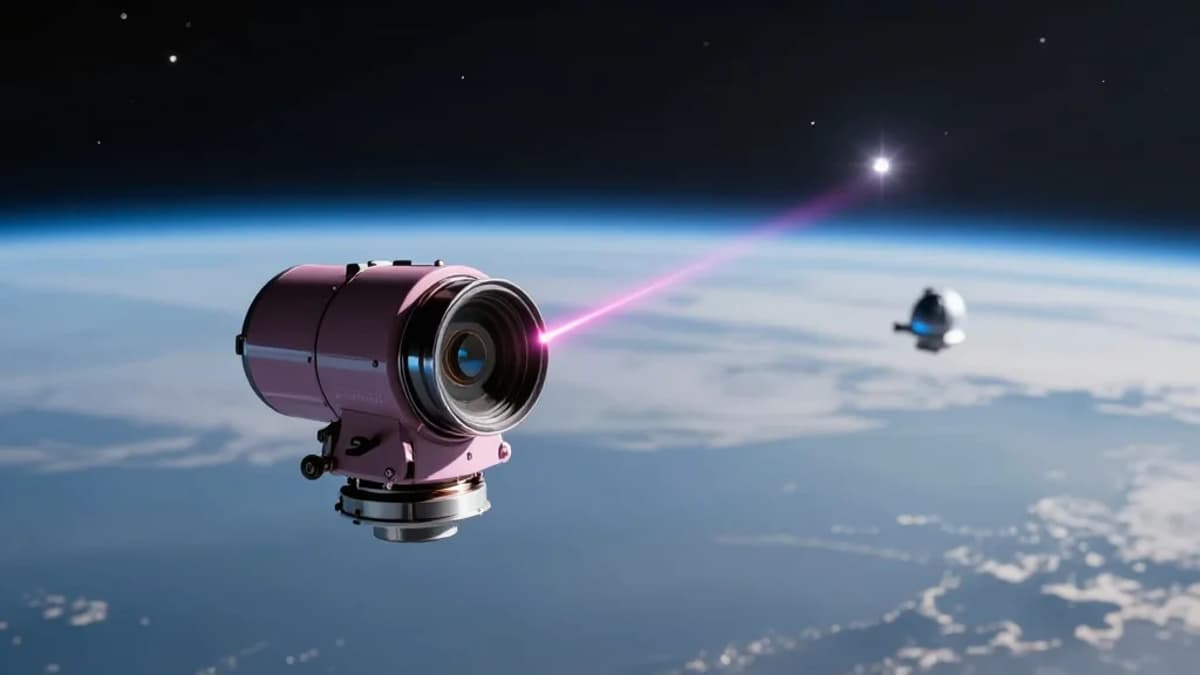
The First Orbiting Private Space Telescope Releases “First Light” Image
•March 4, 2026
0
Why It Matters
Mauve proves that compact, privately funded telescopes can produce valuable scientific data, reshaping the economics of space astronomy and accelerating private investment in future missions.
Key Takeaways
- •Mauve captured first UV spectrum of eta Ursae Majoris.
- •5‑inch mirror offers space‑based clarity surpassing ground telescopes.
- •Subscription model already signed up ~12 universities.
- •Demonstration aims to fund larger 18‑inch Twinkle telescope.
- •Private astronomy could shift industry from government to commercial.
Pulse Analysis
The launch of Mauve marks the first time a privately owned telescope has operated in orbit, delivering a ‘first‑light’ image that rivals ground‑based facilities despite its modest 5‑inch primary mirror. By staying above Earth’s turbulent atmosphere, Mauve captures ultraviolet spectra with a clarity that even larger terrestrial instruments cannot match. The initial target, eta Ursae Majoris, produced a clean five‑second exposure that the team juxtaposed with Hubble’s data, illustrating how a compact platform can still generate scientifically valuable measurements. This achievement demonstrates that size alone no longer dictates observational relevance.
Blue Skies Space has built a commercial model around the telescope, offering the raw data to researchers for a subscription fee. Within weeks of the first light, nearly a dozen universities signed up, signaling strong demand for affordable space‑based observations. Revenue from these subscriptions is earmarked for the next phase: Twinkle, an 18‑inch telescope that will expand spectral coverage and imaging depth. By leveraging early‑stage cash flow, the company hopes to avoid traditional government contracts, positioning itself to raise private capital and accelerate development cycles typical of the tech sector.
The success of Mauve may herald a broader shift in how astronomical infrastructure is funded and operated. Historically, large observatories were government‑driven, but the emerging private‑sector paradigm promises faster innovation, diversified data markets, and lower entry barriers for academic institutions. If Twinkle and subsequent larger platforms deliver on their promises, commercial space telescopes could become a staple of the research ecosystem, fostering competition that drives down costs and spurs new scientific collaborations. Investors are watching closely, as the blend of cutting‑edge optics and subscription‑based revenue models could redefine the economics of space science.
The first orbiting private space telescope releases “first light” image
0
Comments
Want to join the conversation?
Loading comments...