Companies Mentioned

NASA
Why It Matters
Orbit‑based factories could lower barriers for high‑value, low‑volume goods, reshaping supply chains for advanced materials and life‑saving drugs. Their success will influence investment, policy, and the future of manufacturing beyond Earth.
Key Takeaways
- •Microgravity improves fiber‑optic quality
- •Space‑for‑Earth manufacturing currently viable for niche products
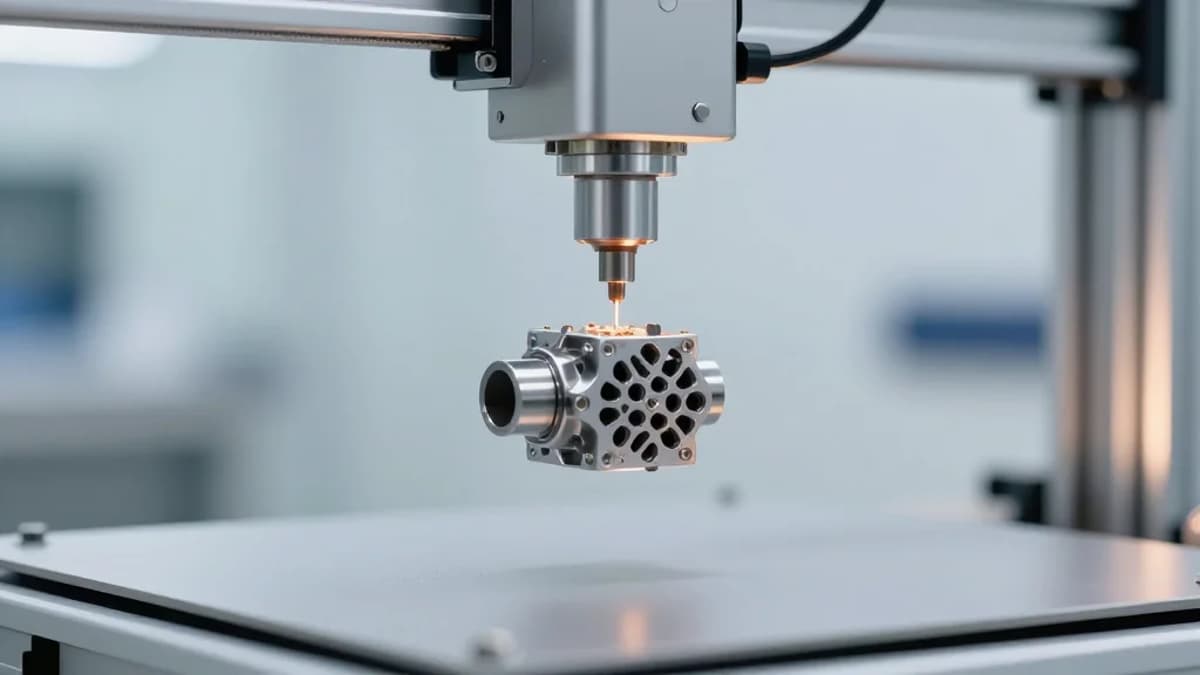
- •AI enables automated in‑orbit 3D printing
- •Economic scale remains challenge for mass production
- •Regulatory and debris concerns hinder industry growth
Pulse Analysis
The allure of manufacturing beyond Earth stems from three natural advantages: vacuum, low temperature, and microgravity. In a weightless environment, fluid dynamics differ dramatically, allowing crystals and polymers to grow without convection‑induced defects. This leads to superior optical fibers and enables experiments with tissue cultures that would be prohibitively expensive on Earth. Companies are capitalising on these conditions, positioning orbital factories as specialized production lines for high‑margin, low‑volume items rather than mass‑market commodities.
Current commercial pilots illustrate the niche focus. The International Space Station already hosts experiments that spin ultra‑pure glass and draw fiber‑optic cables with fewer impurities, promising faster data transmission back on Earth. Start‑ups like Varda have demonstrated that biologics, such as an HIV medication, can be synthesized in orbit and safely returned, bypassing costly clean‑room infrastructure. These early successes validate the hypothesis that space‑for‑Earth manufacturing can address supply‑chain bottlenecks for critical, high‑value products, though scaling remains a financial hurdle.
Looking ahead, the sector’s trajectory hinges on automation, AI‑driven process control, and a coherent regulatory regime. Advanced robotics can reduce crew involvement, while machine‑learning models optimise print parameters in real time, mitigating the risk of failed builds. However, the industry must confront persistent challenges: the expense of launch and retrieval, the accumulation of orbital debris, and ambiguous tax and liability frameworks. As governments and private investors grapple with these issues, the next decade will determine whether orbiting factories become a strategic asset for high‑tech supply chains or remain a scientific curiosity.
The orbiting factories of the future
0
Comments
Want to join the conversation?
Loading comments...