The Present State of India’s Space Program
Why It Matters
Repeated PSLV failures jeopardize India’s ambitious lunar, Venus and crewed missions, risking schedule slips and investor confidence. The lack of transparency in the annual report undermines stakeholder trust and could affect international partnerships.
Key Takeaways
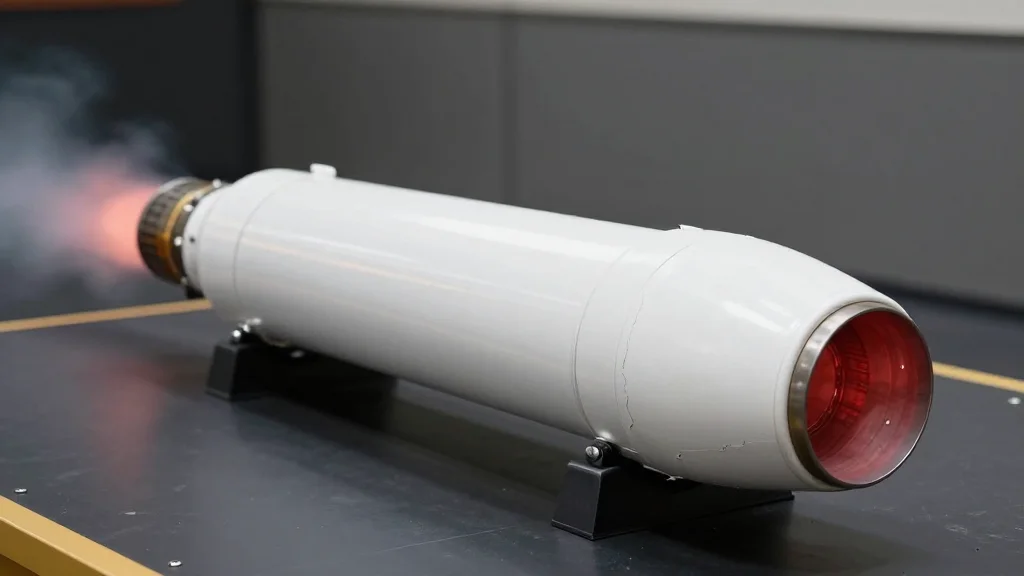
- •PSLV upper-stage HPS3 motor tests failed to prevent January 2026 launch loss
- •Chandrayaan‑4 slated for Oct 2027, but schedule likely to slip further
- •Venus orbiter planned for Mar 2028 amid ongoing launch reliability concerns
- •Gaganyaan unmanned test delayed as ISRO prioritizes fixing PSLV failures
- •Annual report omits recent launch failure, raising transparency questions
Pulse Analysis
India’s space program has long been a source of national pride, with the PSLV serving as the workhorse for satellite deployments and interplanetary missions. The agency’s recent claim of successful static tests on the HPS3 upper‑stage motor was quickly contradicted by a second launch failure in January 2026, exposing a gap between reported progress and operational reality. This discrepancy not only stalls upcoming missions but also raises questions about ISRO’s internal quality‑control processes, especially as global customers scrutinize reliability before committing payloads.
The planetary schedule outlined in the annual report is ambitious: Chandrayaan‑4 aims for a lunar sample‑return in October 2027, a Venus orbiter follows in March 2028, and the Chandrayaan‑5/LUPEX lander targets September 2028. Historically, Indian missions have faced delays, and the recent PSLV setbacks are likely to push these dates further out. Delays erode competitive advantage in the crowded lunar‑and‑planetary exploration market, where agencies like NASA, ESA, and private firms vie for leadership and funding. Each slip also impacts downstream industries, from satellite manufacturers to scientific research institutions that depend on timely data.
The Gaganyaan crewed‑flight initiative, touted as India’s first human spaceflight, now appears to be on hold while ISRO resolves the PSLV issue. The annual report’s omission of the January failure signals a transparency gap that could affect both domestic confidence and international collaboration. Investors, policymakers, and potential partners increasingly demand clear risk assessments; without them, ISRO may find it harder to secure the financial and technical support needed to keep its roadmap on track. Addressing launch reliability and improving reporting practices will be crucial for maintaining India’s growing stature in the global space economy.
The present state of India’s space program
Comments
Want to join the conversation?
Loading comments...