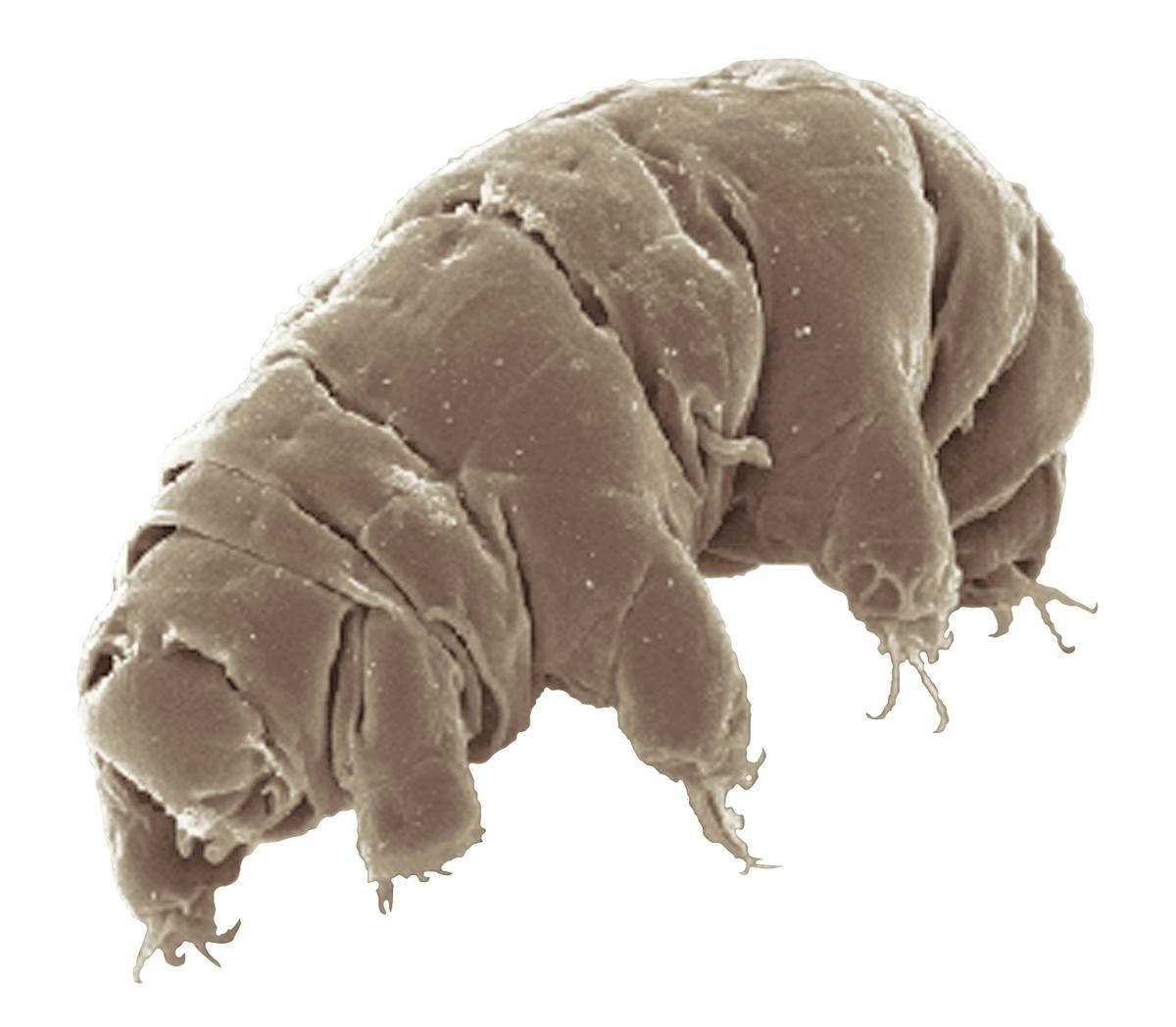
The Toughest Animals in the Universe Just Got a New Job
•March 1, 2026
0
Why It Matters
The findings reveal a natural barrier against Earth contamination on Mars, yet also show that simple water treatment could enable regolith processing for food production, directly influencing colonization strategies and bio‑security protocols.
Key Takeaways
- •Tardigrades survive in simulated Martian regolith MGS-1 poorly
- •Rinsing regolith with water restores tardigrade activity
- •Toxic component likely soluble salts in Martian soil
- •Findings impact planetary protection and in‑situ resource utilization
- •Water scarcity challenges large‑scale soil washing on Mars
Pulse Analysis
Tardigrades have long fascinated scientists for their ability to endure extreme conditions, from vacuum to radiation. By introducing these micro‑animals into two types of simulated Martian soil, Penn State researchers turned a resilience test into a probe of the Red Planet’s habitability. The stark contrast between the MGS‑1 simulant, which crippled tardigrade movement within days, and a milder variant highlighted that not all regolith is equally hostile, pointing to specific chemical agents that threaten terrestrial life.
The breakthrough came when a simple water rinse restored tardigrade vitality in the MGS‑1 sample. This suggests that soluble salts or similar compounds are the primary toxins, and that water can neutralize them. From a planetary protection standpoint, the innate toxicity offers a natural safeguard against forward contamination, reducing the risk of Earth microbes colonizing Mars. Conversely, the ease of mitigation raises the prospect of deliberately treating regolith to support bioregenerative life support systems, a key component of sustainable human presence.
However, water is an extremely scarce resource on Mars, making large‑scale soil washing a logistical challenge. Future missions will need to balance the benefits of soil detoxification against the energy and water costs of processing. Ongoing research aims to isolate the exact toxic constituents, develop low‑water remediation techniques, and assess how treated regolith could support plant growth. These insights will shape both the scientific protocols for protecting extraterrestrial ecosystems and the engineering designs for in‑situ resource utilization, bringing humanity a step closer to viable Martian colonization.
The Toughest Animals in the Universe Just Got a New Job
0
Comments
Want to join the conversation?
Loading comments...