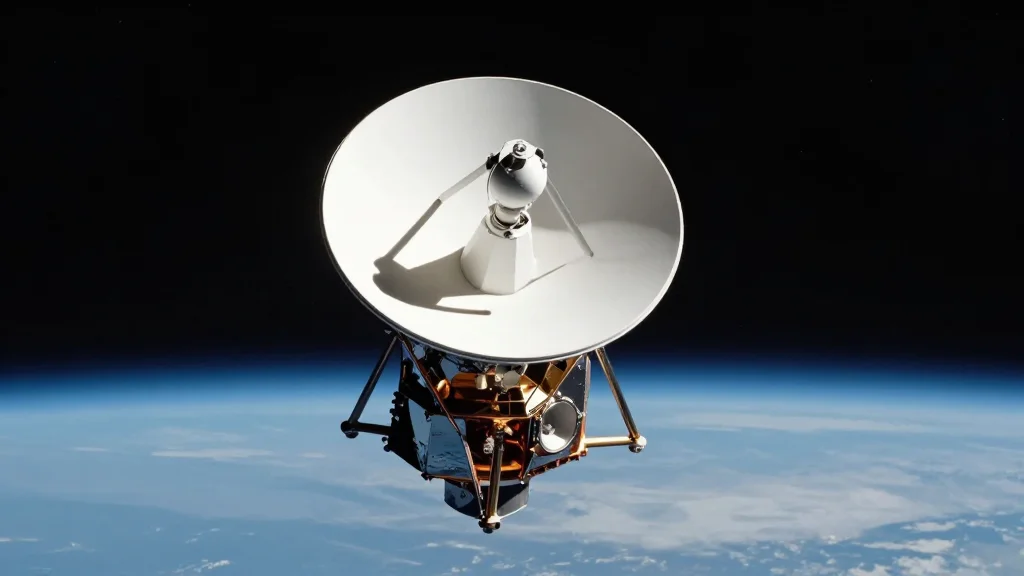
The Two Voyager Probes Are Slowly Running Out of Power, and the Engineers Keeping Them Alive Are Now Making the Hardest Decisions of the Mission: Which Scientific Instruments to Switch Off Next, Knowing Each Command May Silence a Piece of Interstellar Science Forever.
Why It Matters
The power‑limited shutdowns dictate how much new data about the local interstellar medium can be gathered before the missions end, directly affecting the only long‑term in‑situ observations of interstellar space. Extending even a single instrument’s life could reshape models of heliosphere‑interstellar interactions for decades.
Key Takeaways
- •Voyager 1 now runs only magnetometer and plasma wave instrument
- •Voyager 2 will drop Cosmic Ray Subsystem, leaving two instruments
- •Engineers follow a pre‑approved priority list to preserve interstellar science
- •“Big Bang” power‑swap test may extend science to 2030s
- •Engineering telemetry could persist until ~2036 after science ends
Pulse Analysis
The Voyager spacecraft rely on radioisotope thermoelectric generators (RTGs) whose output declines by about 4 watts per year, a rate that forces the mission team to make hard choices about which instruments stay online. Since the planetary flybys concluded in 1989, the probes have gradually shed ten original science packages, each shutdown consuming precious power but also extending overall mission longevity. Recent commands—such as Voyager 1’s Low‑Energy Charged Particle instrument in April 2026—illustrate the procedural cadence: a command is sent, travels 20‑23 hours, and the instrument is permanently powered down.
The remaining instruments—magnetometer and Plasma Wave Subsystem—were selected for their unique ability to probe the magnetic field and plasma density of the local interstellar medium, data that no other mission can replicate at present. This priority list, crafted by scientists and engineers years ago, ensures that the most scientifically valuable measurements survive the power crunch. By focusing on these two sensors, Voyager continues to deliver real‑time insights into how the Sun’s heliosphere interacts with the surrounding galactic environment, informing models of cosmic ray propagation and magnetic turbulence.
Looking ahead, NASA’s “Big Bang” power‑swap initiative could replace aging components with lower‑consumption alternatives, potentially keeping at least one instrument operational into the 2030s. Voyager 2 will test the procedure in mid‑2026, with Voyager 1 slated to follow if successful. Even after scientific data cease, engineering telemetry may still reach Earth until roughly 2036, offering a final window into the spacecraft’s health. The outcome of these decisions will shape the last chapter of humanity’s longest‑running deep‑space exploration effort.
The two Voyager probes are slowly running out of power, and the engineers keeping them alive are now making the hardest decisions of the mission: which scientific instruments to switch off next, knowing each command may silence a piece of interstellar science forever.
Comments
Want to join the conversation?
Loading comments...