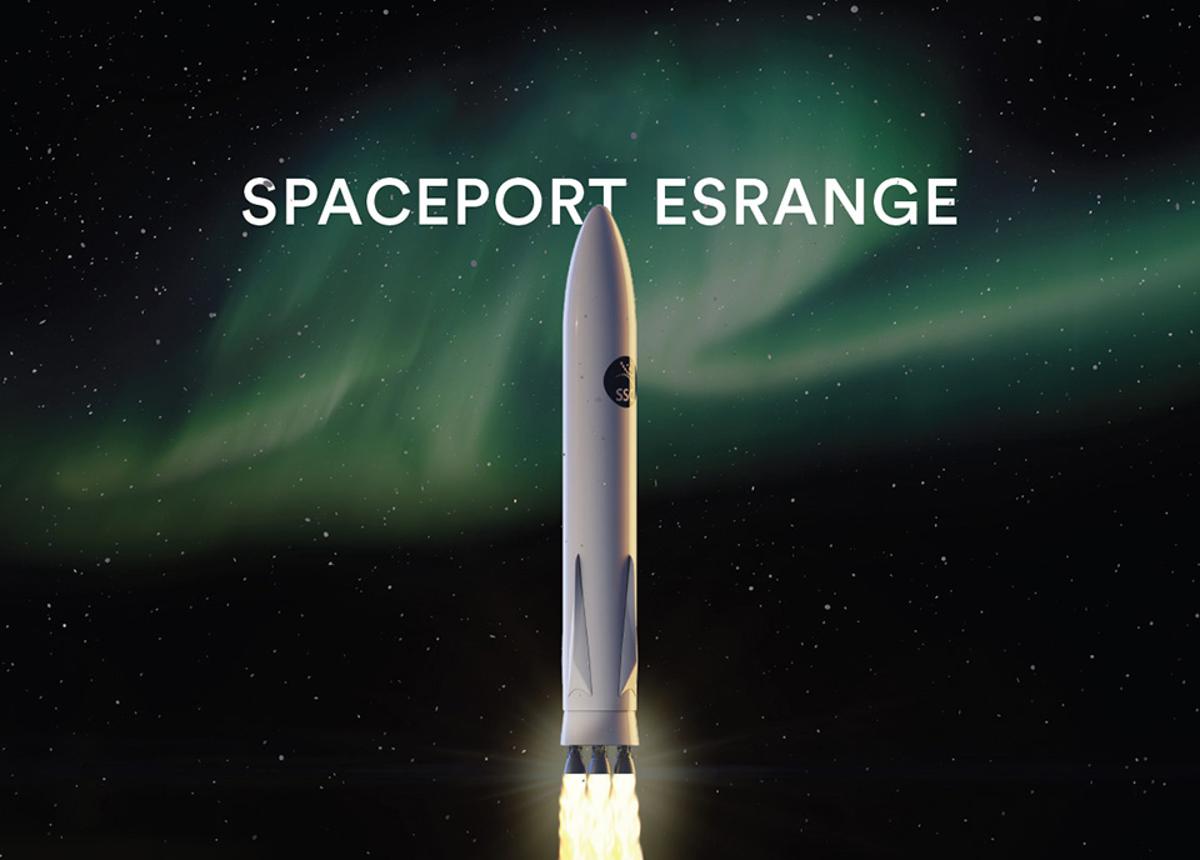
Twelve Scientific Payloads Experience Microgravity Aboard SubOrbital Express-5
Why It Matters
The flight demonstrates the growing utility of suborbital platforms for rapid, cost‑effective microgravity research, accelerating breakthroughs in aerospace materials, health, and habitat design. It also underscores Europe’s strategic investment in collaborative space science, positioning the region as a hub for next‑generation experiments.
Key Takeaways
- •Twelve experiments received over six minutes of microgravity at 260 km altitude
- •ESA funded several payloads, highlighting European commitment to suborbital research
- •Materials study aims to create lighter alloys for transport and medical implants
- •Radiation shielding test could enable basalt‑fiber habitats for lunar bases
Pulse Analysis
Suborbital sounding rockets like SSC Space’s SubOrbital Express series have become a cornerstone of low‑cost microgravity access, filling the gap between ground‑based simulators and orbital missions. The program’s longevity—17 flights since 1987—reflects a mature operational model that offers predictable launch windows, rapid payload integration, and relatively modest budgets. As commercial spaceflight matures, these vehicles provide universities, startups, and government agencies a viable pathway to validate technologies before committing to expensive orbital platforms, driving a more iterative innovation cycle.
The Express‑5 payload roster illustrates the breadth of scientific inquiry now possible in a six‑minute weightless window. Ireland’s XRMON Mg‑µg experiment probes magnesium alloy crystallization, targeting lighter, bioresorbable implants for medical use. Meanwhile, the CARISPACE study examines immune‑cell genome remodeling, a critical step toward safeguarding astronaut health on long‑duration missions. The SATypus ONE test of basalt‑fiber composites addresses radiation protection and in‑situ resource utilization, key challenges for lunar habitat construction. SPARK‑01’s autonomous cancer‑biology workflow showcases how space can accelerate biomedical research, potentially shortening drug‑development timelines.
The broader impact extends beyond academia. European Space Agency backing signals a coordinated policy push to keep Europe competitive in the burgeoning suborbital market, encouraging cross‑border collaborations and shared infrastructure. Successful payload recovery and data generation can attract private investors seeking to commercialize space‑derived materials or health technologies. As the industry eyes deeper exploration, the ability to quickly iterate on materials, shielding, and biological models on suborbital flights will likely become a strategic differentiator for nations and companies alike.
Twelve Scientific Payloads Experience Microgravity Aboard SubOrbital Express-5
Comments
Want to join the conversation?
Loading comments...