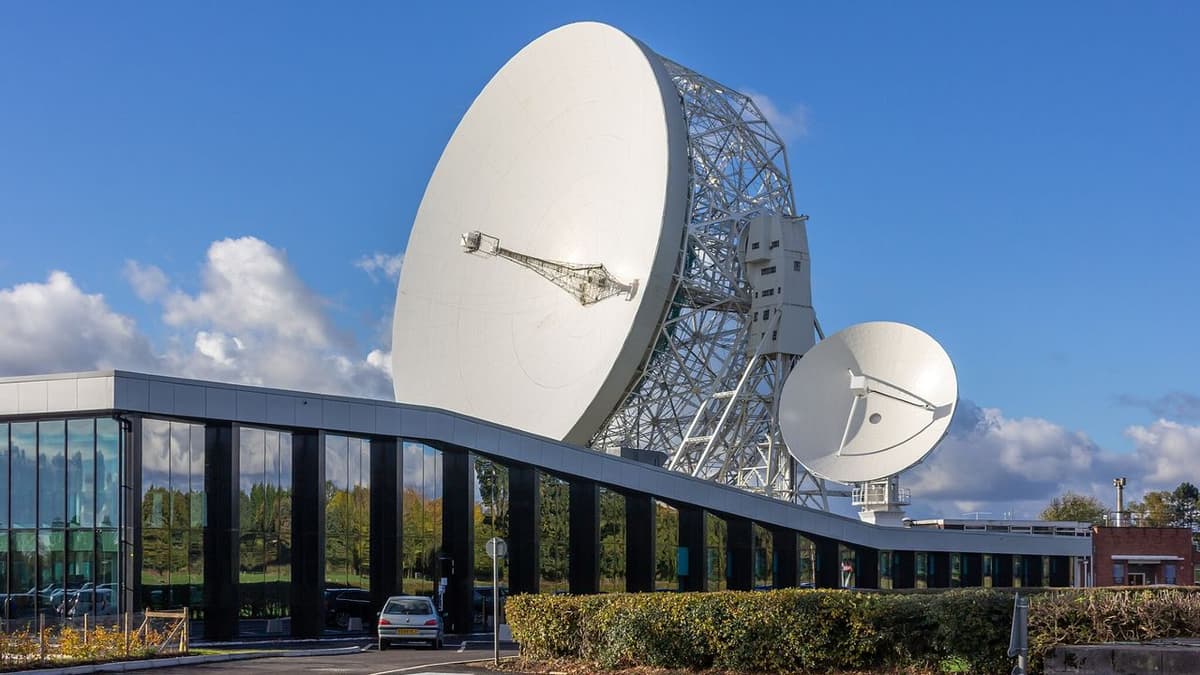
UK Government Proposes 30% Budget Cut to Astronomy and Physics Research: 'It's Pretty Disastrous'
•February 6, 2026
0
Companies Mentioned

Science and Technology Facilities Council

UK Research and Innovation
Square Kilometre Array Observatory

European Southern Observatory

European Space Agency

Institute of Physics

Engineering and Technology

LiveScience

Professional Engineering Inspections

Via Satellite

SpaceNews
Why It Matters
The cuts could erode the UK’s standing as a leading space‑science hub and undermine the talent pipeline essential for future innovation and high‑tech industry growth.
Key Takeaways
- •30% funding cut to UK astronomy, particle, nuclear physics
- •Cuts threaten SKA and ESO data exploitation
- •Early‑career researchers face job losses
- •UK’s global astronomy ranking could slip
- •Shift reflects defence and AI funding priorities
Pulse Analysis
The United Kingdom has long leveraged its world‑class observatories and particle facilities to attract international collaborations and drive scientific breakthroughs. Recent budget statements from UKRI show overall research spending edging toward £10 billion, yet targeted programmes in astronomy and physics are slated for a steep 30% slash after an earlier 15% reduction. This paradox highlights a policy tension: while the government touts a commitment to research, it is simultaneously pruning the very disciplines that underpin high‑value data streams and technology transfer.
The immediate fallout will be felt in flagship projects such as the Square Kilometre Array and the European Southern Observatory, where UK institutions contribute both capital and expertise. Reduced funding means fewer staff to process petabytes of observational data, limiting the nation’s scientific output and its leverage in future governance of these consortia. Moreover, the cuts disproportionately affect PhD students and post‑doctoral fellows, threatening the pipeline that feeds aerospace, defense, and data‑analytics industries with highly skilled talent.
Strategically, the cuts signal a reallocation toward defence spending and fast‑growing sectors like artificial intelligence and biotechnology. Compared with rivals such as Germany, France and Spain—who are increasing their space‑science contributions—the UK risks ceding influence in shaping next‑generation infrastructure. Stakeholders may respond by seeking private‑sector partnerships, lobbying for protected research rings, or diversifying funding through international grants. The long‑term impact will hinge on whether the UK can balance short‑term fiscal pressures with the sustained investment needed to keep its scientific ecosystem competitive.
UK government proposes 30% budget cut to astronomy and physics research: 'It's pretty disastrous'
0
Comments
Want to join the conversation?
Loading comments...