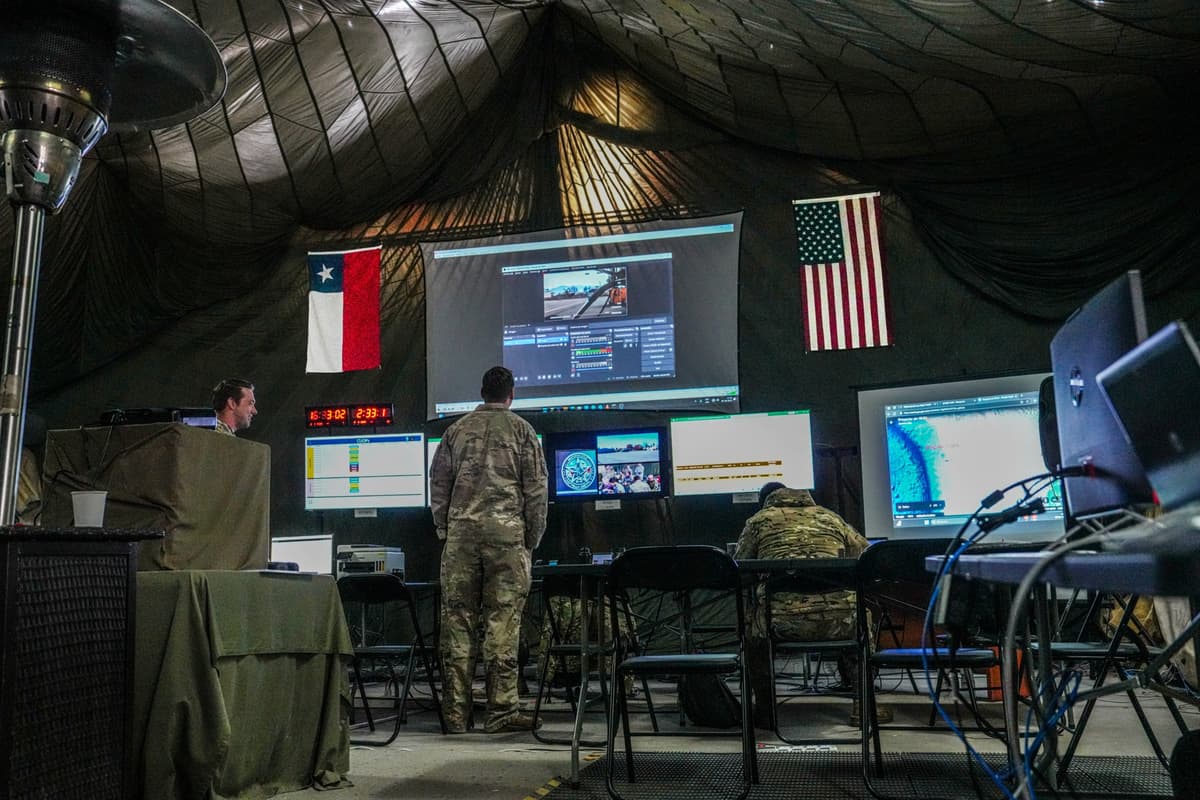
U.S. Space Command to Bring Commercial Firms Into Classified Wargame on Nuclear Threats in Space
•January 28, 2026
0
Why It Matters
The move signals deepening civil‑military collaboration as the United States confronts emerging strategic risks from space‑based nuclear weapons, shaping future defense policy and commercial market dynamics.
Key Takeaways
- •First classified wargame includes commercial space companies.
- •Focus on nuclear weapons deployment in orbit scenario.
- •Exercises start March, repeat quarterly with select partners.
- •Addresses potential Russian space‑based nuclear anti‑satellite capability.
- •Reinforces reliance of U.S. defense on private space assets.
Pulse Analysis
The decision to embed commercial players in a classified Space Command wargame reflects a broader shift toward public‑private synergy in national security. Over the past decade, the Department of Defense has increasingly depended on satellite constellations, launch services, and ground‑segment technologies supplied by firms such as SpaceX, OneWeb, and Maxar. By inviting these operators into the planning room, Space Command can tap real‑time data, operational insights, and rapid‑response capabilities that are difficult to replicate within a purely governmental framework. This integration also offers companies a clearer view of emerging threat models, potentially guiding future investment in resilient architectures.
Strategically, the focus on nuclear weapons in space underscores a growing anxiety about a new arms race beyond Earth’s atmosphere. While the 1967 Outer Space Treaty bans the placement of nuclear warheads in orbit, it does not prohibit anti‑satellite weapons or other kinetic and electronic counter‑space tools. Intelligence reports suggest Russia may be developing a space‑based nuclear anti‑satellite system, which could generate intense radiation belts and electromagnetic pulses capable of crippling low‑Earth‑orbit assets. A high‑altitude detonation would not only threaten military satellites but also disrupt commercial communications, navigation, and Earth‑observation services, creating cascading economic fallout.
For the commercial sector, participation in these wargames offers both risk mitigation and market opportunity. Companies can align product roadmaps with defense priorities, such as hardened satellite designs, rapid‑reconstitution constellations, and on‑orbit servicing capabilities. Moreover, the visibility of a coordinated response plan may reassure investors and customers about the resilience of space‑based services. Policymakers, meanwhile, gain a practical forum to test treaty compliance, develop escalation‑control measures, and shape future international norms governing the militarization of space. As quarterly exercises become routine, the partnership could set a precedent for broader collaborative security frameworks across the aerospace industry.
U.S. Space Command to bring commercial firms into classified wargame on nuclear threats in space
0
Comments
Want to join the conversation?
Loading comments...