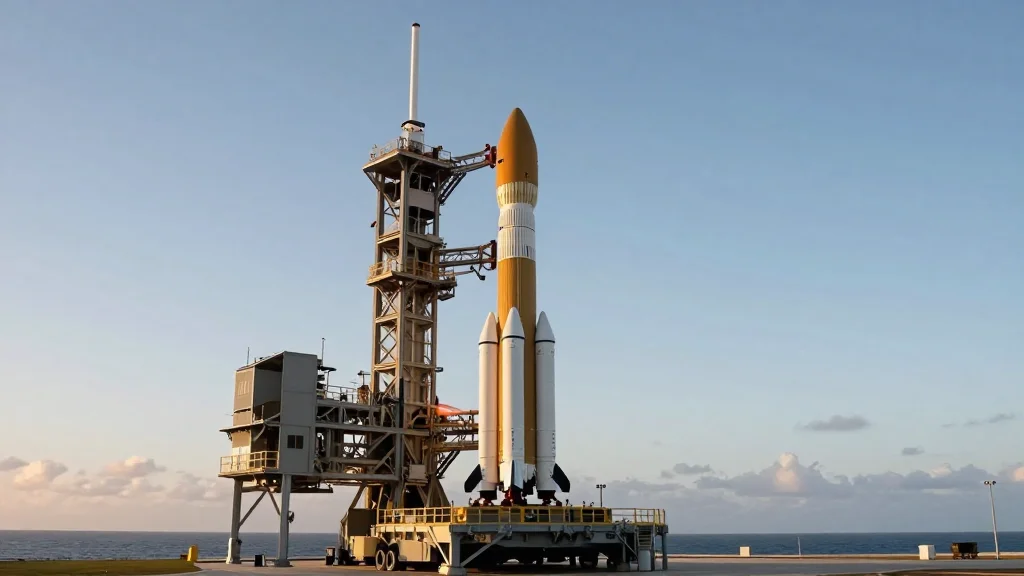
U.S. Space Force Aims for 1,200 Launches a Year by 2036, Boosting Space‑Control Infrastructure

Why It Matters
The Space Force’s launch surge ambition reshapes the strategic calculus of space dominance. By targeting a launch rate that eclipses current U.S. activity, the service aims to ensure rapid deployment of defensive and offensive space assets, reducing vulnerability to anti‑satellite threats. The initiative also pressures commercial launch providers to further scale infrastructure, potentially driving down costs and spurring innovation across the sector. Beyond military considerations, the plan could have ripple effects on the civilian space economy. A more robust launch ecosystem at Cape Canaveral may attract additional private investment, create jobs, and reinforce the United States’ position as the world’s premier launch hub. However, the scale of the expansion raises questions about environmental impact, range congestion, and the ability of regulatory bodies to keep pace with accelerated operations.
Key Takeaways
- •U.S. Space Force targets ~1,200 annual launches at Cape Canaveral by 2036.
- •Goal tied to a record‑high FY‑27 budget request, the largest in the service’s history.
- •Three priority areas: space control, launch infrastructure, and test‑and‑training resources.
- •Launch surge aims to bolster rapid satellite replenishment and contested‑orbit capabilities.
- •Success depends on congressional approval, infrastructure upgrades, and coordination with commercial launch providers.
Pulse Analysis
The Space Force’s launch surge plan marks a decisive shift from a modest, mission‑specific launch schedule to a high‑tempo, capacity‑driven model. Historically, U.S. military launches have been a fraction of the total launch volume, relying heavily on commercial partners for lift. By committing to 1,200 launches per year, the service is effectively internalizing a significant share of that market, which could alter the economics of launch services. Private providers may see a stable, high‑volume customer in the Space Force, encouraging them to invest in reusable systems and larger payload capacities.
From a strategic perspective, the emphasis on space control reflects a broader doctrinal evolution toward contested space operations. A dense constellation of U.S. satellites, launched at unprecedented rates, would provide redundancy and resilience against adversary attacks. Yet the plan also introduces risk: scaling launch infrastructure quickly could outpace safety protocols, leading to increased accident potential. The Space Force will need to balance speed with rigorous testing, especially as it integrates new range technologies.
Looking ahead, the 2036 target serves as both a rallying point and a deadline for policymakers. If the budget request clears Congress and the infrastructure upgrades stay on schedule, the United States could achieve a launch capacity that dwarfs any competitor, cementing its strategic advantage. Conversely, delays or funding shortfalls could expose a capability gap, inviting rivals to close the launch gap with their own rapid‑deployment programs. The next fiscal cycle will be a litmus test for the political will to back this ambitious vision.
U.S. Space Force Aims for 1,200 Launches a Year by 2036, Boosting Space‑Control Infrastructure
Comments
Want to join the conversation?
Loading comments...