Voyager to Acquire Lunar Lander Developer Astrobotic
Why It Matters
The transaction gives Voyager immediate access to proven lunar‑landing technology and power‑distribution systems, accelerating U.S. commercial capabilities for a sustainable Moon presence. It also consolidates critical assets under one roof, strengthening competition against other space firms vying for Artemis contracts.
Key Takeaways
- •Voyager pays $162M cash and stock for Astrobotic.
- •Deal includes up to $129M earn‑out tied to milestones.
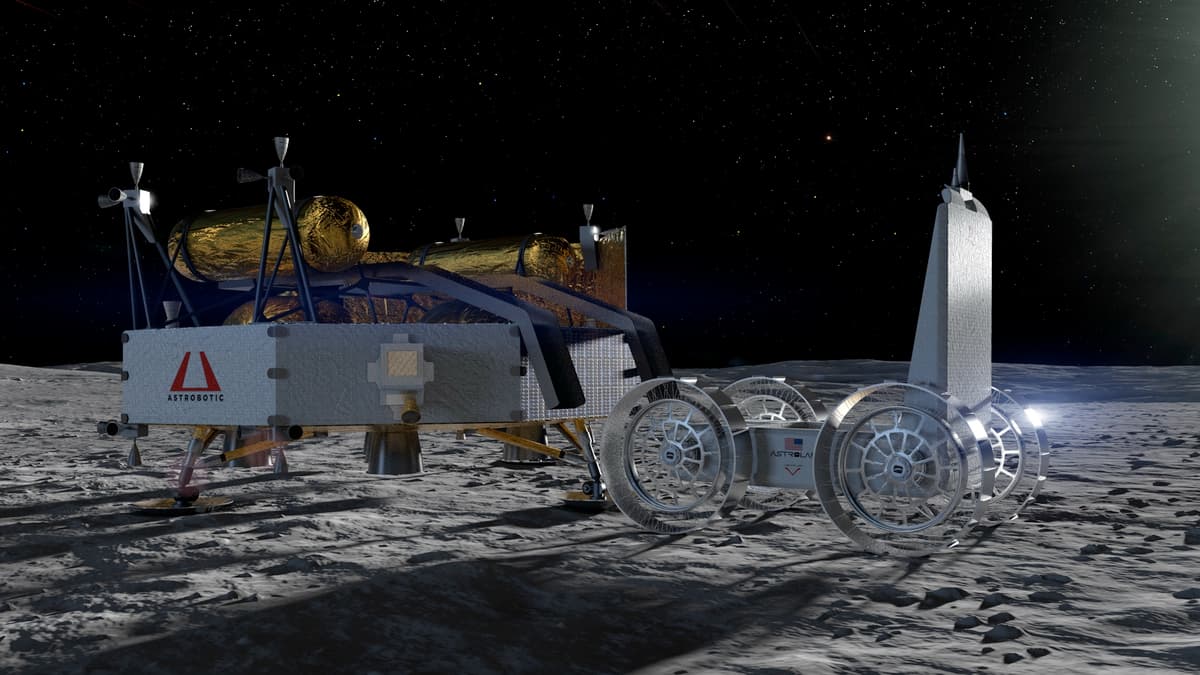
- •Astrobotic’s Griffin lander slated for “Moon Base 2” mission.
- •Acquisition expands Voyager’s lunar infrastructure capabilities.
- •Astrobotic will keep Pittsburgh operations and suborbital programs.
Pulse Analysis
The commercial lunar market is entering a pivotal phase as NASA’s Artemis program seeks private partners to build a sustainable presence on the Moon. Voyager Technologies, a venture-backed player focused on lunar habitats and logistics, has moved to secure its position by acquiring Astrobotic, a veteran developer of lunar landers and power‑distribution systems. By integrating Astrobotic’s assets, Voyager can offer a complete service stack—from launch and suborbital transport to surface power and habitat modules—making it a one‑stop shop for NASA and other customers seeking CLPS contracts.
Astrobotic’s technical portfolio complements Voyager’s strategic goals. After a high‑profile propulsion glitch on the Peregrine lander, the company rebounded with the Griffin vehicle, now earmarked for the “Moon Base 2” mission that will carry Astrolab’s FLIP rover. Beyond landers, Astrobotic is advancing LunaGrid, a modular lunar power network, and reusable suborbital rockets derived from Masten Space Systems technology. Retaining its Pittsburgh team ensures continuity of these programs, while Voyager’s capital infusion is expected to accelerate development timelines and scale production capabilities.
Industry analysts view the deal as a catalyst for U.S. leadership in lunar commerce. Consolidating lander, power, and suborbital expertise under Voyager reduces fragmentation and may lower costs for future missions, pressuring rivals such as SpaceX, Blue Origin, and Firefly to deepen their own lunar offerings. As NASA continues to fund CLPS missions, the combined entity is well‑positioned to capture a larger share of upcoming contracts, potentially shaping the architecture of the first permanent lunar base and influencing the broader trajectory of commercial space exploration.
Voyager to acquire lunar lander developer Astrobotic
Comments
Want to join the conversation?
Loading comments...