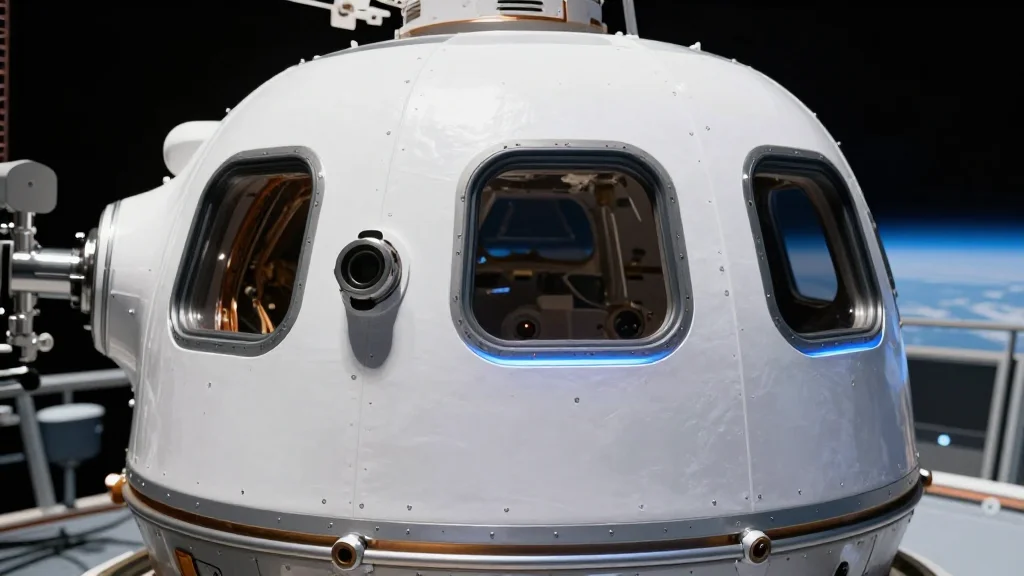
Voyager Wins Slot to Fly Tourist Mission to ISS in 2028
Companies Mentioned


Why It Matters
The award validates Voyager’s role in the emerging commercial low‑Earth‑orbit market and accelerates private access to the ISS, signaling growing investor confidence in U.S. space‑habitat ventures.
Key Takeaways
- •Voyager awarded 2028 ISS tourist slot, mission named VOYG-1.
- •VOYG-1 could stay up to 14 days aboard ISS.
- •Starlab consortium leads with NASA‑approved design, funded $600M total.
- •Axiom, Vast, and Voyager now have confirmed ISS tourist missions.
- •Orbital Reef appears stalled; Max Space still early‑stage.
Pulse Analysis
The NASA selection of Voyager Technologies for a 2028 tourist flight underscores a shift from government‑only access toward a hybrid model where private operators complement national space agencies. By granting a slot for VOYG-1, NASA not only diversifies its launch schedule but also leverages commercial expertise in crew training, safety protocols, and mission integration. This move aligns with the agency’s broader strategy to stimulate a low‑Earth‑orbit economy, where private stations, cargo services, and tourism coexist alongside scientific research.
Within the United States, the commercial space‑station race is tightening. Axiom Space, with four successful ISS tourist flights and a $450 million capital raise, is targeting a 2028 module launch. Vast’s Haven‑1 demo, slated for 2027, already boasts multinational interest and over $1 billion in funding. Voyager’s Starlab consortium, backed by $383 million public offering and $217.5 million NASA investment, aims to launch a single‑module habitat on SpaceX’s Starship. The convergence of these three players—each now holding a confirmed ISS tourism slot—creates a competitive yet collaborative ecosystem that could drive down costs and expand flight opportunities.
The market implications are significant. Investors are seeing tangible pathways to revenue, as tourist seats command premium prices and station‑hosting contracts promise steady cash flow. Meanwhile, stalled projects like Orbital Reef highlight the risks of over‑extension and reliance on unproven hardware. As private stations mature, they will likely serve as gateways for research, manufacturing, and even lunar‑orbit logistics, reshaping the economics of space. The 2028 VOYG-1 mission therefore represents not just a single flight, but a milestone in the commercialization of orbital infrastructure.
Voyager wins slot to fly tourist mission to ISS in 2028
Comments
Want to join the conversation?
Loading comments...