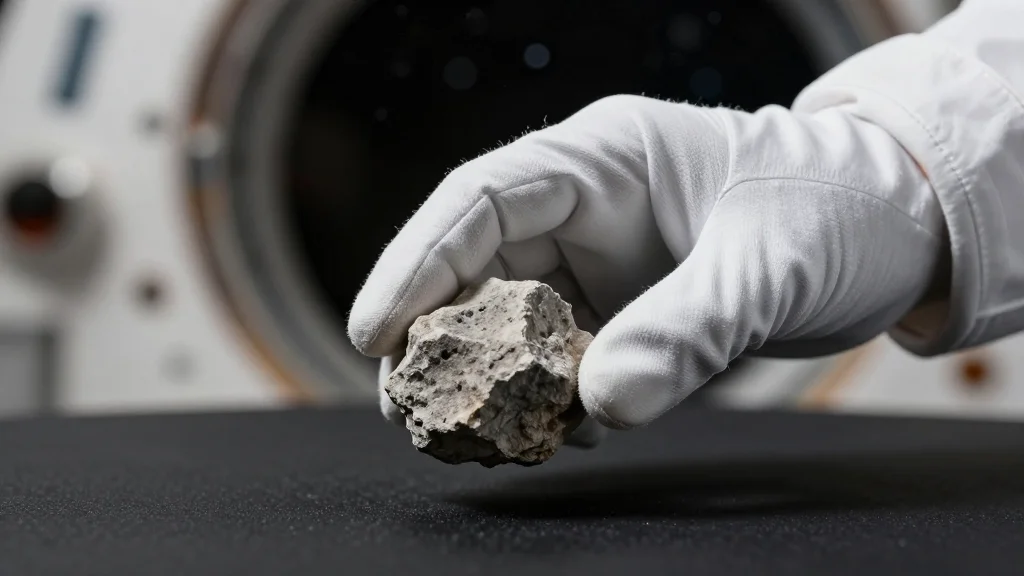
What Scientists Hope to Learn From Artemis II's Moon Mission
Why It Matters
By validating critical systems and gathering unique scientific data, Artemis II de‑risks the next human return to the lunar surface and accelerates the development of a sustainable lunar economy.
Key Takeaways
- •Artemis II tests lunar communication protocols.
- •Mission targets Moon’s south‑pole region.
- •Human observation can spot features cameras miss.
- •Data will guide Artemis III landing in 2028.
- •Ice in polar craters holds 4‑billion‑year record.
Pulse Analysis
The Artemis II mission, scheduled for launch later this year, marks NASA’s first crewed test flight beyond low‑Earth orbit since the Apollo era. While the spacecraft will not land, it will orbit the Moon, giving astronauts a unique vantage point to validate life‑support, navigation, and deep‑space communication systems. Scientists like Professor Paul Hayne emphasize that human eyes can notice subtle surface anomalies that cameras may overlook, a capability that proved valuable during Apollo. This flight therefore serves as a critical rehearsal for the more ambitious Artemis III landing, and the crew will also capture high‑resolution video for public outreach.
The mission’s scientific focus shifts toward the Moon’s south‑pole, a region never visited by Apollo crews. Permanently shadowed craters there trap water ice, which preserves a 4‑billion‑year record of meteoritic impacts and solar‑wind particles. By mapping ice deposits and sampling regolith, Artemis II will provide baseline data that informs where future landers can extract resources for life‑support and propellant. Hayne notes that this “new world” of extreme cold and darkness challenges existing hardware, prompting engineers to refine thermal protection and autonomous navigation for the upcoming 2028 landing. These observations will calibrate orbital instruments for future mapping missions.
Beyond pure science, Artemis II’s operational lessons are shaping the commercial lunar economy. Real‑time astronaut‑ground communication protocols tested on this flight will become the template for private‑sector missions that aim to mine ice or build habitats. Successful validation of life‑support loops and radiation shielding also reduces risk for investors financing lunar infrastructure. As the United States positions itself as the leader of a sustainable lunar presence, the data from Artemis II will accelerate partnerships between NASA, industry, and academia. The resulting roadmap is expected to guide policy decisions through the 2030s.
What scientists hope to learn from Artemis II's moon mission
Comments
Want to join the conversation?
Loading comments...